Education Minister Choi Kyo-jin: "We Will Actively Support Regional Private Universities So They Are Not Left Behind"
- Input
- 2026-09-03 21:28:15
- Updated
- 2026-09-03 21:28:15
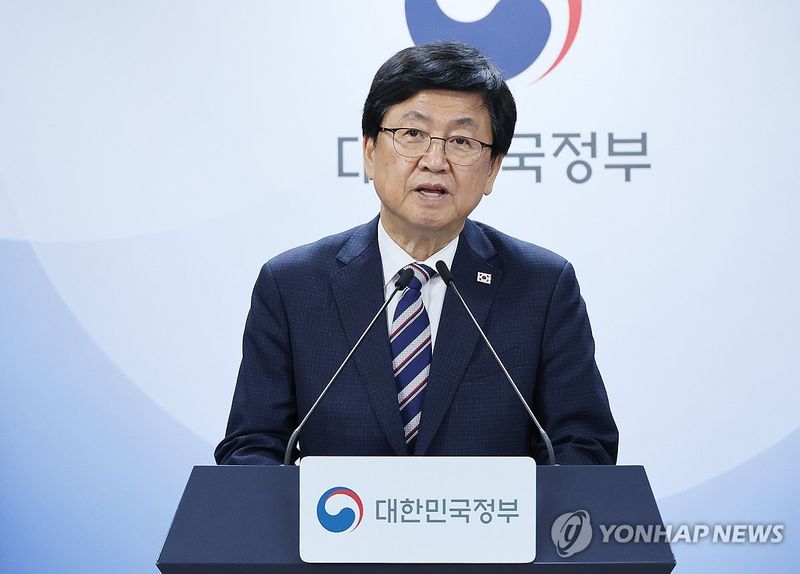
In an interview with Yonhap News TV that day, Minister Choi emphasized, "We will actively improve the educational conditions at private universities so they can respond to the needs of regional industries and changes in the era of Artificial Intelligence (AI)."
He explained that the government plans to invest KRW 1.3 trillion next year in five new projects targeting regional private universities, including a science and engineering infrastructure development project worth KRW 600 billion.
The remarks were seen as an explanation of the private universities' strong backlash against the policies announced recently by the government as part of Creating 10 Seoul National Universities. The policies provide free tuition for new students at regional national universities and concentrated support for flagship national universities. Private universities have called the measures "unfair and unconstitutional."
Regarding the package of support for flagship national universities, Minister Choi explained, "The policy is intended to concentrate support on flagship national universities, strengthen their educational and research capabilities, and establish them as central pillars of balanced national growth. All three universities will expand contract-based departments and industry-linked programs that can lead directly to employment after graduation."
Regarding the proposed reform of the local education finance grant system, which has drawn opposition from provincial and metropolitan education superintendents and teachers' organizations, he dismissed concerns as a misunderstanding, saying that the size of the grants will continue to increase in line with inflation and economic conditions. He added, "According to government estimates, the grants are expected to rise steadily from KRW 72 trillion in this year's initial budget to KRW 79 trillion next year and KRW 93 trillion in 2030."
Regarding the proposal to introduce short-answer and essay-based assessments in the College Scholastic Ability Test (CSAT), he said, "Everyone would agree that assessments that genuinely develop critical thinking and problem-solving skills are essential in the AI era. However, directly introducing them into university admissions is an issue involving highly conflicting interests." He explained that the National Education Commission would take the lead in gathering views from the field in depth.
[email protected] Min-kyung Jeon Reporter