Jeju Turns to the Transit Market to Make Up for Limited Direct Flights, Targeting Singapore Changi, Hong Kong and Shanghai
- Input
- 2026-09-03 16:17:56
- Updated
- 2026-09-03 16:17:56
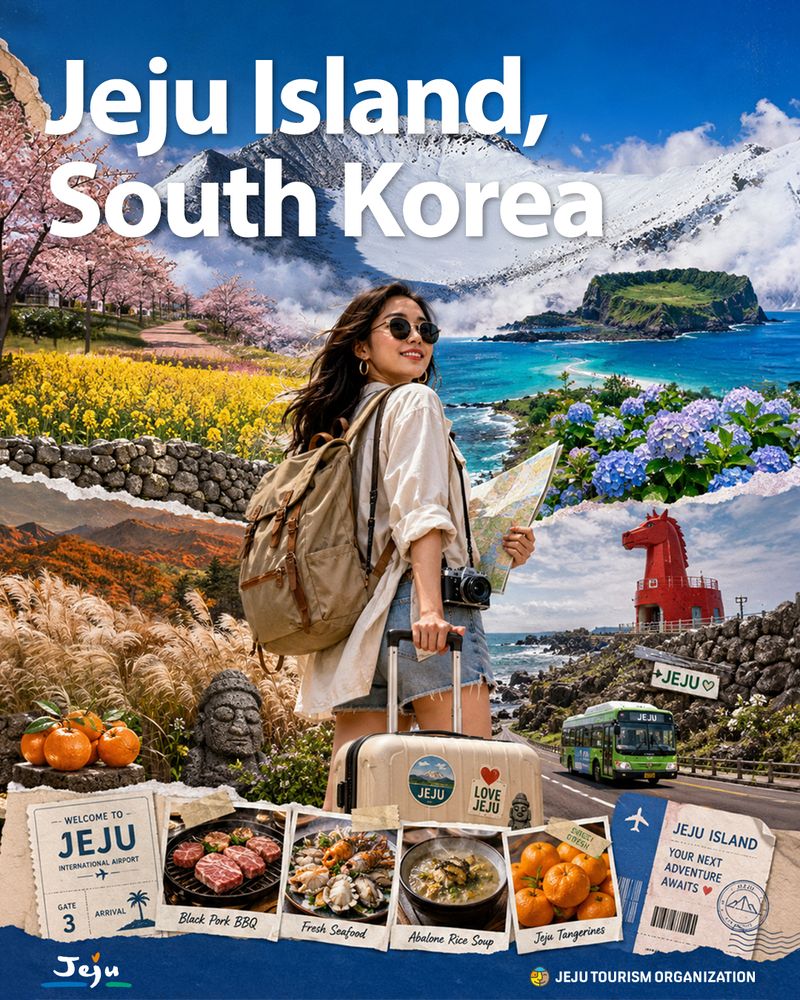
【Financial News Jeju = Reporter Jeong Yong-bok】 Jeju is expanding its strategy for attracting international visitors beyond increasing direct routes to include the transit market through global hub airports. It aims to draw transit passengers at Singapore Changi Airport to Jeju and sell packages for travelers from the Philippines, where direct-flight capacity is limited, to enter Jeju via Hong Kong and Shanghai.
According to Jeju Special Self-Governing Province and the Jeju Tourism Organization on the 3rd, the two organizations will expand marketing that connects major overseas hub airports with the global travel industry. The effort is intended to diversify a visitor-attraction structure that has relied on specific countries and direct routes.
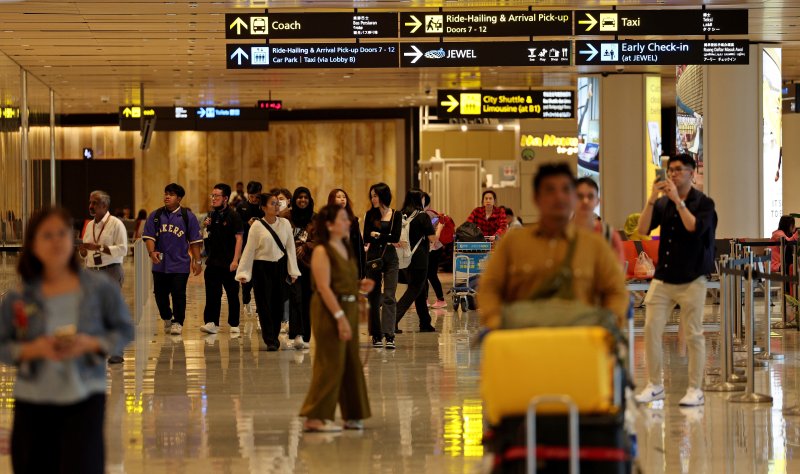
Singapore Changi Airport is the first target. From the 24th through October 21, Jeju Special Self-Governing Province and the Jeju Tourism Organization will promote Jeju tourism using 36 advertising panels in the departure and arrival halls of Terminal 1 at Singapore Changi Airport.
The advertisements will feature the message, "Your Next Stop: JEJU," showcasing Jeju’s nature, food and culture. The goal is to attract not only travelers from Singapore but also transit passengers traveling between Europe, the Americas and Asia.
The key objective is to create a channel for attracting travelers even from cities without direct flights to Jeju.
As an island, Jeju’s ability to attract international visitors is highly sensitive to changes in air routes. The number of visitors from a particular country can rise quickly when a new direct route opens, but demand falls immediately when flights are suspended or reduced. Securing a stable supply of transit packages could partly reduce fluctuations caused by the availability of direct routes.
In the Philippine market, the initiative has already moved to the sales stage. Jeju Special Self-Governing Province and the Jeju Tourism Organization, together with local travel agency Rakso Travel, launched tourism packages late last month that take visitors to Jeju via Hong Kong on Cathay Pacific Airways or via Shanghai on China Eastern Airlines.
Only around 10 charter flights operate annually between the Philippines and Jeju, limiting the periods when travelers can visit by direct flight. The transit packages via Hong Kong and Shanghai are an attempt to expand access so that Jeju travel products can be sold even outside the charter-flight operating periods.
Alongside increasing visitor numbers, Jeju is adopting a new standard for overseas marketing: "who visits, how long they stay and how much they spend."
Jeju Special Self-Governing Province is working with the Korea Tourism Organization (KTO) to invite representatives of Virtuoso, a global luxury travel network, and high-end travel specialists to Jeju.
Ten people are expected to participate in the familiarization tour from the 7th through the 9th in a two-night, three-day itinerary. The plan is to showcase experiences available only in Jeju—including the Culture of Jeju Haenyeo (Women Divers), a tea experience and a guided interpretation of the Gotjawal forest—and then develop travel products targeting high-income travelers overseas.
Jeju’s shift in tourism policy toward transit passengers and high-value visitors reflects structural changes in the tourism industry.
Wi Seong-gon, governor of Jeju Province, also agreed during a policy question session at the Jeju Special Self-Governing Provincial Council that Jeju tourism is highly sensitive to changes in the external environment. He said the industry must shift from a focus on attracting visitors to one centered on longer stays and experiences.
The idea is to move away from tourism as a form of "seeing" attractions, as it was in the past, toward travel in which visitors directly experience food, nature, culture and local life while staying longer.
Developing the transit market is also connected to this shift. Rather than relying solely on attracting group tourists on direct flights, Jeju can diversify market risks by combining international routes operated by multiple airlines to connect individual and high-value travelers with the island.
However, for transit packages to lead to genuine market diversification, Jeju must offer content and pricing competitive enough to offset disadvantages compared with direct flights, including travel time, fares and baggage handling. For the Changi Airport campaign, the key measure of success will be how many viewers actually search for and book trips to Jeju, rather than mere exposure.
Jeju Special Self-Governing Province and the Jeju Tourism Organization plan to expand their target countries and distribution networks based on sales of the Philippine transit packages, the impact of the Changi Airport campaign and product-development progress following the luxury familiarization tour.
Hwang Gyeong-seon, director of Jeju’s Tourism Exchange Bureau, said, "The key is to attract high-value tourists and connect their visits to longer stays and increased spending at local businesses. We will strengthen our marketing by actively leveraging overseas networks so that tangible benefits reach small business owners and the tourism industry in Jeju."
[email protected] Reporter Jeong Yong-bok Reporter