Middle East Crude Approaches $100 a Barrel as Asian Countries Increase Imports
- Input
- 2026-09-03 16:19:12
- Updated
- 2026-09-03 16:19:12
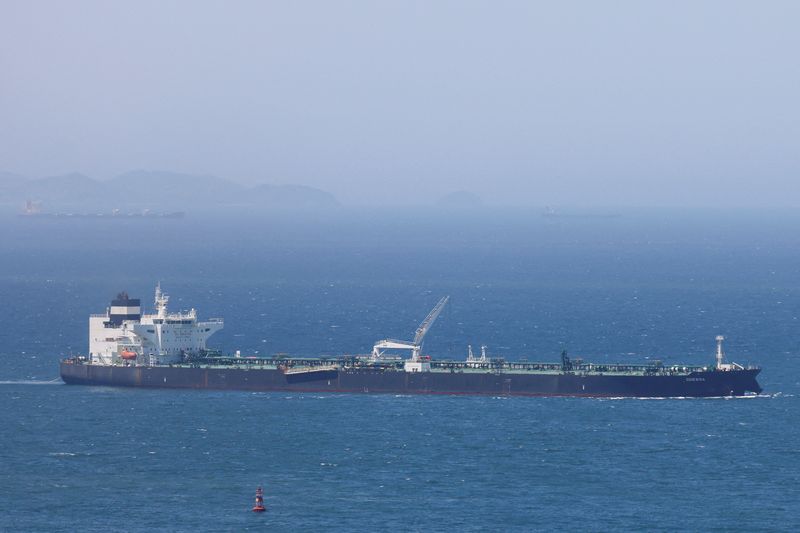
[Financial News] International oil prices have surged as buying interest in Middle East crude grows among Asian countries, including China and India.
Oilprice.com reported on the 3rd (local time) that Dubai crude futures had climbed close to $100 a barrel as demand from Asian refiners exploded, despite geopolitical tensions between the United States and Iran and supply disruptions in the Strait of Hormuz.
UAE Murban futures, a benchmark for high-sulfur crude from the Middle East, traded at $106.10 a barrel, while DME Oman futures stood at $99.18.
This contrasted with the previous day's decline in Brent crude from the North Sea and West Texas Intermediate crude (WTI) from the United States, despite the uncertain outlook for a military confrontation between the United States and Iran.
Foreign media reported that major refining countries such as Indonesia, India and China, along with refiners in South Korea and Japan, are stepping up efforts to secure Middle East crude. Demand from major refiners, including Indian Oil Corporation (IOC) and PetroChina, is particularly strong.
The strong demand is drawing attention because it comes as Saudi Arabia's crude exports have fallen to their lowest level since 2017 and daily traffic through the Strait of Hormuz, a key crude oil shipping route, has contracted to between 6 million and 8 million barrels. Data from vessel-tracking firms Kpler and Vortexa showed that some cargo loadings had been delayed from August to September or October, raising the possibility of a further price rally.
In response to rising prices for Middle East crude, Asian buyers are also accelerating efforts to diversify their imports. They are increasing purchases from other regions, including Brazil, Canada and Argentina, while China and India are also expanding imports of Russian crude.
Meanwhile, unlike the overheated Middle East crude market, Brent crude and WTI fell the previous day. The decline came as recent airstrikes appeared to enter a brief lull, even as reciprocal attacks between the United States and Iran continued. Oilprice.com analyzed that market participants appeared to expect the pause in the conflict to be extended for the time being, despite U.S. President Donald Trump's warning, "The attack last night was very powerful, and we are ready to carry it out again at any time if we want to."
Experts forecast that regional divergence in the crude oil market will continue for the time being as geopolitical uncertainty coincides with strong physical demand in Asia.
[email protected] Yoon Jae-jun Reporter