Hospitals Dumped Human Fat from Liposuction and Waste Blood into Toilets; Seoul Metropolitan Government Catches 25
- Input
- 2026-09-03 11:11:12
- Updated
- 2026-09-03 11:11:12
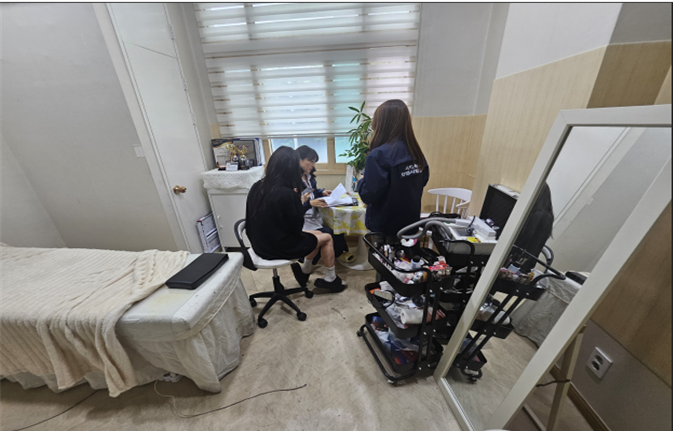
[Financial News] Twenty-five plastic surgery and dermatology clinics in Seoul were caught violating medical waste disposal standards, including dumping human fat and waste blood generated during liposuction and plastic surgery into sinks or toilet bowls. The Special Judicial Police Bureau for Citizens' Livelihood of the Seoul Metropolitan Government said on the 3rd that it selected 120 facilities for investigation by analyzing the Allbaro System, an electronic waste information processing system, and hospital websites. It conducted on-site inspections and follow-up investigations from January 2025 through July this year.
A total of 36 violations were confirmed at the 25 facilities. Two cases involved dumping human fat and waste blood generated during liposuction and other procedures into sinks or toilets, or disposing of medical waste together with ordinary garbage.
Violations of medical waste storage standards were the most common, accounting for 24 cases. Investigators found cases in which tissue waste was mixed with ordinary medical waste and stored at room temperature, as well as cases in which waste subject to 15- or 30-day storage limits was kept for three to six months or longer. Ten violations involved the use of dedicated containers, including reusing containers that had already been used and failing to record the year, month, and day when use began.
Medical waste must be managed separately because of the risk of infection and other hazards. In particular, tissue waste such as human fat must be placed in dedicated containers and stored in dedicated refrigerated facilities maintained at 4 degrees Celsius or below.
The Seoul Metropolitan Government booked 25 violators on criminal charges and referred all of them to prosecutors with a recommendation for indictment. Under the Waste Control Act, violations of waste disposal standards can result in up to two years in prison or a fine of up to 20 million won.
The Seoul Metropolitan Government plans to share the violations identified in the investigation with local district offices and promote education on medical waste and improvements to the management system. It will also continue investigating companies that collect and transport medical waste.
Lee Chang-seok, head of the Special Judicial Police Bureau for Citizens' Livelihood of the Seoul Metropolitan Government, said, "Because tissue waste can rapidly decompose at room temperature, increasing odors and the risk of infection, hospitals and clinics must strictly follow storage and disposal standards from the moment the waste is generated."
[email protected] Seong Cho-rong Reporter