[fn Person] "Chasing returns alone before retirement can lead to disaster... Even preserving the principal carries risks"
- Input
- 2026-09-03 13:48:35
- Updated
- 2026-09-03 13:48:35
[Financial News] "Retirement funds should neither fly too high nor too low."
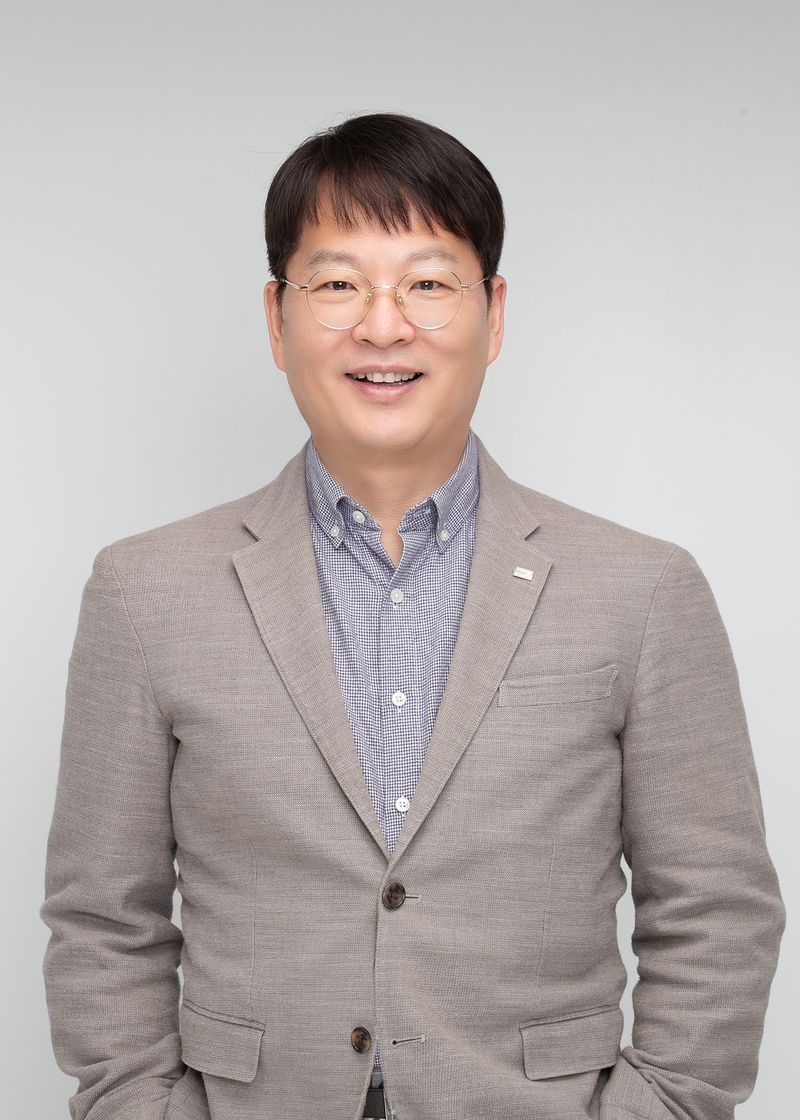
On the 3rd, Kim Dong-yeop, Managing Director of Mirae Asset Investment and Pension Center (picturelikened the asset management of people in their 50s and 60s approaching retirement to Icarus from Greek mythology. The point is that while chasing high returns and suffering large losses is dangerous, clinging solely to preserving the principal and earning returns below the inflation rate can also diminish the value of retirement funds.
Managing Director Kim said, "If people in their 50s with little time left until retirement manage their assets aggressively and encounter a sharp market downturn, they may not have enough time to recover. If they suffer large losses early in retirement, their retirement funds could be depleted faster than expected."
He emphasized, however, that putting all retirement funds into principal-guaranteed products is not the solution either. With life expectancy increasing and inflation eroding purchasing power over time, he explained, "Daedalus told Icarus not to fly too high, but at the same time, he said not to fly too low. The same applies to pension assets. Pursuing high returns without risk management is problematic, but one must also guard against the risk of earning returns below inflation by becoming fixated on preserving the principal."
Interest in stock investment is also rising in the retirement pension market. Managing Director Kim explained that as semiconductor stocks such as Samsung Electronics Co., Ltd. and SK hynix lead the stock market, retirement pension subscribers are also turning their attention to related products.
However, individual stocks such as Samsung Electronics Co., Ltd. and SK hynix cannot be purchased directly through defined-contribution (DC) retirement plans or individual retirement pensions (IRPs). Instead, investors can invest in semiconductor exchange-traded funds (ETFs) listed on the domestic stock market. Leveraged and inverse ETFs are excluded from eligible investments.
He said that whether ETFs or target-date funds (TDFs) are more advantageous in a retirement pension depends on the investor's circumstances. Managing Director Kim advised investors to first consider whether they can be satisfied with returns comparable to those of time deposits. If not, they should assess whether they have the time, experience, and ability to construct a portfolio directly using ETFs and rebalance it periodically.
He explained, "If you can manage your investments directly, you can use ETFs. If not, you can choose an asset-allocation fund such as a TDF. TDFs increase the proportion of stocks when there is still considerable time until the target date and reduce it as the target date approaches."
What Managing Director Kim particularly emphasizes in retirement planning is the 'income crevasse' between retirement and the receipt of the National Pension Service (NPS). "The reality for retirees is that their salary has ended, but their pension is still far off," he said. "When preparing for retirement, you must first plan how long the income gap will last and what you will rely on to get through that period."
He identified retirement pensions as the first asset that can be used. If retirement benefits are transferred to a pension account, they can be received as a pension after age 55 and used to cover the income gap before receiving the National Pension Service (NPS). From a tax perspective, receiving a pension may also be more advantageous than taking a lump sum. When retirement benefits are received as a pension, a rate equivalent to 70% of the retirement income tax applies through the 10th year of receipt, 60% from the 11th through the 20th year, and 50% from the 21st year onward. This can reduce the retirement income tax burden by 30% to 50% compared with taking a lump sum.
Managing Director Kim said, "Receiving severance pay as a pension provides not only a reduction in retirement income tax but also tax savings on investment returns. Retirees should also note that private pension income is currently not subject to health insurance premiums."
[email protected] Choi Doo-sun Reporter