KEPCO Proposes 25 Trillion Won Prepayment of Electricity Bills by Samsung Electronics and SK hynix to Fund Power-Grid Investments
- Input
- 2026-09-03 10:35:20
- Updated
- 2026-09-03 10:35:20
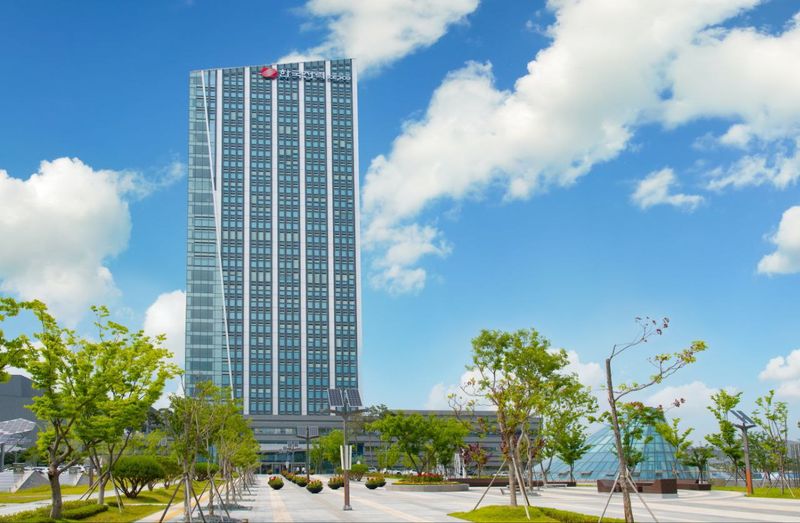
[Financial News] Korea Electric Power Corporation (KEPCO) has proposed introducing a large-scale electricity-bill prepayment program under which major electricity-consuming companies, including Samsung Electronics and SK hynix, would pay their future electricity bills in advance. The plan aims to secure funding for power-grid investments needed as electricity demand from advanced industries, such as semiconductors and artificial intelligence (AI) data centers, surges. It would provide an alternative to existing funding methods, including bond issuance and electricity-rate adjustments.
According to industry sources and KEPCO on the 3rd, KEPCO proposed that Samsung Electronics prepay 20 trillion won and SK hynix prepay 5 trillion won in electricity bills. The amounts were calculated based on the electricity bills the two companies paid last year—4.1 trillion won for Samsung Electronics and 900 billion won for SK hynix—for five years from 2027 through 2031.
KEPCO believes new funding sources are needed as demand for power-grid investments rises rapidly, particularly from advanced industries such as semiconductors and AI data centers. With massive amounts of money required to expand the grid, the company aims to secure new financing tools rather than relying solely on electricity-rate adjustments or the issuance of KEPCO bonds.
KEPCO also disclosed the direction and design principles for introducing the large-scale electricity-bill prepayment program at a National Assembly of the Republic of Korea discussion on the 2nd. KEPCO explained, however, that the proposal presented at the time was not a finalized system but rather a basic framework for introducing the program.
KEPCO believes the interests of the company and participating businesses could align if the plan becomes reality. KEPCO could use the advance payments to secure funding in advance for the construction of large-scale transmission and substation facilities. Semiconductor companies and other participants, meanwhile, could improve the prospects of having the power grid needed to operate new plants built on time while earning a certain return on the funds they paid in advance.
A KEPCO official said, "We are reviewing ways to provide participating companies with stable returns on their prepaid electricity bills comparable to those of risk-free assets." The official added, "Specific interest rates and payment methods will be determined after consultations with the companies."
[email protected] Lee Yu-beom Reporter