Was the Appointment of the 1,800-Trillion-Won Fund’s Chief Also Sidelined by the Cabinet Reshuffle? NPS CIO Faces a ‘Prolonged Vetting Process’ [fnMarketWatch]
- Input
- 2026-09-03 09:11:02
- Updated
- 2026-09-03 09:11:02
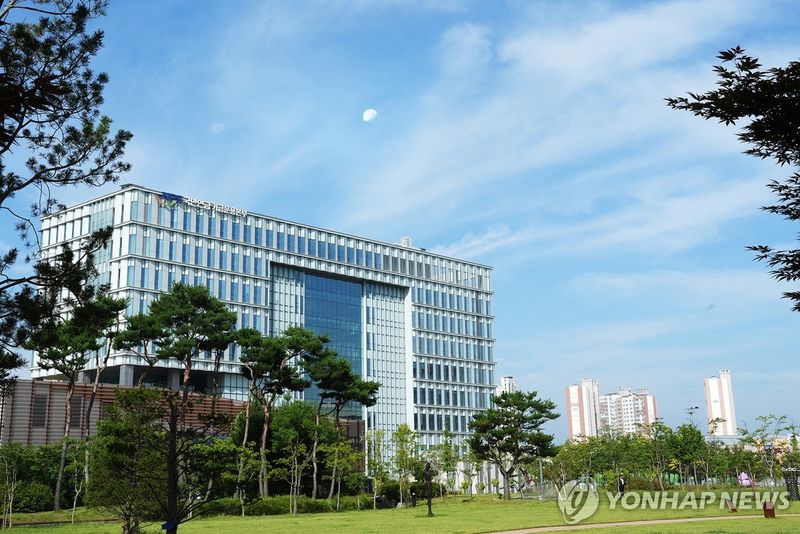
[Financial News] The appointment of the next Chief Investment Officer (CIO) of the National Pension Service (NPS), which manages more than 1,800 trillion won in assets, is taking longer than expected. More than a month has passed since the final candidate pool was narrowed to four and personnel vetting began, but no candidate has yet been selected. Some observers believe the delay may be linked to the recent cabinet reshuffle and the overlapping schedules for vetting senior officials. Industry insiders also emphasize that transparency and independence in the selection process matter more than speed.
According to investment banking (IB) industry sources on the 3rd, the four candidates for the next NPS CIO are Park Cheon-seok, former head of the fund management division at the Korean Federation of Community Credit Cooperatives; Lee Gyu-hong, former head of the Fund Management Office at Korea Teachers’ Pension; Lee Do-yoon, former head of the Asset Management Division at the Yellow Umbrella mutual aid fund; and Kim Ho-jin, former head of the Fund Management Headquarters at the National Federation of Fisheries Cooperatives. The candidates were reportedly placed on the shortlist after interviews on July 20 and submitted documents for personnel vetting by July 27.
The fact that four candidates made the shortlist is also considered unusual. In the past, the final candidate pool was typically narrowed to two or three people.
The NPS began an open recruitment process in June and has been conducting personnel vetting after reviewing applications and holding interviews. A final appointment was initially expected as early as late August or early September, but no decision has yet been reached.
Industry sources also view the concentration of government-level vetting schedules following the mid-sized cabinet reshuffle on the 30th of last month as a factor. However, it has not been confirmed whether the reshuffle directly affected the delay in appointing the CIO.
A senior IB industry official hinted, “People in the industry are saying that, following the appointment of the new policy chief, who serves as the economic control tower, the CIO may also be selected under the principle that ‘new wine is put into new wineskins.’”
Some argue that trust in the process is more important than the delay itself. NPS reserves surpassed 1,800 trillion won this year. As the CIO’s asset allocation and investment decisions have a growing impact on the market, expectations for expertise and independence have also risen. The NPS CIO is known as the “president of the capital market,” reflecting the significant influence the position has on the market.\u00a0
The recent appointment process for the Korea Investment Corporation (KIC) CIO is also being cited as a cautionary example. KIC opened an application process in May and narrowed the candidates to four, but allegations that a particular candidate had been selected in advance sparked controversy over fairness. The process ultimately failed to produce a final appointment, and KIC reopened recruitment on August 24.
As a result, transparent procedures have become even more important in appointing CIOs at public institutions. Observers say the NPS must also demonstrate that its selection is based on expertise and independence, while avoiding the impression that it is being influenced by political schedules or external factors.
A senior official in the pension fund industry stressed, “Even if it takes a little longer to appoint the NPS CIO, what matters is a process the market can accept. This position determines how 1,800 trillion won will be managed, and since the personnel vetting process has been prolonged, the NPS must ensure not only a transparent procedure but also that a suitably qualified expert is appointed.”
[email protected] Kim Kyung-ah Reporter