Are the Hangang River’s waters cleaner? Twenty-seven natural-monument Eurasian otters found, an 80% increase in four years
- Input
- 2026-09-03 08:44:46
- Updated
- 2026-09-03 08:44:46
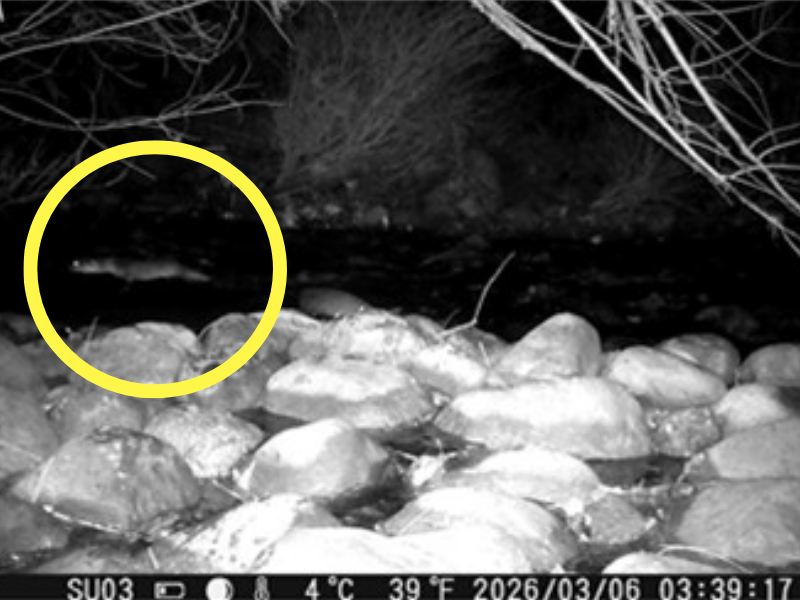
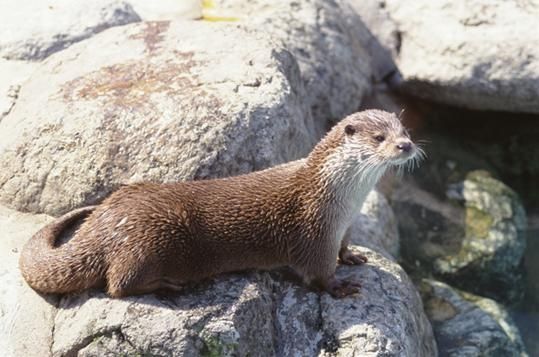
[Financial News] Twenty-seven Eurasian otters, classified as Class I endangered wildlife and designated natural monuments, have been identified in the Hangang River. That is an increase of approximately 80% from the 15 recorded four years ago.
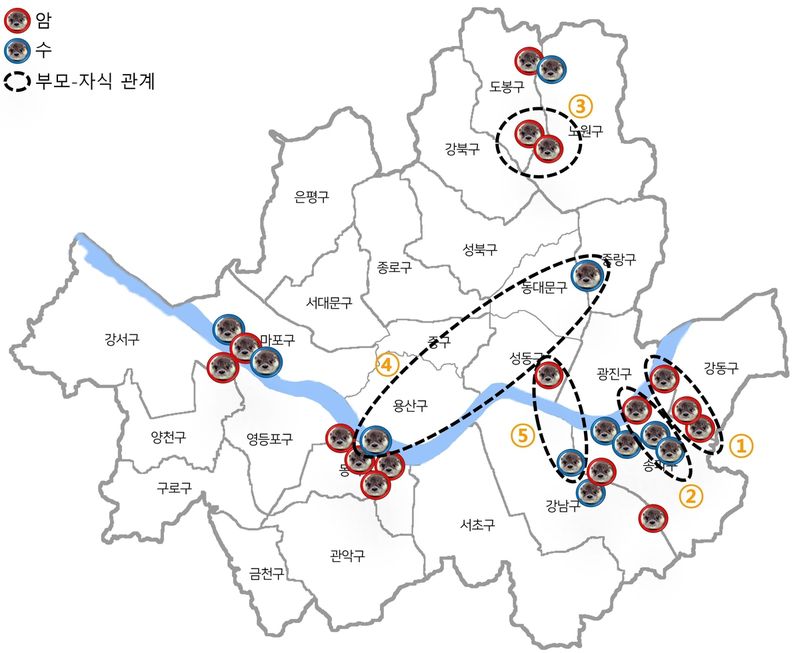
According to the National Institute of Biological Resources on the 3rd, researchers identified 27 Eurasian otters after analyzing the genetic material of 106 fecal samples collected from 27 locations along the main channel and tributaries of the Hangang River between January and April this year. Twenty-one otters were found in the main channel and six in tributaries.
The Eurasian otters were concentrated mainly in the eastern part of the Hangang River, including Seongnaecheon Stream and Jamsil Bridge. Seongnaecheon Stream had the largest number, with five otters, followed by Hangang Bridge with four. Three otters each were identified at Yangjaecheon Stream, Jamsil Bridge, and Jungnangcheon Stream.
There were 16 females and 11 males. All 27 were related by blood, including as siblings, and five families were identified based on parent-offspring relationships.
Eurasian otters were once commonly seen in rivers across the country, including the Hangang River. However, their population declined sharply because of overhunting for fur and water pollution.
In the Seoul section of the Hangang River, both banks were covered with concrete in the late 1960s as part of the Hangang Comprehensive Development Project. The construction of Paldang Dam in 1974 also severed aquatic ecosystems upstream and downstream. The otters then disappeared, with the discovery of a carcass near Olympic Bridge in 1986 marking the last known sighting.
Earlier, a video captured an Eurasian otter swimming in Tancheon, a tributary of the Hangang River, in March 2016. This prompted the Hangang River Basin Environmental Office to launch an investigation, and the following year, in January 2017, four otters from one family were filmed near Gwangjin Bridge.
Yoo Ho, director of the National Institute of Biological Resources, said, "The continued increase in the Eurasian otter population in the Hangang River is a positive sign that the ecosystem is recovering." He added, "We will continue our research, conservation, and management efforts so that people and wildlife can live together in good health."
[email protected] Reporter Seong Min-seo Reporter