Asian Games Team Send-off Ceremony... 1,052 Athletes to Compete in 41 Sports, a Record High
- Input
- 2026-09-03 08:00:00
- Updated
- 2026-09-03 08:00:00
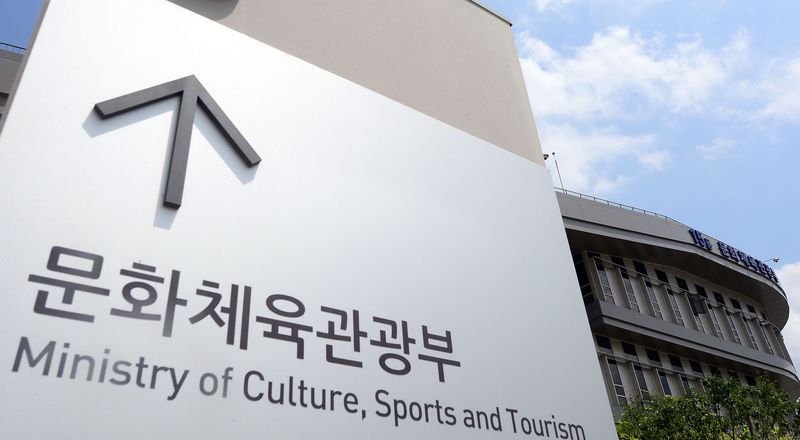
The Ministry of Culture, Sports and Tourism (MCST) and the Korean Sport & Olympic Committee (KSOC) will hold a send-off ceremony for the national team at 3 p.m. on the 3rd at the Velodrome in the Jincheon National Training Center in Jincheon-gun, North Chungcheong Province. Approximately 800 people will attend, including Minister of Culture, Sports and Tourism Choi Hwi-young, Korean Sport & Olympic Committee President Ryu Seung-min, Head of the Team Lee Sang-hyun, and athlete representatives Oh Sang-uk (fencing) and Yeo Seo-jeong (gymnastics). Following the ceremony, training on anti-doping and safety management will also be conducted.
The tournament will be held from the 19th to October 4th in Aichi Prefecture and Nagoya, Japan. Korea will compete in 41 of the 43 total events, excluding cricket and padel. New events such as e-sports and virtual taekwondo have also been included. The main delegation will depart on the 17th and return on October 5th.
At the previous Games, the 2022 Hangzhou Asian Games, Korea ranked third overall behind China and Japan with 42 gold, 59 silver, and 89 bronze medals. As the country is competing in the most events in history, there is also interest in how much it will expand the base of medal-winning sports.
The Ministry of Culture, Sports and Tourism (MCST) formed a joint preparation team headed by Second Vice Minister Kim Dae-hyun, comprising the Ministry of Foreign Affairs (MOFA), the Counter-Terrorism Center, the Ministry of Unification (MOU), and the Korea Disease Control and Prevention Agency (KDCA). Considering that the Athletes' Village will be operated in a dispersed manner across containers, cruise ships, and hotels, five regional situation rooms will be established and operated on-site. Crisis response manuals and sport-specific response guidelines in the event of officiating errors have also been prepared.
Support for athletic performance is also being provided. Since January of this year, through the 'Team Korea Care' project, customized training equipment and overseas training camps have been provided to 31 sports. At the Jincheon National Training Center Medical Center, a protocol to assist national team athletes in returning from injury has been established for the first time, and customized medical services for major body parts such as the hamstring are being provided.
Minister Choi expressed his hope that the athletes would showcase their skills without regret and finish the competition in good health, going beyond the color of the medal. He said, "If the public thinks, 'I want to try that too,' while watching national team athletes take on various challenges, that would be another valuable legacy of the Asian Games."
[email protected] Jang In-seo Reporter