Lutnick: “No Tariffs If Semiconductors Are Made in the U.S.; Otherwise, They Must Be Paid”
- Input
- 2026-09-03 02:59:44
- Updated
- 2026-09-03 02:59:44
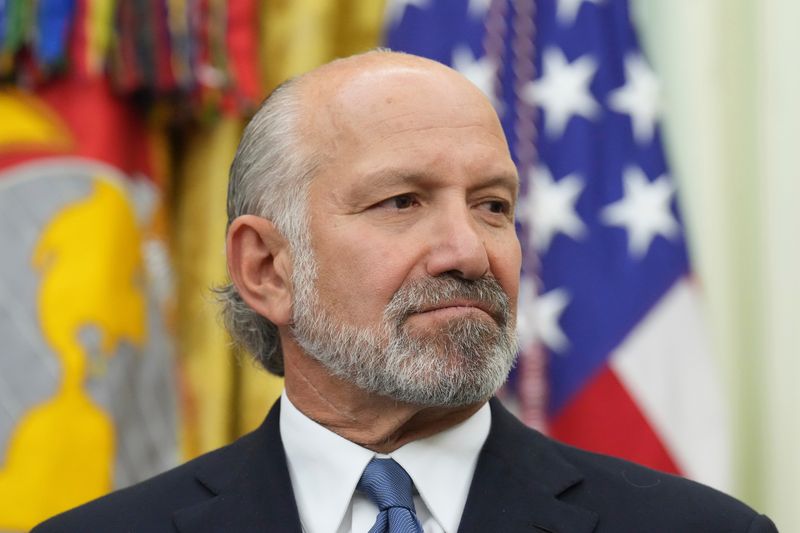
Howard Lutnick, the United States Secretary of Commerce, gave an interview to CNBC on the 2nd (local time) in Chapel Hill, North Carolina, where the Group of Twenty (G20) Innovation Ministers’ Meeting was held. He said, "What you will see going forward is a targeted and carefully designed tariff policy," adding, "If you produce in the United States, you will not pay tariffs. But if you do not produce in the United States, you should be prepared to pay tariffs to gain access to the world’s largest market."
Secretary Lutnick also confirmed that the Donald Trump administration is preparing a new semiconductor tariff system. "All companies know that tariffs are coming," he said, emphasizing, "We will succeed in semiconductors, and semiconductors will be produced in the United States."
The Wall Street Journal reported that companies pledging to produce in the United States could avoid the new tariffs, citing Secretary Lutnick’s remarks. Bloomberg also reported that the Donald Trump administration is highly likely to apply to the semiconductor industry a system linking investment in the United States to tariff reductions, as it has done in the pharmaceutical industry.
This suggests that the Donald Trump administration intends to use semiconductor tariffs not merely as trade barriers, but as leverage to attract investment in the United States from overseas semiconductor companies. Secretary Lutnick said that pledges of semiconductor investment in the United States had already reached $1.2 trillion, citing Taiwan Semiconductor Manufacturing Company Limited (TSMC) and Micron Technology as examples.
The scope of the tariffs could also expand. Reuters reported on the 27th of last month that the United States administration was considering imposing tariffs not only on semiconductors but also on finished products containing them, including laptops, game consoles, and data-center servers. Officials are also discussing linking tariff reductions to the scale of foreign companies’ semiconductor investments in the United States, granting a grace period before implementing the measures in stages.
If the new tariffs become a reality, the scale and timing of investment in the United States are expected to become key factors determining the tariff burdens of South Korean semiconductor companies, including Samsung Electronics and SK hynix, which are building large-scale production facilities in the country.
[email protected] Reporter Lee Byung-chul Reporter