As Europe’s Established Appliance Makers Falter, a $250 Billion Market Battle Intensifies [IFA Berlin 2026]
- Input
- 2026-09-03 17:30:00
- Updated
- 2026-09-03 17:30:00
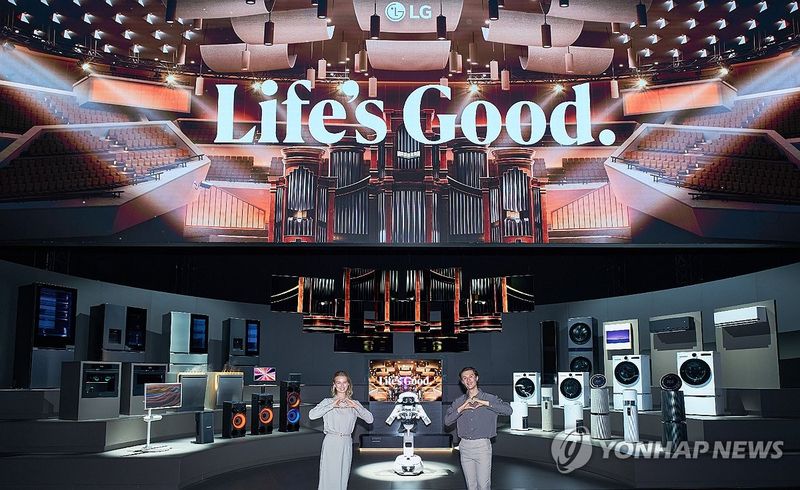
According to industry sources on the 3rd, Samsung Electronics and LG Electronics are taking different approaches to expanding their contact with European customers at this year’s IFA. Samsung Electronics has set up a separate venue at Humboldt Carré in central Berlin, outside Messe Berlin, the main IFA exhibition venue. It will showcase “AI Living,” which connects TVs, home appliances, and mobile devices. At Messe Berlin, Samsung will serve as the official main sponsor of the “Creator Hub.”LG Electronics has created actual living spaces—including a living room, kitchen, bedroom, and bathroom—at its large exhibition hall at Messe Berlin, allowing visitors to experience an AI home. ThinQ CLO, an autonomous AI agent being unveiled for the first time this year, is built into the AI-home hub LG ThinQ ON. It identifies users’ routines and circumstances, then proactively suggests and executes the functions they need. LG will also present a home energy management system (HEMS) that links AI appliances with heating, ventilation, and air-conditioning (HVAC) systems, solar power, and energy storage systems (ESS), using Homi, the smart-home platform of Athom, which LG acquired in 2024. The Fit & Max product line, designed for European customers who prioritize space and energy efficiency, will be expanded beyond refrigerators to washing machines, dryers, and dishwashers, all of which will be unveiled together for the first time.Although their exhibition formats differ, both companies are focusing on expanding business contacts with European customers. Samsung Electronics will hold business meetings with major retail and corporate customers at Humboldt Carré. LG Electronics has allocated approximately 46% of its total exhibition space to business-partner meeting areas—the largest such space in its history. The strategy is to expand business discussions with B2B customers, including local retailers, and turn IFA into tangible business results.■ Chinese Companies Target Openings as Europe’s Established Makers Falter
The shift in Europe’s home-appliance market is another reason Samsung Electronics and LG Electronics are working hard to win European customers. Europe’s home-appliance market is expected to be worth approximately $250 billion this year, making it the world’s second-largest market after North America. However, traditional European appliance makers have recently embarked on successive business restructurings amid rising costs and intensifying competition.
Sweden’s Electrolux is pursuing the restructuring of its production bases in Europe and South America, along with plans to cut approximately 3,000 jobs. Bosch & Siemens has also moved to close a key factory in Germany and implement additional layoffs, while Miele is carrying out a restructuring that will reduce its workforce by approximately 2,700. As costs such as energy and labor continue to rise, Europe’s established appliance makers are accelerating cost-cutting and business-efficiency measures.
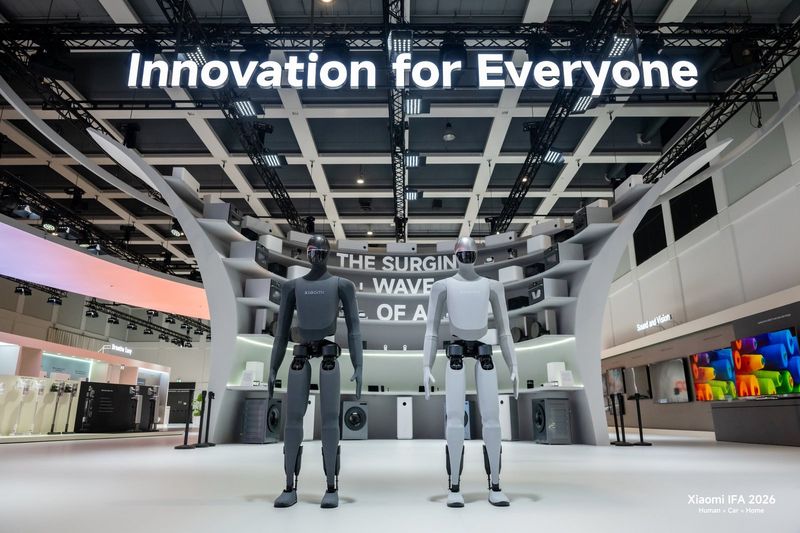
Chinese companies are quickly moving into the openings. As the position of Turkish companies such as Arçelik and Vestel—once strong in Europe’s low- to mid-priced and volume segments—has weakened, Chinese firms have expanded their influence through large-scale capital investment and aggressive marketing. Haier has broadened its local business base by acquiring Italian appliance maker Candy. Xiaomi is also participating in IFA for the first time this year, showcasing approximately 380 products—including smartphones, smart-home devices, electric vehicles, and humanoid robots—in an exhibition space spanning more than 3,300 square meters. The display highlights the growing stature of Chinese companies. An industry official assessed, "Competition in the European market is intensifying as Chinese companies’ price offensive is being compounded by competition in technology and ecosystems."
[email protected] Im Soo-bin Reporter