Homeplus Co-CEO Kim Kwang-il: “Cutting Labor and Fixed Costs by 45 Billion Won a Month” [fn Market Watch]
- Input
- 2026-09-02 16:37:27
- Updated
- 2026-09-02 16:37:27
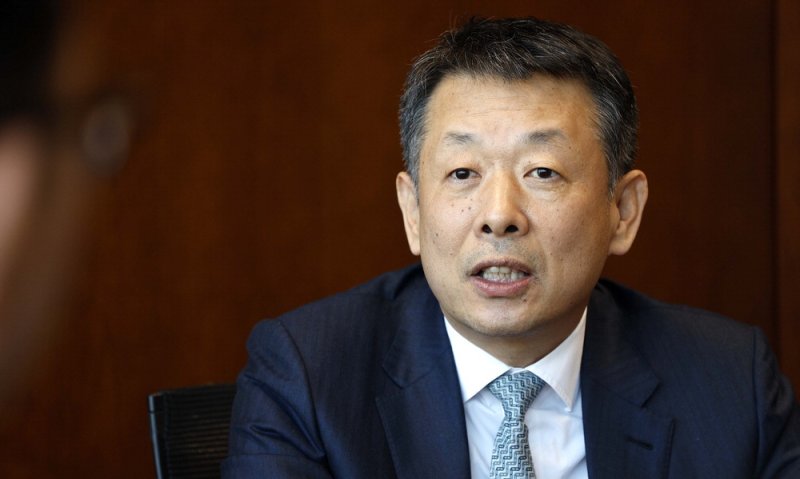
[Financial News] Kim Kwang-il, co-CEO of Homeplus and vice chairman of MBK Partners, said Homeplus has reduced its monthly labor and rental costs by more than 45 billion won combined.
The plan is to secure profitability by closing loss-making stores and restructuring the business around profitable locations. Homeplus also plans to immediately sell the real estate of closed stores and prioritize the proceeds for repaying creditors. If the rehabilitation plan is approved, it will pursue an M&A of the company itself.
According to the investment banking industry on the 2nd, Kim explained the key points of the rehabilitation plan and then bowed to creditors at a creditors’ meeting for Homeplus held that day in Courtroom No. 1 of the Seoul Bankruptcy Court.
He said, “I deeply apologize to the creditors who suffered significant losses during Homeplus’s rehabilitation process,” adding, “There have been many difficulties over the past year and a half.” At the end of his remarks, he emphasized, “Once again, I sincerely apologize.”
Kim distilled the submitted rehabilitation plan into two key points. The first is turning the loss-making business structure profitable.
He explained, “We have substantially reduced rent, labor costs and fixed costs by closing loss-making stores and reorganizing the business around profitable locations,” adding, “Labor costs have been cut by more than 20 billion won per month, while rent has been reduced by more than 25 billion won per month.” He stressed, “The goal is to secure profitability through these fixed-cost reductions and the closure of loss-making stores.”
The second pillar is the use of the company’s real estate holdings. Kim said, “We have closed a total of 54 stores, 19 of which are company-owned,” adding, “Since the stores will no longer be used after closing, we will sell them immediately.” He also noted that a substantial portion of the assets is tied up as trust-secured collateral, limiting the company’s ability to use the real estate freely. He added, “We will prioritize using the sale proceeds to repay creditors and help normalize the company,” and said, “Once the rehabilitation plan is approved, we will pursue both the sale of the real estate of closed stores and an M&A of the company itself.”
The pace of the real estate sales is another variable. The plan is structured so that proceeds from the sale of closed stores and company-owned stores will first be used to repay trust-secured claims.
If weak conditions in the hypermarket sector coincide with a slowdown in commercial real estate transactions, the sales schedule could be delayed. The buffer allowing repayment in installments through the third year could also be quickly exhausted. With the growth of offline hypermarkets stagnating as consumers move online, it remains to be seen whether restructuring around profitable stores will translate into actual profitability.
An investment banking industry official noted, “Reducing fixed costs by 45 billion won a month will clearly improve the profit-and-loss structure, but its impact will diminish if the decline in sales offsets the savings.” The official added, “Securing the consent of priority creditors, the ability to execute store sales, and whether an M&A is completed after approval will determine the success or failure of the rehabilitation.”
[email protected] Kang Gu-gwi Reporter