Homeplus Co-CEO Kim Kwang-il: “Card, Trade and Recourse Claims to Be Repaid in Installments from the Fifth Through the Tenth Plan Years” [fn Market Watch]
- Input
- 2026-09-02 16:30:46
- Updated
- 2026-09-02 16:30:46
[Financial News] Homeplus has submitted a rehabilitation plan under which 100% of the principal and pre-commencement interest on card, trade, recourse and damages claims will be repaid in installments from the fifth through the tenth plan years. Samil PricewaterhouseCoopers, the court-appointed examiner, determined that the plan meets the principle of guaranteeing liquidation value. However, it warned that a liquidity shortage could occur if consent is not secured from public-interest creditors for repayment in installments.
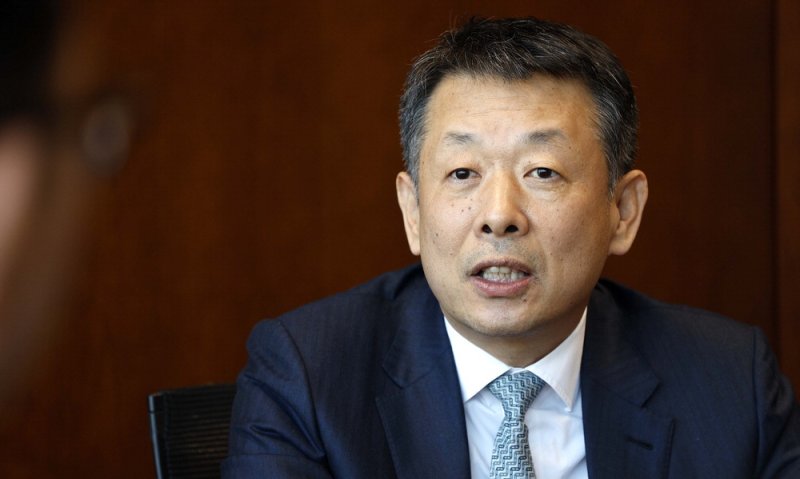
According to investment banking industry sources on the 2nd, at a meeting of interested parties held that day at the Seoul Bankruptcy Court, Kim Kwang-il, Homeplus’s co-CEO and vice chairman of MBK Partners, presented a plan with different repayment schedules and conditions depending on the nature of each claim.
The trust-secured claims of Meritz Securities, Meritz Fire & Marine Insurance and Meritz Capital will be repaid in full, including 100% of the principal and pre-commencement interest, within 10 days of the approval date. Senior- and subordinated-ranking trust-secured claims will also generally be repaid in the first plan year using proceeds from store sales, although repayment may be spread through the third plan year depending on the sales situation.
By contrast, 100% of the principal and pre-commencement interest on card, trade, recourse and damages claims will be repaid in installments from the fifth through the tenth plan years, while post-commencement interest will be waived. Shareholder rights will also be substantially adjusted, including the cancellation of existing common shares without compensation.
Samil PricewaterhouseCoopers determined that the plan was feasible, noting that its repayment rate exceeds the distribution amount in liquidation and that there were no unusual issues in the operating cash-flow projections, the planned sale of company-owned stores or the new borrowing plan.
The issue, however, is what would happen if public-interest creditors do not agree to installment repayment and demand payment in a lump sum. If the amount of claims held by dissenting creditors exceeds Homeplus’s cash on hand, a liquidity shortage could arise. Samil therefore made the consent of public-interest creditors a prerequisite for carrying out the plan.
Some creditors made requests at the actual meeting of interested parties. Emart asked that its Busan Sasang branch continue operating as a store, while Lotte Card conveyed requests for revisions from individual investors in short-term bonds.
Approval of the rehabilitation plan requires the consent of at least two-thirds of the voting rights held by rehabilitation creditors and at least three-quarters of those held by rehabilitation secured creditors. The fact that repayment of card-company claims will not begin until the fifth plan year, while post-commencement interest will also be waived, is viewed as a potential variable in the voting process.
Ultimately, the key to Homeplus’s rehabilitation lies in store sales and the consent of public-interest creditors. If store sales are delayed or public-interest creditors make concentrated demands for lump-sum repayment, the company’s ability to make the payments outlined in the plan could be undermined.
An investment banking industry official said, “Although the plan has cleared the requirement to guarantee liquidation value, whether Homeplus can secure actual cash through the consent of public-interest creditors and store sales will determine the success or failure of its rehabilitation.”
[email protected] Kang Gu-gwi Reporter