Tax Benefits for Self-Employed Business Owners Set to Shrink—Will the National Assembly Reverse the Plan? Opposition Signals Revisions
- Input
- 2026-09-02 16:19:00
- Updated
- 2026-09-02 16:19:00
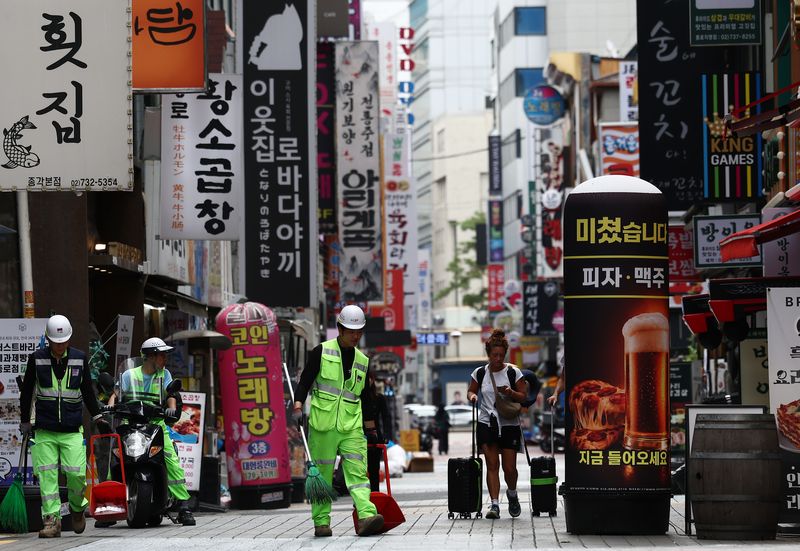
[Financial News] The government’s tax reform plan, approved at the State Council of South Korea on the 1st, is expected to increase the tax burden on self-employed business owners starting next year. The People Power Party protested, saying, "They claimed to stand with the vulnerable, but instead threw a tax bomb at them." The Democratic Party of Korea took a cautious stance, saying it would conduct a full review once the tax reform plan is reported to the National Assembly and the Tax Subcommittee of the National Assembly Planning and Finance Committee is formed. The government plans to strengthen fiscal support accordingly, but given the considerable backlash from self-employed business owners and small businesses, the possibility that the plan could be reversed during the National Assembly’s review cannot be ruled out.
According to political sources on the 2nd, the government approved the tax reform plan at the State Council of South Korea on the 1st. It lowered the preferential credit rate for the value-added tax credit on credit-card sales from 1.3% to 1.2%. The preferential deduction cap, previously set at 10 million won, was reduced to 5 million won because the extension of the existing cap was not included. The benefit applies to individual business owners in consumer-facing industries whose total supply value in the previous year was 1 billion won or less.
The 20% liquor-tax reduction for draft beer in containers of 8 liters or more, which has been in effect since 2020, will also end this year. The tax reform plan does not include an extension of the temporary liquor-tax reduction for draft beer. As a result, some analyses suggest that the price of draft beer could rise by as much as 1,000 won per 500cc glass. The Korea Federation of Micro Enterprises (KFME) has expressed concern that this could increase the burden on self-employed business owners.
The government’s tax reform plan still requires review by the National Assembly. Once the plan is submitted to the National Assembly on the 3rd, the National Assembly Planning and Finance Committee will begin a full review through the Tax Subcommittee in November. The plan could be revised during this process.
Some ruling-party members of the National Assembly Planning and Finance Committee acknowledged that the measures could increase the burden on self-employed business owners, but explained that no official review direction had been established. A Democratic Party of Korea lawmaker on the committee said, "We have not yet been able to discuss it internally," adding, "We will begin substantive discussions once the subcommittee is formed."
The government plans to continue supporting self-employed business owners by increasing fiscal spending instead of providing tax benefits. The budget proposal submitted by the government totals 821 trillion won, the largest ever. The Ministry of SMEs and Startups has also allocated funding to support self-employed business owners, including assistance with employment-insurance premiums. In line with this approach, the ruling party may review the plan in a way that ends existing temporary benefits while expanding fiscal support.
The opposition plans to revise the measures in the Tax Subcommittee, arguing that the burden on self-employed business owners must not be increased while the “three highs”—high interest rates, high prices, and a high exchange rate—persist.
The People Power Party estimates that more than 300,000 self-employed business owners would be directly affected if the tax benefits were reduced under the tax reform plan. The tax benefits provided to them are expected to decrease by approximately 750 billion won, or 2.5 million won per person. A People Power Party lawmaker on the National Assembly Planning and Finance Committee criticized the plan, saying, "Supporting small business owners through the tax system is much simpler, yet saying they will help through fiscal spending is a socialist idea," and added, "It means turning South Korea into Venezuela and enslaving its people."
[email protected] Lee Hae-ram Reporter