Is It the People Power Party’s Time? Hearings, Tax Reform, Budget and National Assembly Audit Put Its Political Leadership to the Test
- Input
- 2026-09-02 14:15:35
- Updated
- 2026-09-02 14:15:35
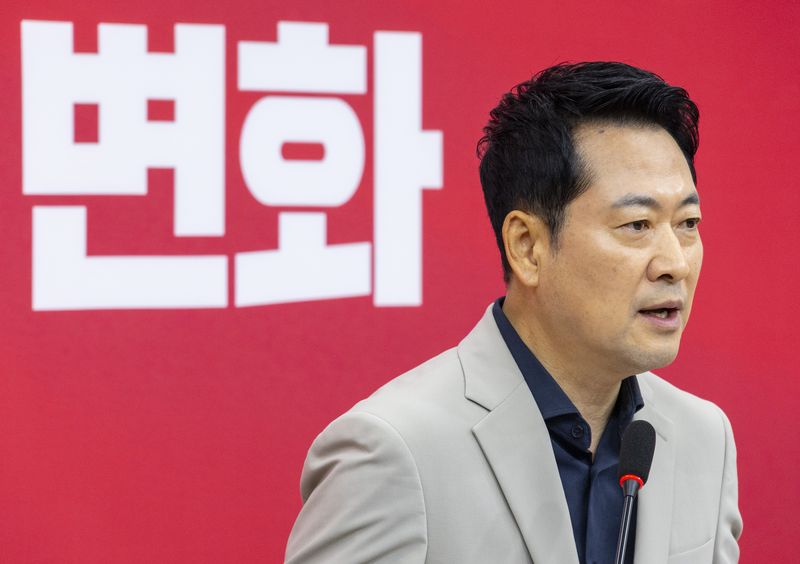
[Financial News] Attention is focused on whether the political landscape, which has been centered on the ruling camp since the launch of the Lee Jae Myung administration, will reach a turning point with the September regular session of the National Assembly. A series of venues for the opposition to scrutinize the government and ruling party will follow, beginning with confirmation hearings and continuing through the tax reform plan, next year’s KRW 820.9 trillion budget, and the National Assembly audit. The People Power Party has accumulated issues to attack, but its challenge is to unite them into a single front against the government and take the political initiative.
According to political circles on the 2nd, the first major test facing the People Power Party will be confirmation hearings following President Lee Jae Myung’s mid-sized Cabinet reshuffle. Six nominees will face scrutiny by the National Assembly of the Republic of Korea: Lee Hyoung-il for the Ministry of Economy and Finance; Kim Seung-won for the Ministry of Justice; Kang Shin-cheol for the Ministry of National Defense; Yong Hye-in for the Ministry of Gender Equality and Family; Hong Ji-sun for the Ministry of Land, Infrastructure and Transport; and Lee So-young for the Ministry of SMEs and Startups.
The People Power Party plans to concentrate its firepower particularly on nominees Kim Seung-won and Yong Hye-in. It is mounting an offensive against Kim by highlighting his role as co-chair of the “Prosecution Withdrawal Group,” formed by Democratic Party of Korea lawmakers, and linking the issue to President Lee’s trial. In Yong’s case, the party is focusing on whether she can retain her proportional-representation seat. Kim Eun-hye, deputy chair of the People Power Party’s policy committee, warned of Kim’s hearing, saying, "Even if it means staying up for two or three nights, we must conduct a rigorous hearing."
If the hearings are a venue for vetting individuals, a full-fledged policy battle awaits afterward. The government’s finalized budget for next year totals KRW 820.9 trillion, up 12.8% from this year and the largest ever. The People Power Party has labeled it “runaway fiscal spending” and plans to launch an extensive review during the budget process.
The People Power Party is taking particular aim at the KRW 162.3 trillion Future Fund. The government plans to use increased tax revenue resulting from the semiconductor boom and other factors to invest in young people, growth engines, regional development, education and talent, while responding to fluctuations in tax revenue. The People Power Party, however, believes the fund could become a “de facto standing supplementary budget” that the government can draw on whenever necessary while avoiding National Assembly oversight.
There is also a growing mood within the opposition that the fund should be attacked as the so-called “Lee Jae Myung reservoir.” A People Power Party official criticized the government, saying, "When it was in opposition, it said reserve funds and special activity funds should be reduced, but after taking power, its position changed."
The tax reform plan is another front the People Power Party is targeting in connection with people’s livelihoods. In particular, it plans to highlight the reduction in tax credits for credit-card sales by individual business owners as an increase in the burden on self-employed workers.
The October National Assembly audit is expected to expand individual issues raised during the hearings and debates over tax reform and the budget into an overall assessment of the Lee Jae Myung administration’s governance. The party could establish a sequence in which it probes personnel issues during the hearings, criticizes economic policy through tax and budget debates, and then focuses on examining the government’s policy achievements and accountability during the audit.
However, political leadership will not naturally pass to the opposition. If the People Power Party merely repeats allegations already known during the hearings and limits itself to demanding budget cuts, it will face limitations in countering the ruling party’s legislative and budgetary drive. While criticizing government policies, it must also show what tax and fiscal policies it would offer as alternatives. Observers say the party’s ability to restore its presence will depend on whether it can connect each issue into a single narrative of “checking the government and offering policy alternatives,” rather than exhausting them as one-off attacks.
[email protected] Kim Kyung-min Reporter