"My Father Was Diagnosed With Dementia, but There Was KRW 1 Billion in His Bank Account"—Dementia Money Set to Reach KRW 488 Trillion by 2050
- Input
- 2026-09-07 17:43:44
- Updated
- 2026-09-07 17:43:44
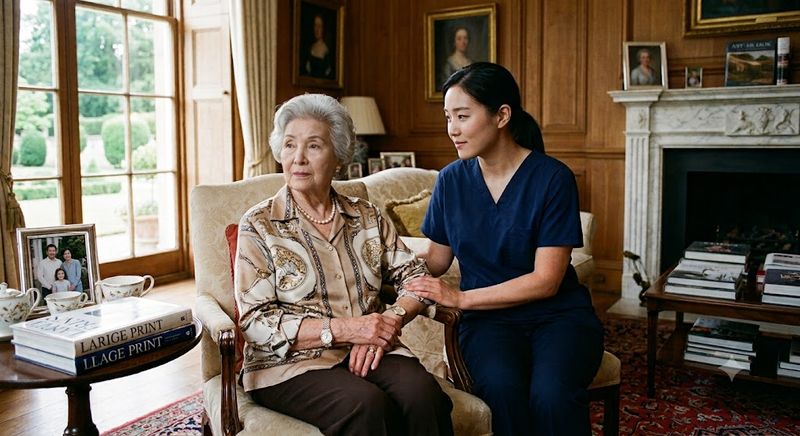
[Financial News] As the so-called “dementia money” held by older adults with dementia is projected to grow to KRW 488 trillion by 2050, the financial sector is facing a growing need to help manage dementia patients’ assets safely. Dementia money refers to various assets held by older adults with dementia, including financial assets and real estate. As declining decision-making capacity can leave assets unmanaged or expose them to financial fraud and property disputes, experts say systematic asset-management measures should be established in advance.
According to the financial sector on the 7th, dementia money was estimated at KRW 154 trillion as of 2023. As the population ages rapidly, both the number of dementia patients and the assets they hold are expected to increase. Accordingly, calls are growing within the financial sector to use trusts to protect dementia patients’ property and ensure that it can be used reliably for treatment, caregiving, and other necessary expenses.
Some are also calling for the scope of trusts of the right to claim insurance benefits to be expanded from the current death benefits to dementia insurance benefits. Although dementia insurance benefits are paid after a diagnosis, recipients may have difficulty managing the funds themselves because their decision-making capacity may have declined by the time the benefits are paid.
Including dementia insurance benefits among the assets eligible for trusts would allow the funds to be managed and used for their original intended purposes, such as treatment and caregiving costs. It is also expected to help prevent financial fraud, financial exploitation, and property disputes among family members.
Improving the system to make dementia trusts more accessible is also considered a key task. Trusts currently tend to be used mainly by high-net-worth individuals, while limited sales infrastructure makes them difficult for ordinary older adults to access. Some have therefore called for easing the relevant licensing requirements so that insurance agents, who frequently interact with older adults, can provide information about dementia trusts in connection with dementia insurance.
The financial sector believes that, in preparation for a super-aged society, dementia should be addressed not only as a medical and caregiving issue but also as an asset-management issue. It says an institutional foundation linking insurance and trusts should be established to protect the rapidly growing pool of dementia money and use it for older adults’ treatment and care.
An insurance-industry official said, "Dementia insurance plays a role in covering the treatment and caregiving costs needed after diagnosis, but it is also necessary to consider that the policyholder’s decision-making capacity may have declined by the time the insurance benefits are received." The official added, "If the system is improved so that dementia insurance benefits can also be managed systematically through a trust, it would help protect older adults’ assets and provide practical support for their care."
[email protected] Hong Ye-ji Reporter