From Hallasan’s Autumn Foliage to Gujwa Carrots: 7 Seasonal Ways to Enjoy Jeju in Fall
- Input
- 2026-09-02 13:14:01
- Updated
- 2026-09-02 13:14:01
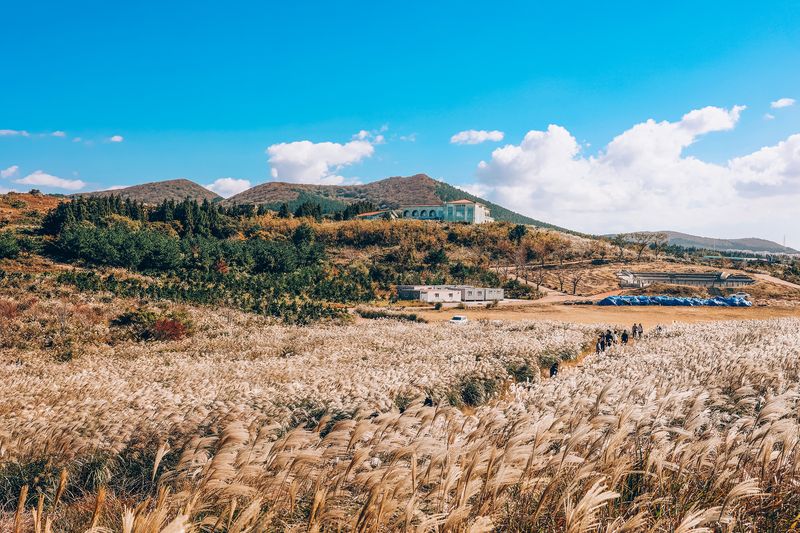
【Financial News Jeju=Reporter Yong-bok Jeong】 Walk along Hallasan’s autumn foliage trails, cycle along coastal roads, and then sample Gujwa carrots and traditional Jeju liquor. In the island’s mid-mountain villages, visitors can encounter ponies and pastoral culture, while enjoying Jeju’s autumn along fields and coasts colored by silver grass and buckwheat flowers.
Jeju has introduced a “seasonal travel” program for September through November, combining walking, local food, villages, wellness, and culture and the arts in line with the changing seasons.
According to Jeju Tourism Organization on the 2nd, the two organizations released “2026 Recommended Jeju Tourism Content—The Best Way to Enjoy Seasonal Jeju Autumn, When the Time Is Right.”
Rather than simply listing tourist attractions, the content divides experiences best enjoyed in Jeju during autumn into seven themes. They are bucket-list experiences, local food, village travel, wellness, culture and festivals, autumn flowers, and island and coastal travel.
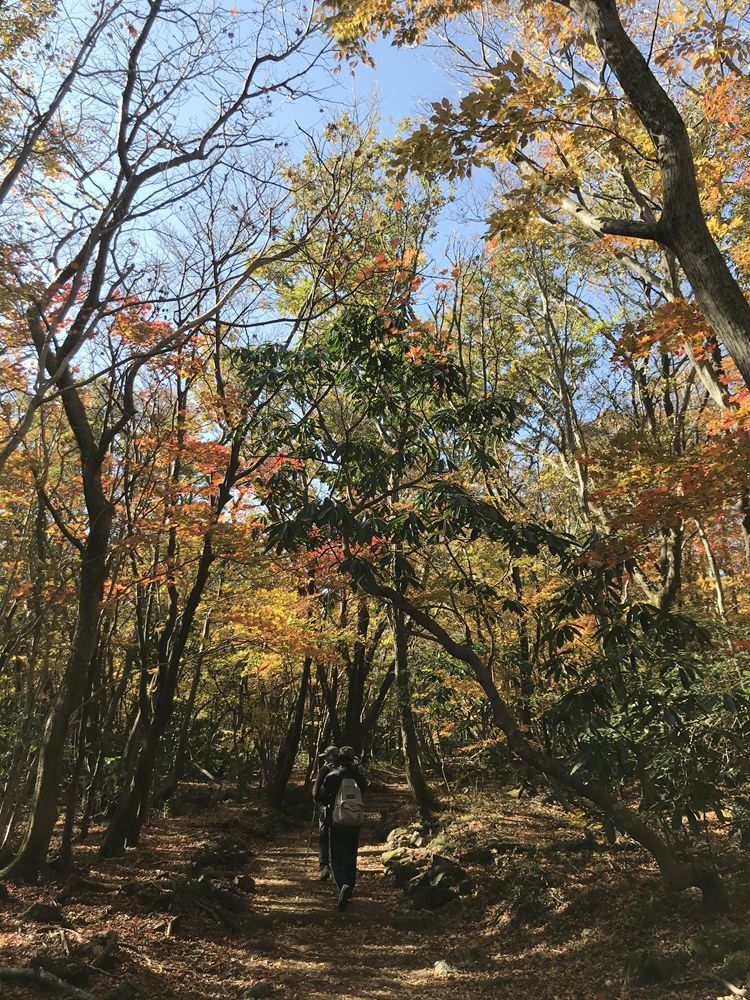
Hallasan is at the heart of autumn outdoor travel. Yeongsil–Witse Oreum and Eorimok–Witse Oreum are considered signature routes where visitors can enjoy both autumn foliage and silver grass. Travelers can choose among routes of varying difficulty, from Eoseungsaengak, which offers a quick taste of Hallasan in autumn, to the Seongpanak and Gwaneumsa routes leading to Baengnokdam.
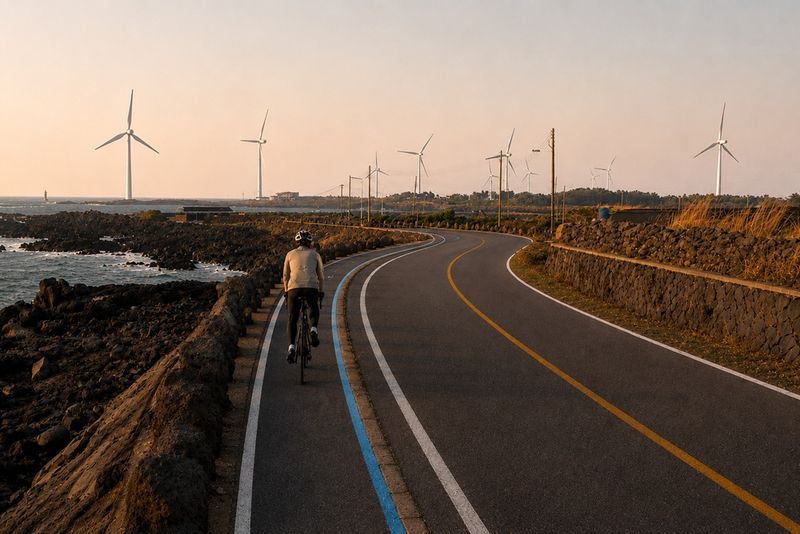
Cycling trips highlight the chance to see the sea and villages up close. Along Sinchang Windmill Coastal Road, riders can cycle with wind turbines and Chagwido Island as a backdrop. On the Beophwan–Gangjeong Coastal Road, they can take in Beomseom Island and Seogwipo’s coastal scenery.
The “Jeju & Kyochon Minivelo Festa 2026” will also be held on the 12th and 13th, when Jungmun Golf Club will open its course to bicycle riders. It is a limited program allowing participants to ride on a golf course that is normally difficult to access by bicycle.
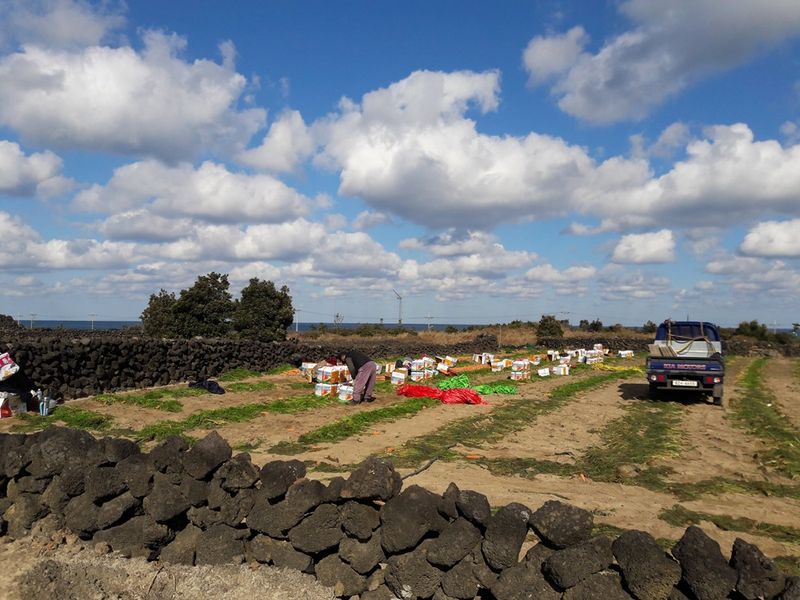
Jeju’s autumn flavors begin in the fields. Gujwa-eup in Jeju City is a leading carrot-producing area on the island. In autumn, carrot leaves grow green across the fields, while the main harvest begins in late November.
Cafes in the Gujwa area serve dishes and drinks made with local farm products, including carrot juice and carrot cake. From late autumn, some farms around Songdang-ri and Pyeongdae-ri also offer carrot-harvesting experiences.
Traditional liquors made with Jeju agricultural products, including tangerines, are also included on the autumn food list. The travel content introduces drinks made with local ingredients, including “Sinyeri Myeongju,” brewed with tangerines, as well as “TOMORA” and “Jeju Gotbat.”
For village travel, a different area was selected for each month from September through November. In September, the recommendation is Jeoji-ri in Hangyeong-myeon, Jeju City. The nature-and-art itinerary includes walking around Jeoji Oreum and Jeoji Gotjawal, then visiting Jeju Museum of Contemporary Art, Kim Tschang-yeul Art Museum, Banglimwon, and Spirited Garden.
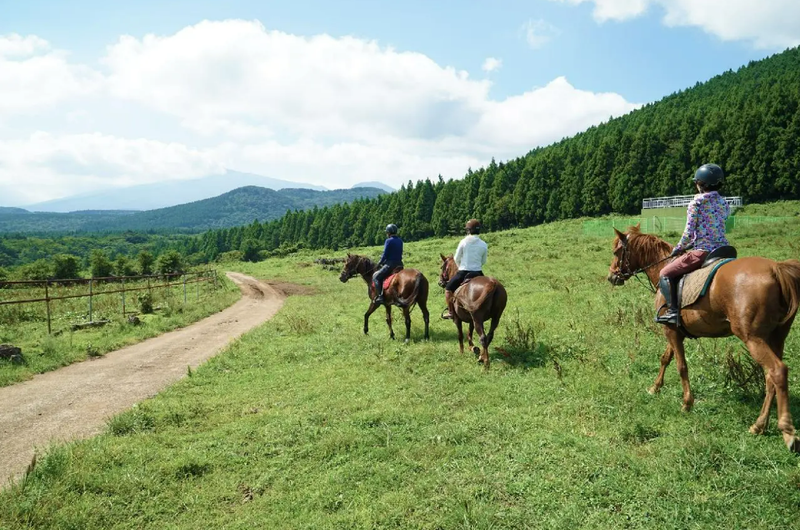
For October, the organization recommended Gasiri in Pyoseon-myeon, Seogwipo City, and Euigwi-ri in Namwon-eup. Gasiri retains the history of Gapmajang, where horses were supplied to the royal court during the Joseon Dynasty. Visitors can walk Ttarabi Oreum and Keunsaseumi Oreum along the 10.3-kilometer Jjolbeun Gapmajang Trail and experience Jeju horse culture.
Euigwi-ri was the hometown of Kim Man-il, who raised horses and presented them to the state, earning recognition as a meritorious horse donor. At Euigwi-ri Village Community Ranch and Otgwi Horse Theme Town, visitors can see grasslands and Jeju horses and take part in horseback-riding experiences.
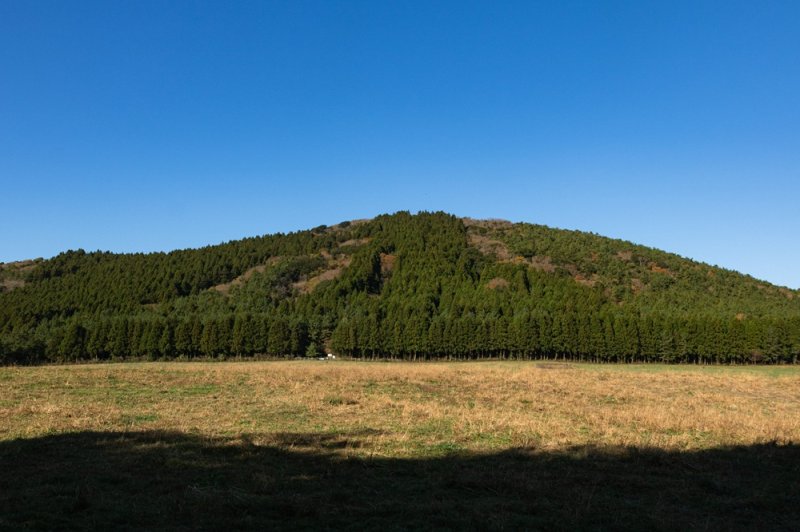
The recommended village for November is Sinyeri in Namwon-eup. During this period, tangerine fields and stone-wall paths turn orange, and visitors can also explore Iseungak Oreum, where a dense cedar forest stretches across the landscape.
Mulyeongari Oreum was selected as a destination for quiet walks and rest. The oreum contains a crater lake at its summit. It was designated a wetland protection area in 2000 and registered as a Ramsar Wetland in 2007.
After passing through pastureland and climbing through a cedar forest and up stairs, visitors reach a crater wetland measuring about 300 meters around and approximately 40 meters deep. Because the course is relatively short, it was introduced as an autumn wellness destination suitable for families and couples.
In culture and the arts, the fifth Jeju Biennale takes center stage. This year’s biennale, themed “Heukkeugok Modakchigok Iyahong: The Technology of Transformation,” runs for 83 days from August 25 through November 15.
Sixty-nine teams from 21 countries are taking part, presenting Jeju’s nature, history, and myths through contemporary art at Jeju Museum of Art, Jeju Stone Park, Jeju Art Platform, Art Space Ia, Gallery Remicon, and other venues.
Autumn festivals will also continue. Sinsan Dochebi Light Festival, Tamna Culture Festival, Seogwipo Chilsimni Festival, Jeju Horse Festival, Hero Reckless Day, and Jeju Ya Festa are scheduled to take place in September and October.
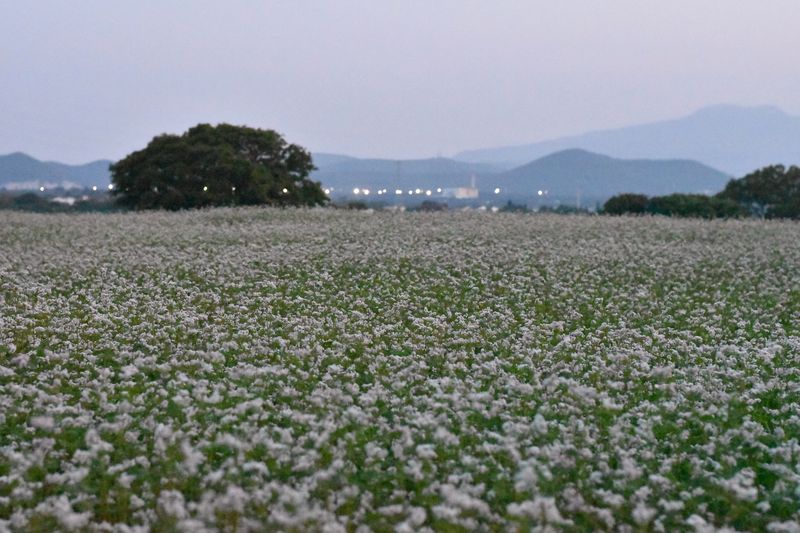
Jeju’s signature autumn silver grass and buckwheat flowers are also featured.
In the Eoeum-ri area of Aewol-eup, Jeju City, silver grass spreads across broad fields. Visitors can also find Jeju’s distinctive silver-grass scenery at Keunsaseumi Oreum, the Songaksan Dulle-gil trail, and along the Bijarim-ro–Seongsan section.
Silver grass reaches its peak from mid-October to early November. In Waheul-ri, Jocheon-eup, buckwheat flowers peak in early October. Unlike the spring festival season, autumn offers a quiet chance to explore the buckwheat fields cultivated by residents and the surrounding rural village without a separate festival.
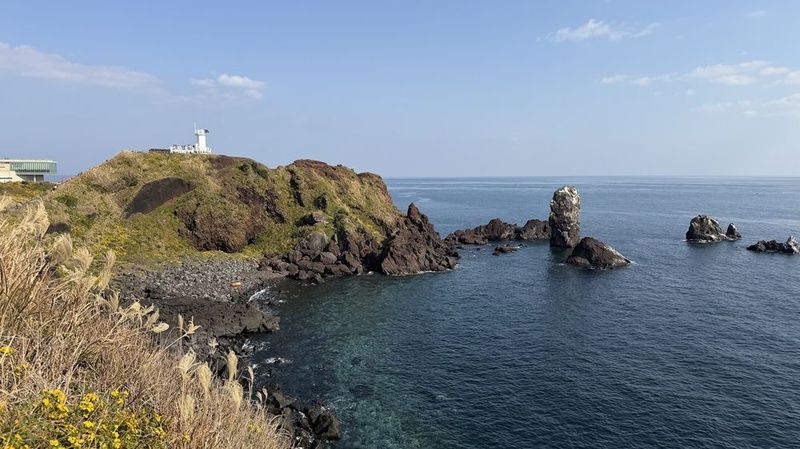
For island and coastal travel, the recommendations include Seopjikoji, Udo, Oedolgae Sea Stack, and Suwolbong Peak. At Seopjikoji, visitors can walk along the coastal cliffs while viewing Seongsan Ilchulbong and the horizon. On Udo, they can climb Udobong to look down over silver-grass ridges and the coast, or tour the island by bicycle.
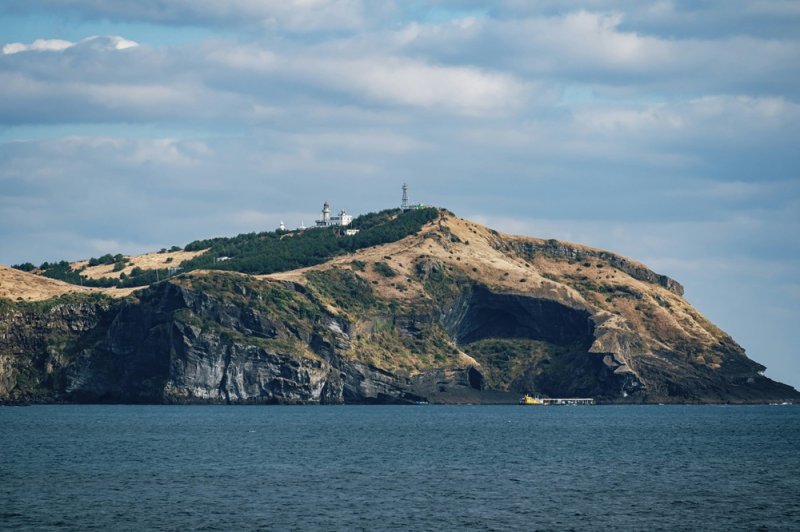
At Oedolgae Sea Stack, visitors can walk along the Seogwipo coast on Jeju Olle Route 6. On the Suwolbong Peak Geotrail, they can see volcanic-ash strata together with Chagwido Island.
Jeju Tourism Organization will also hold the “Jeju Autumn Photo Event” on VisitJeju from the 29th through October 19. Prizes will be awarded by lottery to participants who submit photos of autumn culture and festivals taken during their trip to Jeju.
Seungchul Ko, president of Jeju Tourism Organization, said, “Autumn is a good time to explore Jeju at a leisurely pace, accompanied by cool breezes.” He added, “I hope visitors will follow the landscapes and stories that can be encountered only in their proper season and experience Jeju’s autumn more deeply.”
[email protected] Reporter Yong-bok Jeong Reporter