Trump Says He 'Doesn't Care About a Deal' as the United States and Iran Fight with No End in Sight
- Input
- 2026-09-02 13:36:14
- Updated
- 2026-09-02 13:36:14
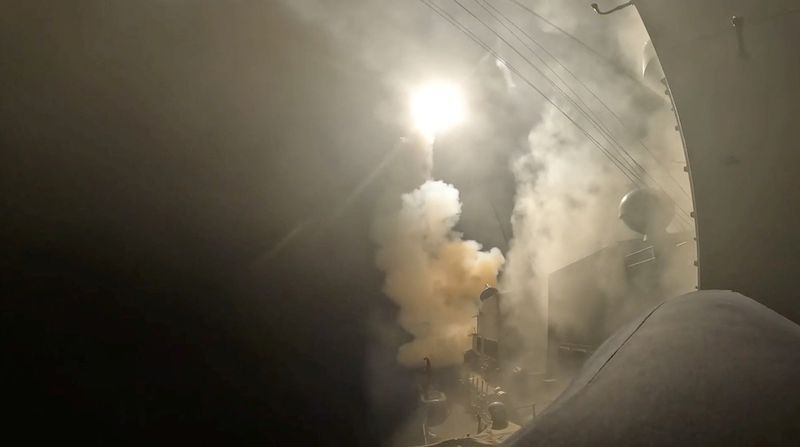
[Financial News] The United States, which resumed attacks on Iran after a gap of about one month, is expected to respond firmly to Iranian provocations for the time being based on an "eye-for-an-eye" principle rather than negotiations. The renewed conflict between the two sides is expected to cause damage to South Korea and other countries connected to the Strait of Hormuz.
Trump Says He "Doesn't Care About a Deal with Iran"... Strikes Tankers
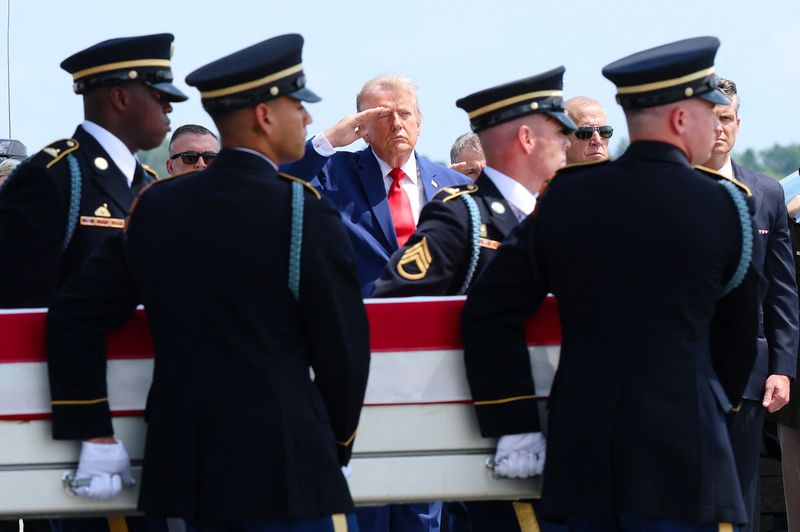
U.S. President Donald Trump wrote on Truth Social on the 1st (local time), "Unlike the fake reporting by ABC News, I am not trying to bring Iran to the negotiating table." He stressed, "I don't care if Iran signs a deal that is useless to them. We are in a much better position now that we have complete control of the Strait of Hormuz, and Iran's economy is completely collapsing." He added, "They are heading toward the inevitable," and asked, "When will the Iranian people rise up and fight?"CENTCOM, which is overseeing operations against Iran, said in a post on X on the same day, "We successfully completed a series of strikes against Iranian military targets on the 1st." It added, "We struck targets including the Islamic Revolutionary Guard Corps' air defense and radar facilities, maritime assets, mine-laying capabilities, and communications facilities." The number of targets struck by the U.S. military was reportedly about 100.
In a Fox News interview the same day, Trump explained the background to the strikes, saying, "We have continued to monitor Iran's efforts to rebuild its radar system," and "We waited until the work was nearly complete before carrying out the strikes." He said, "I think any deal we make with them would not be worth as much as the piece of paper it is written on," adding, "We gave them many opportunities."
U.S. political news outlet Axios reported on the 1st that the U.S. military had attacked two Iranian government-owned tankers along with military facilities that day. U.S. officials called the action "tanker for tanker" and described it as a new response authorized by Trump. They said the United States had directly retaliated against Iranian tankers, going beyond an indirect maritime blockade, in response to Iran's attacks on civilian commercial vessels.
Strait of Hormuz Blocked as South Korean Vessel Is Hit
The United States, which had conducted airstrikes on Iran alongside Israel since February this year, halted its strikes on July 30 and did not officially attack Iran again until the 29th of last month.However, in an announcement on the 30th of last month, the United States said Iran had attempted to deploy remote-controlled mines using rockets in the Strait of Hormuz and that it had attacked Iranian rocket launchers. Iran responded the same day by striking a U.S. military base in Jordan.
The IRGC said it launched retaliatory attacks after the United States' second round of strikes on the 1st. The IRGC claimed, "Using a new air defense system, we shot down an advanced MQ-9 drone operated by the U.S. invading forces, bringing the cumulative number of aircraft downed to 50." It also claimed that it had attacked a U.S. military base in Jordan with ballistic missiles and that many U.S. troops had been killed. Tasnim News Agency, an Iranian semi-official outlet, reported, "The Iranian military's decisive operation targeting the United States has begun," adding, "Iranian missiles and drones are striking U.S. military bases and key facilities across the region." In an interview immediately after the strikes on the 1st, Trump stressed, "Today's attack was a very major blow. If this goes to a third round, Iran will completely disappear as a country."
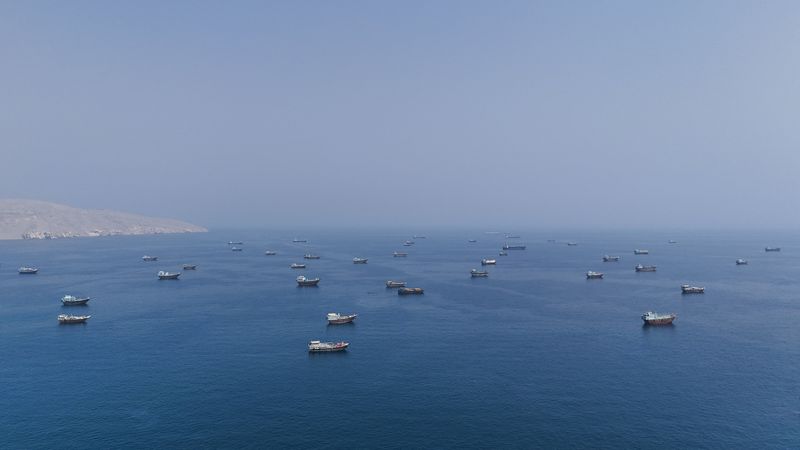
International oil prices surged by around 5% that day, while all three major U.S. stock indexes closed lower. According to data from U.S. shipping information company Kpler, an average of 99 vessels per day passed through the Strait of Hormuz during the final 10 days of February, just before the war with Iran, but only nine vessels passed through the strait on the 1st. The Financial Times (FT) reported that on the 31st of last month, the tanker Senegal Prosperity, owned by South Korea's Janggeum Maritime, and the tanker Sidr, owned by Saudi Arabia's state-run oil company, were attacked.
In a press release on the 2nd, the Korea Shipowners' Association said that Senegal Prosperity is 100% owned by a foreign shipowner and that Janggeum Maritime's affiliate, Janggeum Maritime, has no beneficial ownership of the vessel. The vessel was chartered by Janggeum Maritime and then subchartered to a foreign oil company, and it was not carrying any South Korean crew members.
[email protected] Park Jong-won Reporter