"Gwangneung Forest and Four National Recreational Forests Officially Listed as World Protected and Conserved Areas"
- Input
- 2026-09-02 16:01:41
- Updated
- 2026-09-02 16:01:41
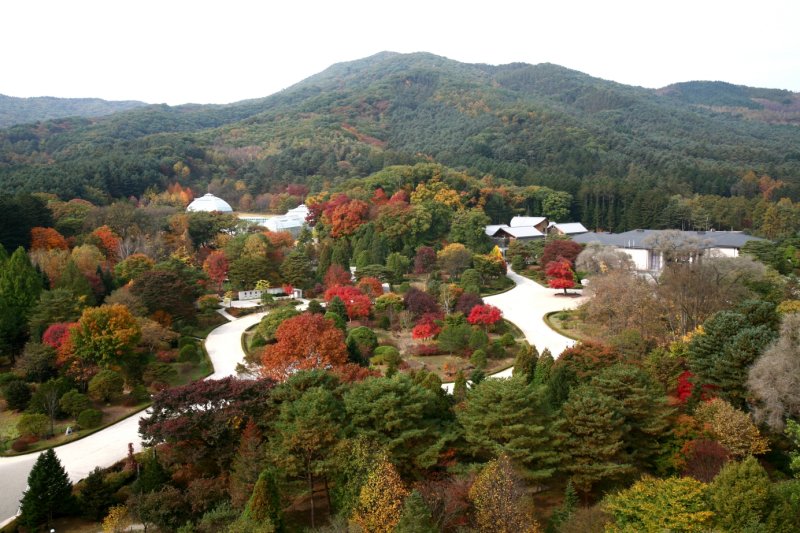
OECMs are areas that are not legally designated protected areas but are effectively managed in ways that contribute to biodiversity conservation. The five forest OECMs listed this time cover a total of 5,383.7 hectares: Gwangneung Forest (2,426 hectares), National Sinsido Recreational Forest (119.2 hectares), Sinbulsan National Recreational Forest (1,013.1 hectares), Unmunsan National Recreational Forest (1,578 hectares), and Hwangjeongsan National Recreational Forest (247.4 hectares).
Since 2021, the Korea National Arboretum has conducted biodiversity surveys of various forest areas, including arboretums and botanical gardens, recreational forests, forest wetlands, and wind caves, based on the assessment system of the International Union for Conservation of Nature (IUCN). It has also carried out research to identify and assess forest OECMs.
The international listing demonstrates that forests managed in various forms, including recreational forests used by the public for forest welfare and leisure, can be recognized as OECMs when they make a substantive contribution to biodiversity conservation. With a total of 5,383.7 hectares of forest OECMs now reflected in international data, South Korea can officially share its achievements in conserving forest biodiversity with the international community.
The forest OECMs listed in the World Database on Protected and Conserved Areas are also expected to contribute to implementing the 30×30 target under the Kunming-Montreal Global Biodiversity Framework (KMGBF). The target calls for effectively conserving at least 30% of the world's terrestrial, inland water, coastal, and marine areas by 2030.
Youngwan Park, director of the Forest Environment Protection Division at the Korea Forest Service, said, "The significance of this international listing is that the biodiversity conservation value of our forests has been officially reflected in international biodiversity conservation data. We will not stop at the listing itself. We will continue to monitor the conservation and management status of forest OECMs so that this achievement leads to tangible conservation results."
[email protected] Kim Won-jun Reporter