"Is the South American Andes glacier collapse next?"... Chile, Argentina, and Peru face a 'glacial lake outburst flood' crisis
- Input
- 2026-09-02 09:53:37
- Updated
- 2026-09-02 09:53:37
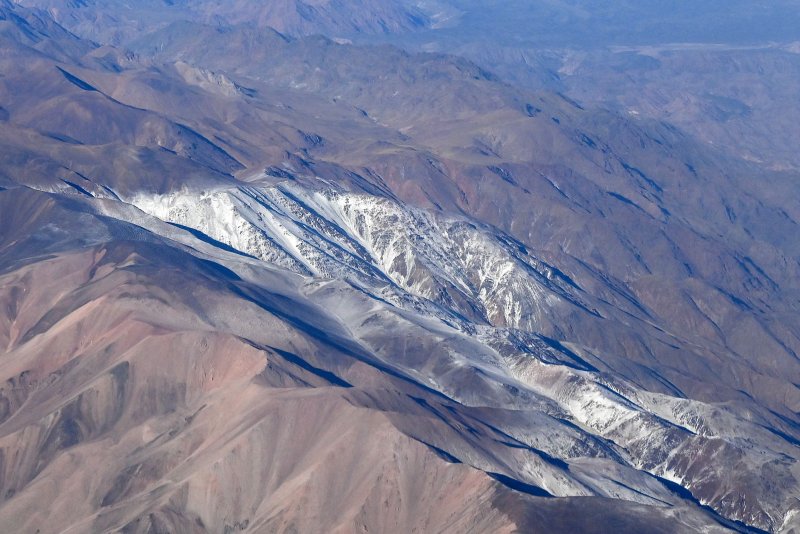
[Financial News] Fear of large-scale 'glacial lake outburst floods' caused by climate change is resurfacing in countries across the South American Andes.
As global warming accelerates the melting of the Andes ice fields, Argentina, Chile, and Peru are being left defenseless against the risk of devastating floods and landslides.
According to UPI and other sources on the 1st (local time), numerous unstable lakes are recently forming in the mountainous regions of these countries as glaciers melt due to rising temperatures.
As a result, the risk of Nepal-style 'glacial lake outburst floods' is growing: if rock slopes or ice walls weakened by glacial melting collapse into a lake, enormous amounts of water and sediment could pour downstream.
Chile, home to more than 26,000 glaciers, is on high alert. Not only remote Patagonia but also hydroelectric power plants and mines in the capital and central regions, as well as drinking-water infrastructure serving millions of people, depend on the Andean watershed. A glacier collapse could therefore cause severe economic and social damage.
Peru faces an even more serious crisis. According to Peru's National Institute for Glaciers and Mountain Ecosystems, 528 lakes in the country are at risk of outburst flooding. Of these, 58 are classified as high-risk.
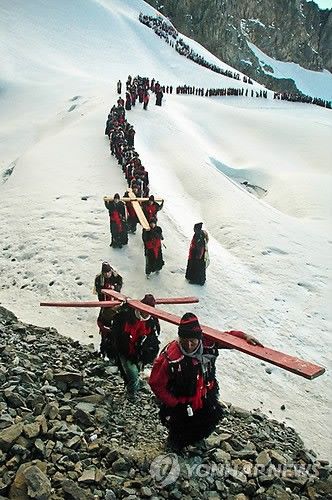
528 Peruvian Lakes at Risk of Outburst Flooding... Chile, Home to More Than 26,000 Glaciers, Also on High Alert
Lake Palcacocha, upstream from Huaraz, a city with more than 120,000 residents, is considered the area at greatest risk. If part of a glacier melted by global warming were to fall into the lake, which holds more than 17 million cubic meters of water, a massive wave could breach the dam and engulf the entire city in less than an hour. The area also has a historical precedent: in 1941, flooding from the same lake destroyed one-third of the city and killed thousands.
In Argentina, Lake Erizos in San Juan Province burst in 2005, releasing 31 million cubic meters of water in just 67 minutes and sweeping across more than 250 kilometers. Because few people lived in the area, there were no casualties.
At present, major areas in Argentina's Patagonia, including the tourist city of El Chaltén, are exposed to the threat of the collapse of lakes such as Lake Torre. Lakes formed by the melting of massive glaciers, including Upsala Glacier, also pose potential threats. In 2013, an ice wall near Upsala Glacier collapsed because of increased water pressure and rising temperatures. The enormous volume of trapped water and chunks of glacier then poured into Onelli Bay, generating tsunami-scale waves.
Juan Pablo Milana, a researcher at Argentina's National Scientific and Technical Research Council, emphasized in an interview with the local media outlet Infobae, "The tragedy that occurred in Nepal has already happened in South America as well."
Major South American Cities Face Potential Catastrophe as Melting Glaciers Threaten Energy and Drinking-Water Networks
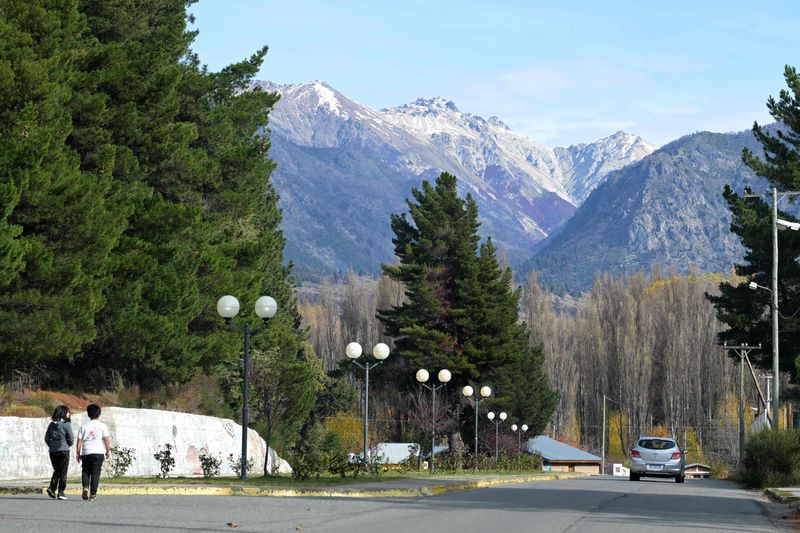
Dario Ormeño, a geology professor at Andrés Bello University in Chile, said in a recent interview with a local radio station, "Chile's glaciers are smaller than those in the Himalayas and have less vertical relief, so a major disaster on the scale of Nepal is unlikely," but added, "Landslides themselves, however, are a real threat that could occur at any time."
Chilean government agencies are working to strengthen early-warning systems by using satellite imagery and radar technology to periodically update the national glacier database and detect, in real time, the expansion of glacial lakes and fissures on the slopes of the Andes.
Governments across South America are deploying satellite surveillance and hydrological sensors to establish early-warning systems. However, existing disaster-prevention infrastructure is woefully inadequate to cope with the speed and scale of potential collapses.
Experts warn that unless the rise in temperatures is halted, climate disasters surging through mountain valleys will continue to threaten the energy and drinking-water networks of major South American cities and the lives of their residents.
Researcher Milana said, "The tragedy in Nepal is a reality that could be repeated at any time in the South American Andes." He warned, "Without continuous monitoring and preventive infrastructure, climate disasters surging through mountain valleys will threaten the energy and drinking-water networks of major South American cities and the lives of their residents."
[email protected] Lee Seok-woo, International Specialist Reporter