BMI Down 84%... Adolescents Also Eligible for Bariatric Surgery [Health Check]
- Input
- 2026-09-02 09:34:15
- Updated
- 2026-09-02 09:34:15
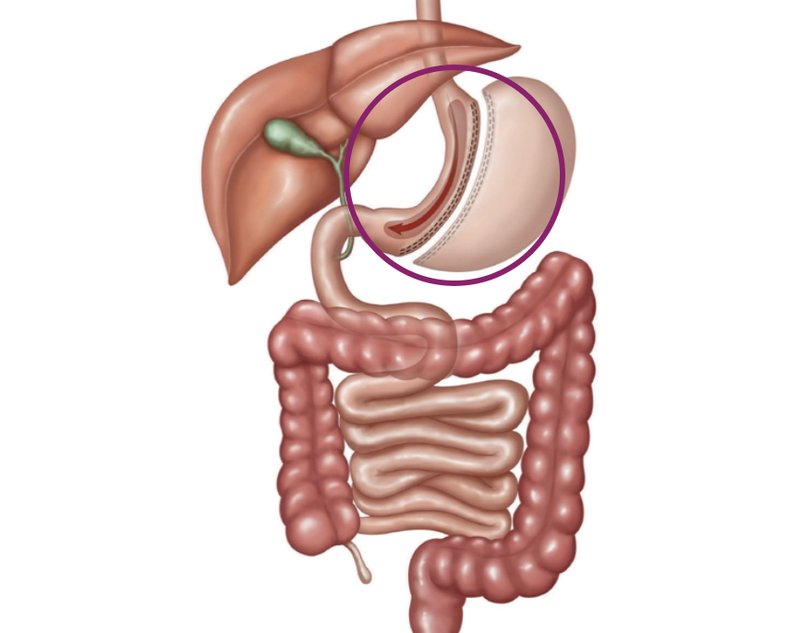
[Financial News] With few effective treatment options available for adolescent obesity, a study has found that laparoscopic sleeve gastrectomy, previously regarded as a procedure for adults, is also effective for adolescents in South Korea.
A joint research team from the Department of Surgery and the Department of Pediatrics at Incheon Sejong Hospital announced these findings in a study titled “Short-Term Clinical and Metabolic Outcomes of Laparoscopic Sleeve Gastrectomy in Korean Adolescents with Severe Obesity: A Retrospective Analysis.”
As severe obesity and related complications among adolescents have emerged as serious global public health problems, Laparoscopic Sleeve Gastrectomy (LSG) has drawn attention as an effective treatment. However, clinical research involving Asian adolescents, including those in South Korea, remains limited, providing the background for this study.
The study analyzed the demographic characteristics, body composition, pre- and postoperative test results, and postoperative weight-loss outcomes of 24 adolescents who underwent sleeve gastrectomy. They were selected from a total of 1,824 bariatric and metabolic surgeries performed at Incheon Sejong Hospital between 2020 and 2025.
The results showed that all patients experienced significant weight loss 12 months after surgery. Specifically, the average percentages of excess weight loss and BMI reduction reached 84.12% and 84.43%, respectively. Body fat mass also fell by 51.12%. In contrast, muscle mass declined by only 16.67%, indicating that it was relatively well preserved.
Triglyceride levels and fasting C-peptide also fell, from 167.3mg/dl to 67.9mg/dl and from 4.0mg/dl to 2.4mg/dl, respectively. Controlled attenuation parameter (CAP) measurements of liver fat accumulation and liver stiffness also decreased, from 337dB/m to 246dB/m and from 7.1kPa to 5.1kPa, respectively.
Lee Seong-bae, director of the Bariatric and Metabolic Surgery Center and a surgeon at Incheon Sejong Hospital, said, "The study showed that performing laparoscopic sleeve gastrectomy on Korean adolescents with severe obesity led to substantial weight loss during the first year after surgery, along with rapid improvements in metabolic and liver-function indicators." He added, "Bariatric and metabolic surgery is the most effective treatment for obesity currently available. It can not only help patients lose and control weight but also prevent diseases that may develop in the future."
The findings were published in the July 2026 issue of Obesity Surgery (IF=3.4), the official journal of the International Federation for the Surgery of Obesity and Metabolic Disorders (IFSO) and the British Obesity and Metabolic Surgery Society (BOMSS). The research team consisted of Lee Seong-bae, director of the Bariatric Surgery Center and a surgeon; Jeong Seong-woo, a surgeon; and Lee Jeong-seon, a pediatrician, all from Incheon Sejong Hospital.
What Is Bariatric and Metabolic Surgery?
Bariatric and metabolic surgery is the most frequently performed type of surgery worldwide for a single disease. More than 800,000 procedures are performed annually. It is the most effective and only validated treatment for achieving and maintaining weight loss in patients with severe obesity. It cuts the incidence of obesity-related complications, including cancer, by half and reduces mortality by two-thirds.
The most commonly performed bariatric and metabolic procedure is sleeve gastrectomy. It reduces the stomach’s capacity by removing part of the stomach to create a banana-shaped organ. As the overall size of the stomach decreases, patients feel full more easily, while hormonal changes alter appetite and food preferences. The laparoscopic procedure typically allows patients to leave the hospital after one to two days.
Another procedure is the malabsorptive Roux-en-Y gastric bypass (RYGB). In this operation, the upper part of the stomach is divided to create a small pouch, and the small intestine is connected in a Y shape. By moving the point at which food meets pancreatic juice and bile from the duodenum to the lower small intestine, the procedure preserves pancreatic function and prevents blood sugar from rising. It is highly effective in achieving complete remission of type 2 diabetes and provides strong long-term weight-loss and weight-maintenance benefits.
Both procedures can reduce preoperative body weight by 30% to 35% and maintain that weight loss for more than 15 years. Weight regain is also very rare, and most patients experience an improved quality of life after surgery. Recognizing their importance, the government began covering these procedures under the National Health Insurance program in 2019.
[email protected] Medical Specialist Jeong Myeong-jin Reporter