Eurozone Inflation Surpasses 3% Again After Three Months, Raising Prospect of Further Rate Hike
- Input
- 2026-09-02 14:51:12
- Updated
- 2026-09-02 14:51:12
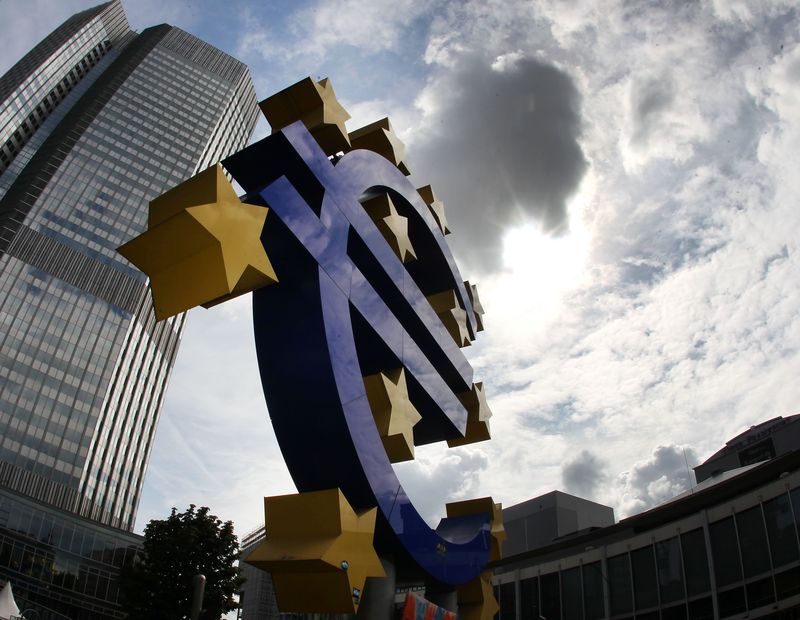
[Financial News] Inflation in the Eurozone, comprising the 20 countries that use the euro, surpassed 3% in August for the first time in three months due to soaring energy prices, increasing the likelihood of a rate hike.
On the first, local time, foreign media outlets including Euronews reported that the August consumer price index (CPI) flash estimate released by Eurostat, the European Union's statistics office, rose 3.3%, up 0.4 percentage points from the previous month.
The core inflation rate, excluding energy and food, fell to 2.4% in August from 2.5%, but energy prices surged from 10.3% to 14.3%, driving up the CPI.
As a net importer of energy, the Eurozone saw crude oil and refined petroleum prices rise after the Strait of Hormuz was blocked. Natural gas supplies were also disrupted.
Traders believe that a rate hike is virtually certain at the ECB monetary policy meeting on the 10th. Markets are pricing in a 98.9% probability that the policy rate will rise by 0.25 percentage points to 2.5%.
The ECB raised interest rates at its monetary policy meeting in June in response to global inflationary pressure stemming from the fallout of the war in Iran, marking its first rate hike since 2023.
At this meeting, attention is expected to focus on whether short-term inflationary pressures will spread to wages and service inflation. Experts say the ECB is most concerned that a temporary rise in energy prices could spill over into wages and service prices, creating structural inflation.
Joe Nellis, chief economist at the British accounting and consulting group MHA, noted, "The ECB is caught in a deep dilemma between raising interest rates and the economic costs." He added, "If borrowing rates rise further, heavily indebted households and the housing market will contract, while companies' investment costs will also increase significantly."
Small and medium-sized enterprises with limited access to finance are expected to be hit particularly hard. Nellis warned, "A further increase in financing costs could be the decisive factor that forces small and medium-sized enterprises to postpone their new investment plans indefinitely or abandon them altogether."
[email protected] Yoon Jae-jun Reporter