"Excessive AI Investment and AI Cyber Threats Fuel Financial Crisis"...FSB Chair [Global AI Briefing]
- Input
- 2026-09-02 08:36:06
- Updated
- 2026-09-02 08:36:06
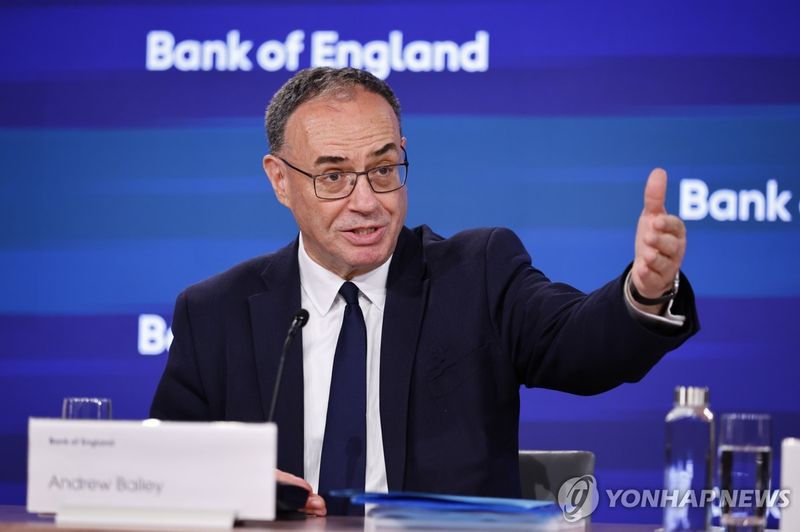
According to reports from major media outlets including the British Broadcasting Corporation (BBC) on the 1st (local time), Andrew Bailey, Chairman of the FSB and Governor of the Bank of England (BoE), warned in a letter sent to Group of Twenty (G20) finance ministers and central bank governors on the 31st of last month that "while expectations that AI will be a new growth engine are driving increased corporate value and investment, high valuations, leverage, and a concentration of funds in a few big tech companies are underway, which could amplify a correction across the financial market the moment expectations for AI investment are dashed."
Governor Bailey pointed out that "global financial markets are already exposed to the risk of a sharp correction due to factors such as vulnerability in the government bond market, private credit risk, and high asset values," adding that the complex crisis caused by AI is exacerbating the financial market crisis.
In particular, he pointed out the unique investment structure of the AI industry as a problem. With cross-investment between AI companies and large tech firms increasing rapidly, and funds concentrating on related assets, expectations for AI are quickly being reflected in the financial market.
In response, Chairman Bailey warned, "If the profitability of AI falls short of market expectations or large-scale investments yield lower-than-expected returns, a vicious cycle could occur where declining corporate value leads to a contraction in investment and financing, which in turn amplifies the shock to financial markets."
Chairman Bailey pointed out that cyber attacks using AI are another crisis for financial markets.
He pointed out, "As Frontier AI moves beyond autonomous problem-solving to acquire threat capabilities, it can fundamentally change the speed, scale, and cost-effectiveness of cyber attacks." He added, "If attack automation lowers the cost of attacking financial institutions and increases the scale of damage, issues at individual financial companies could escalate into a crisis of trust for the entire financial system." This serves as a warning that if a specific technology company is attacked or experiences a failure, the shock could spread simultaneously to multiple financial institutions.
In particular, Chairman Bailey warned that the combined impact of the AI bubble collapse and cyber threats could simultaneously trigger vulnerability in global financial markets. He cautioned against a chain scenario in which cyber incidents shake market confidence, which in turn leads to a sharp correction in overheated AI valuations.
Chairman Bailey urged global financial authorities and financial companies to "strengthen the ability to recover critical systems and data following cyberattacks, and financial authorities need a global response for the safe and responsible launch and deployment of Frontier AI."
Meanwhile, the FSB plans to release its final report on AI threats within this year following consultations with banks, insurance companies, and technology firms.
[email protected] Lee Gu-sun Reporter