Bessent: "Strait of Hormuz Will Become Obsolete Within Two Years... Oil Will Be Rerouted Through Overland Pipelines"
- Input
- 2026-09-02 04:28:04
- Updated
- 2026-09-02 04:28:04
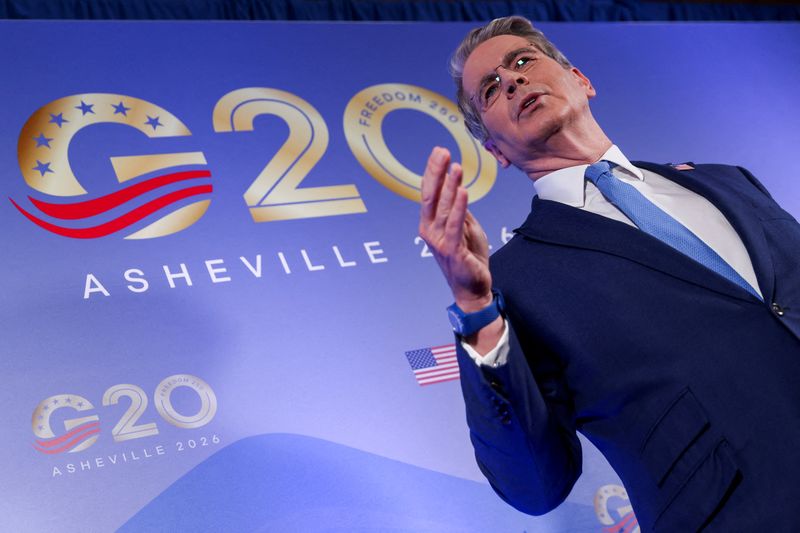
U.S. Treasury Secretary Scott Bessent claimed on the 1st (local time) that the Strait of Hormuz would become an "obsolete waterway" within two years.
Before the war with Iran began on February 28, the strait was a key shipping route, handling 20% of global crude oil and natural-gas shipments.
According to Investing.com, Bessent argued that the Strait of Hormuz had become unnecessary during a meeting of finance ministers from the Group of Twenty (G20) in Asheville, North Carolina, that day.
Emphasizing his argument that the Strait of Hormuz, with Iran holding the leash, was no longer indispensable, Bessent claimed that oil and natural gas from the Persian Gulf would henceforth be transported through alternative routes.
He asserted that overland pipelines would completely replace oil shipments through the strait within the next 24 months. Once this infrastructure transition is complete, he explained, Iran’s asymmetric military capability to threaten a blockade of the Strait of Hormuz would become useless, turning the strait itself into a historic "obsolete" waterway.
The argument that the Strait of Hormuz was no longer useful came alongside the announcement of immediate and tough financial sanctions. Bessent proposed a "zero-tolerance" policy to completely isolate Iran’s economy and warned that the United States was preparing to sanction global aircraft-leasing companies that help operate flights to Iran.
According to Bessent, the U.S. Department of the Treasury (Treasury Department) has already identified certain overseas accounts to freeze Iranian assets in the British Virgin Islands, a tax haven. He added that a series of measures would be rolled out over the next two years to sanction financial institutions secretly assisting Iran.
Countries are also responding swiftly to the U.S. strategy of economically isolating Iran. Bessent said the European Union (EU), the European Central Bank (ECB), the United Kingdom, and the United Arab Emirates (UAE) were offering unified support. He added that the United States was continuing consultations with Chinese authorities to secure the cooperation of Chinese companies through behind-the-scenes contacts.
Before the war, more than 130 vessels passed through the Strait of Hormuz each day, carrying 20% of global crude oil shipments. The number has now fallen to approximately 10 vessels a day because Iran is controlling the narrow waterway with drones, missiles, and other weapons.
As international oil prices surged amid declining supplies, President Donald Trump found himself in a difficult position after his approval ratings plunged ahead of the November 3 midterm elections.
The United States claims that it has removed or detonated all mines laid by Iran and that ships can navigate the strait freely without Iranian control. However, concerns persist, with reports emerging the previous night that South Korean and Saudi Arabian tankers had each come under attack.
[email protected] Song Kyung-jae Reporter