Why Was Schiphol Chosen for Incheon Airport T1 Benchmarking?
- Input
- 2026-09-02 11:00:00
- Updated
- 2026-09-02 11:00:00
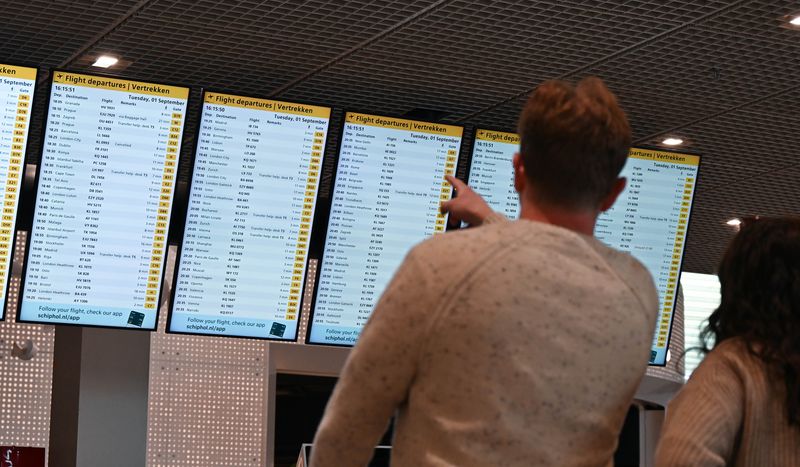
【Amsterdam (Netherlands) = Reporter Kim Dong-hoAmsterdam Schiphol Airport in the Netherlands. Marking its 110th anniversary this year, it is a representative gateway to Europe and a global hub airport handling approximately 70 million passengers annually. However, its site area is about 27.87 million square meters, which is only half the size of Incheon International Airport (about 56 million square meters), and due to its location near the city center, physical external expansion has reached its limits.
To overcome these space constraints, Schiphol Airport is pursuing a comprehensive improvement project called 'Quality and Balance' (totaling 10 billion euros, or approximately 16 trillion won) to transform existing facilities while maintaining full airport operations.
This is the reason why Incheon International Airport Corporation, which is preparing for a major comprehensive improvement project for Terminal 1 (T1, gross floor area 505,939m2) marking its 25th year since opening in 2001, has selected Schiphol Airport as a key benchmark. This is because the essence of '24/7 Operational Continuity,' which involves minimizing passenger inconvenience, efficiently reallocating limited space, and renovating aging facilities in a situation where airport operations cannot be stopped, is concentrated at the site in Schiphol.
"No Suspension of Operations"... 'Heart Surgery' to Undergo Sequential Remodeling After Securing Alternative Space
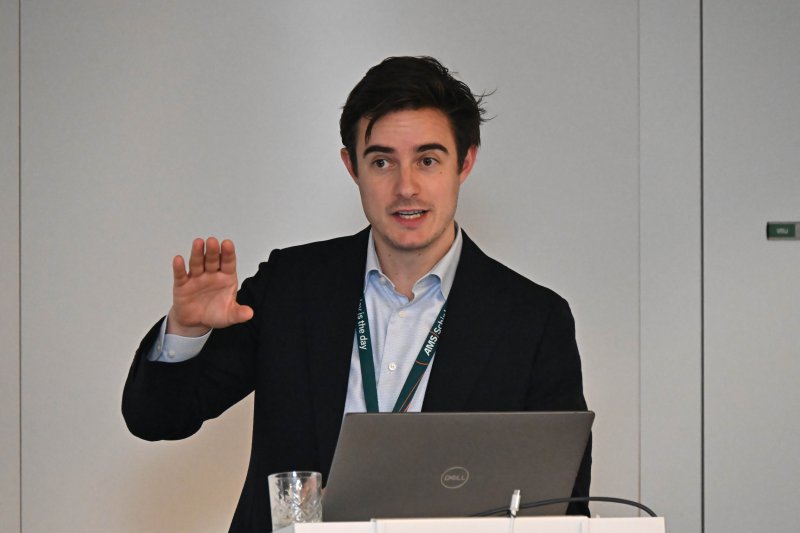
Tim Roas, Head of International Cooperation at Schiphol Airport, described the terminal redevelopment process during a briefing on September 1 (local time) as being "like an open-heart operation." This is because Schiphol Terminal 1, originally designed to accommodate 55 million passengers annually, is already handling a demand of nearly 70 million, meaning even a small loss of space due to construction causes significant disruption to operations.The solution proposed by Schiphol Airport is 'securing alternative facilities first, followed by sequential remodeling.' It is adopting a sequential cycle approach in which a new 'Pier A' with eight gates is constructed first on the vacant land south of the airport (targeting opening in 2026–2027), passengers from the existing terminal are transferred to the new area, and the aging terminal is partially closed and remodeled in stages.
The floor structure was also innovated to expand the limited internal space of the terminal. Security checkpoints and immigration counters, previously located on the first floor (departure level), were moved up to a newly constructed mezzanine floor. This secured approximately 5,000 square meters of spare space in the first-floor departure area, and passenger flow was reorganized into a one-way circulation structure to significantly reduce congestion. Airlines and partner offices located inside the terminal were relocated to an area outside the airport, and the space was converted into passenger amenities and commercial facilities.
To minimize passenger inconvenience, a significant portion of the construction is carried out during nighttime and late-night hours. "Although night work involves higher labor costs and difficulties in securing manpower compared to daytime work, which increases the overall construction period and costs, it is an unavoidable choice to maintain the continuity of airport operations," explained the team official.
Incheon Airport T1 Transplants 'Single Terminal' Efficiency and 'Three-Part Uninterrupted Construction'
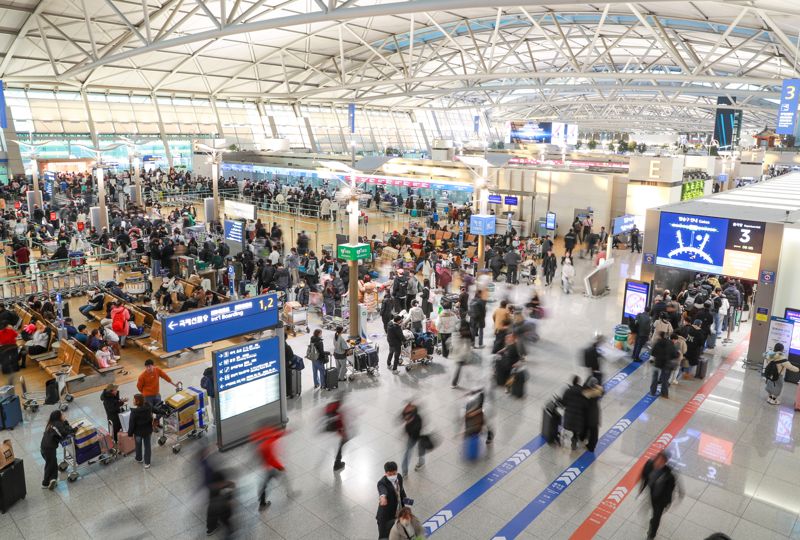
Incheon International Airport Corporation is adopting the Schiphol Airport model of securing space in advance and a non-interrupted, phased transition approach as the core model for the Terminal 1 comprehensive improvement project. Incheon Airport Terminal 1 has currently completed its basic design and is in the 60% stage of the detailed design; the plan is to proceed with remodeling work sequentially by dividing the area into three sections without the complete closure of the terminal.Schiphol's maintenance of a 'one-terminal concept' structure that organically connects the entire building, while reducing the minimum transfer time (MCT) for transit passengers to 45 minutes, is also a benchmarking factor. Overcoming the limitations of the Dutch domestic market, which numbers only about 17.1 million people, Schiphol maintains a transit network centered on 320 direct routes.
Incheon Airport plans to meet legal safety standards and reduce maintenance costs by completely replacing aging mechanical, electrical, telecommunications, and firefighting facilities through the remodeling of Terminal 1.
In addition, the plan envisions strengthening aviation security by fully implementing the Electronic Data Screening (EDS) method in the Baggage Handling System (BHS), and establishing intuitive passenger flow through the creation of an integrated immigration hall and the rearrangement of duty-free and commercial areas.
An official from Incheon International Airport Corporation stated, "The case of Schiphol Airport demonstrates that securing alternative spaces in advance and establishing meticulous construction plans from the design stage are essential when improving facilities at large operating airports," adding, "We will complete the comprehensive improvement project for Terminal 1 without interruption and without passenger inconvenience by closely cooperating with tenants and relevant organizations from the initial design phase."
[email protected] Kim Dong-ho Reporter