A Child Named ‘Mikasa’ from Attack on Titan, a ‘One Piece’ Flag at Protests: Japanese Anime Woven into Indonesians’ Lives [Southeast Asia in Focus]
- Input
- 2026-09-02 06:00:00
- Updated
- 2026-09-02 06:00:00

Like Astrid, parents in Indonesia continue to name their children after characters from Japanese anime. Names such as Mikasa Ackerman, Naruto, Sasuke Uchiha and Monkey D. Luffy have become actual names used by local residents. The names appear to reflect parents’ desire to pass on not only their love of Japanese anime but also the characters’ personalities and values to their children.
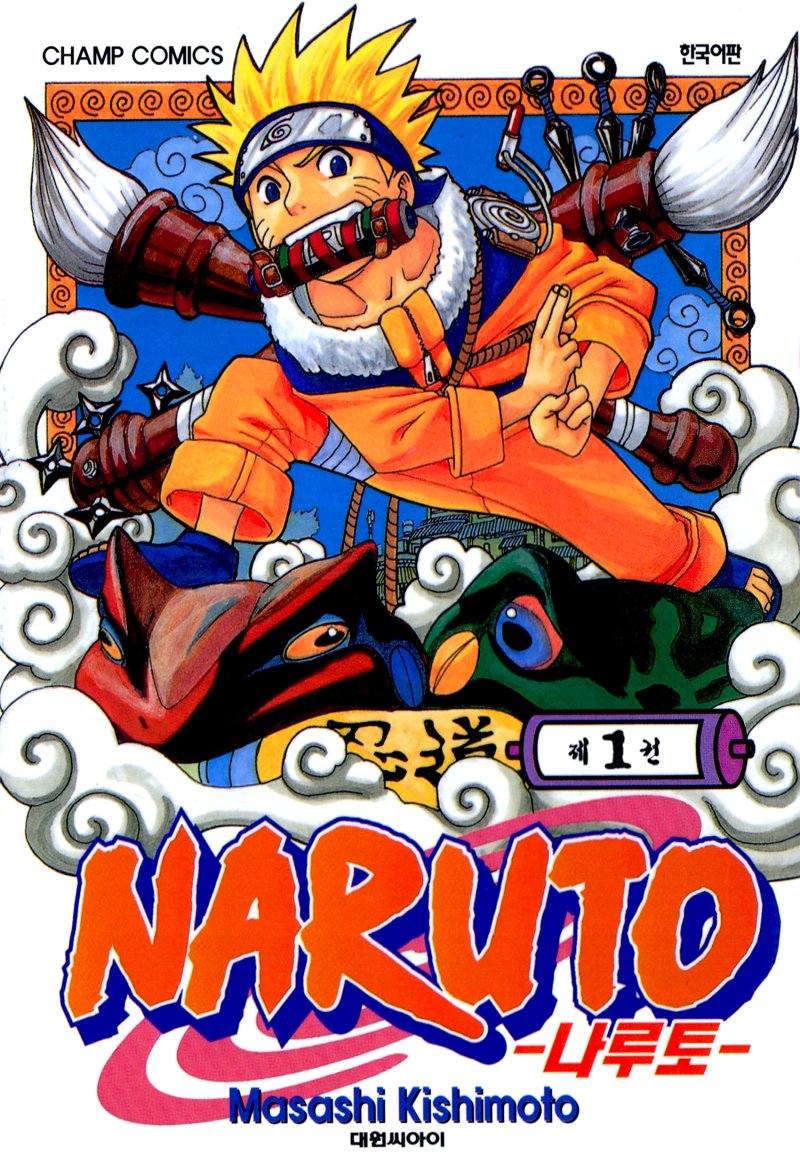
The most common name was ‘Uzumaki,’ recorded for 190 people. It is presumed to have been taken from Naruto Uzumaki. This was followed by Nobita, the protagonist of Doraemon, with 181 people; Sasuke Uchiha, taken from Uchiha Sasuke in Naruto, with 158; Naruto, with 157; and Uchiha, with 152.
There were also 79 residents with the same name as Monkey D. Luffy, the protagonist of One Piece. Other names identified included Shin-chan, taken from the Japanese title of Crayon Shin-chan, with 65 people; Boruto, with 60; Usopp, a character from One Piece, with 37; Inuyasha, with 23; Doraemon, with 16; and Suneo Honekawa, a character from Doraemon, with eight.
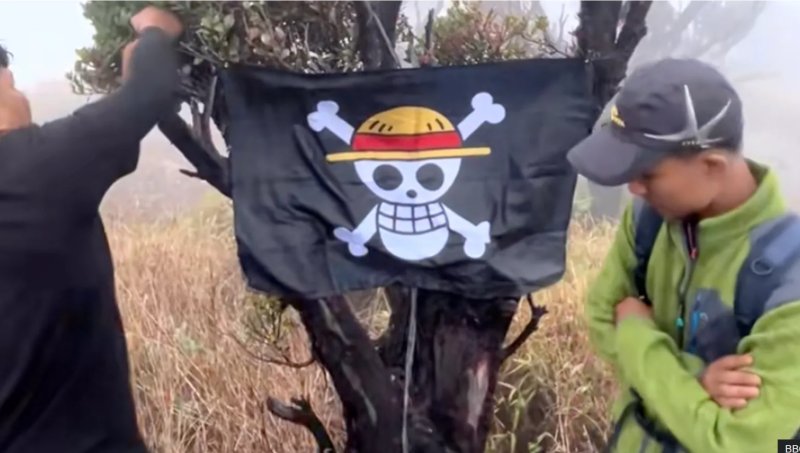
The influence of Japanese manga extends beyond names into the social and political spheres. Last year in Indonesia, ahead of Independence Day, protests against government corruption, unemployment and budget cuts spread, with demonstrators raising the pirate flag, or Jolly Roger, from One Piece and painting related murals. Citizens and students projected their own reality onto One Piece’s world, which stands against authoritarianism, and expressed their discontent by flying pirate flags instead of the national flag.
Foreign media outlets, including the British Broadcasting Corporation (BBC), also analyzed how the setting in which Luffy and his crew confront an oppressive World Government and corrupt forces in One Piece resonates with the reality of Indonesian youth facing unemployment, tax increases and political corruption.
[email protected] Jun-seok Kim Reporter