"Preserve My Joints With My Own Fat"... Delaying Knee Replacement Surgery [Health Talk]
- Input
- 2026-09-01 15:32:44
- Updated
- 2026-09-01 15:32:44
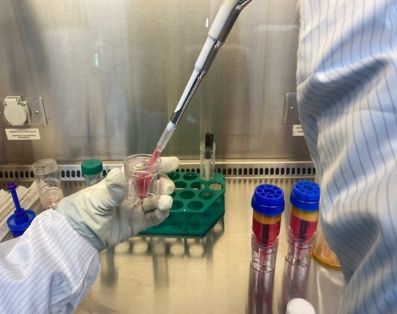
[Financial News] Among 100 patients aged 65 and older with stage 3 arthritis who received autologous adipose-derived stromal vascular fraction (SVF) injection therapy, only about 1% underwent knee replacement surgery within two years, according to a survey.
As society ages and more people seek an active later life, treatment for degenerative knee arthritis is also shifting away from surgery as the default option and toward preserving the natural joint.
In particular, among patients aged 65 and older with moderate-stage, or stage 3, arthritis who are approaching the point of knee replacement, autologous adipose-derived stromal vascular fraction (SVF) injection therapy has recently been discussed as one non-surgical management option.
Yonsei Sarang Hospital, a joint-specialty hospital designated by the Ministry of Health and Welfare (MOHW), followed 100 patients aged 65 and older with stage 3 arthritis who received SVF injection therapy for two years. The hospital found that only about 1% switched to knee replacement surgery.
The result suggests that appropriate non-surgical, joint-preserving treatment may help delay the timing of surgery for a certain period.
Stage 3 degenerative arthritis is when cartilage damage has progressed significantly, leading to more severe pain and difficulty walking. For older patients aged 65 and above, many of whom also have chronic conditions such as high blood pressure or diabetes, knee replacement surgery involving general anesthesia or an incision can feel burdensome.
Autologous adipose-derived SVF injection therapy involves collecting fat tissue from the patient's abdomen or thigh, centrifuging it, and injecting the resulting stromal vascular fraction into the knee joint space. The fraction contains a variety of cellular components, including stem cells, vascular cells, and immunomodulatory cells, which are believed to help reduce inflammation and improve the joint environment.
Because the treatment uses the patient's own tissue, the risk of immune rejection is relatively low. It is also delivered by injection, so the physical burden is comparatively light.
Go Yong-gon, director of Yonsei Sarang Hospital, said, "The key to treating knee arthritis is how long patients can safely use their own joints without pain." He added, "The data showing a 1% surgery conversion rate in this two-year follow-up can be understood as one treatment strategy in which SVF therapy helps delay surgery for older patients and improve their quality of life."
[email protected] Medical Reporter Jeong Myeong-jin Reporter