"Japanese consumers tasted it, and buyers were sold" at the largest-ever K-food fair [Report]
- Input
- 2026-09-01 15:26:45
- Updated
- 2026-09-01 15:26:45
[Financial News, Tokyo = Seo Hye-jin, correspondent] "In the past, we had to start by explaining what tteokbokki was. Now, Japanese consumers compare it with the tteokbokki they have already tried and judge the taste."
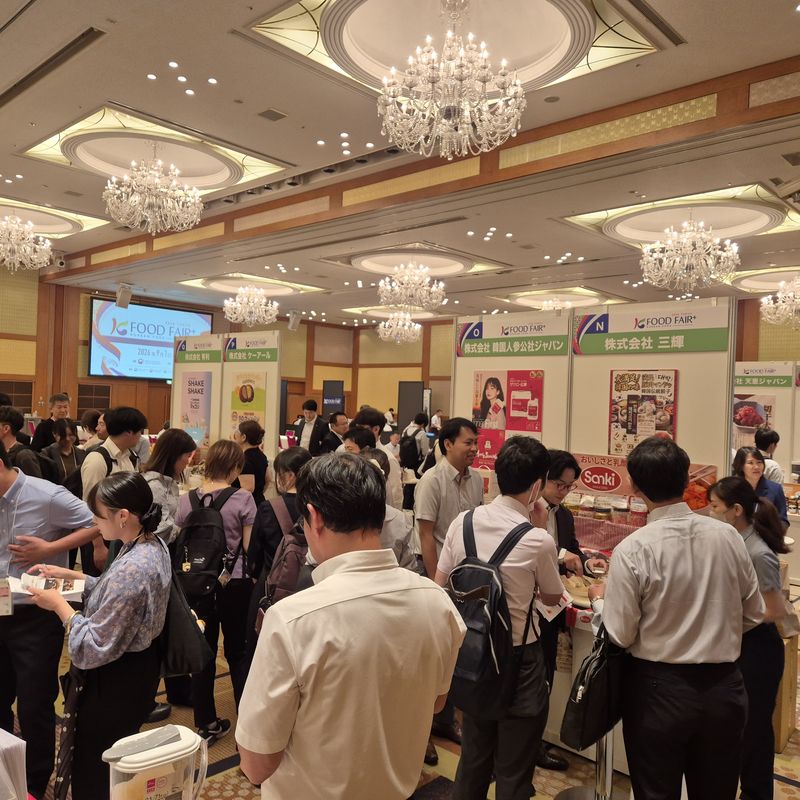
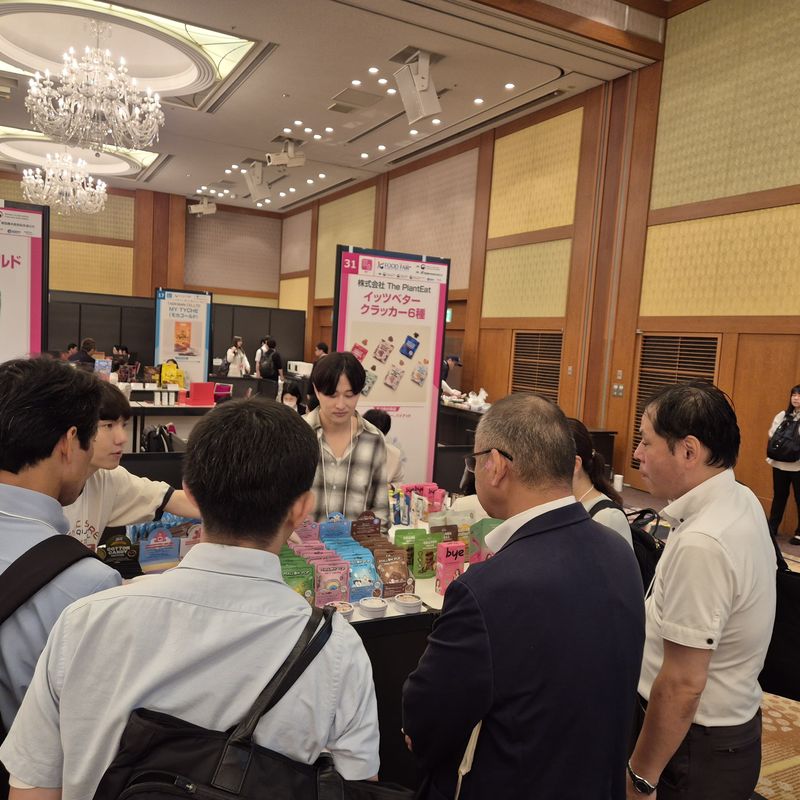
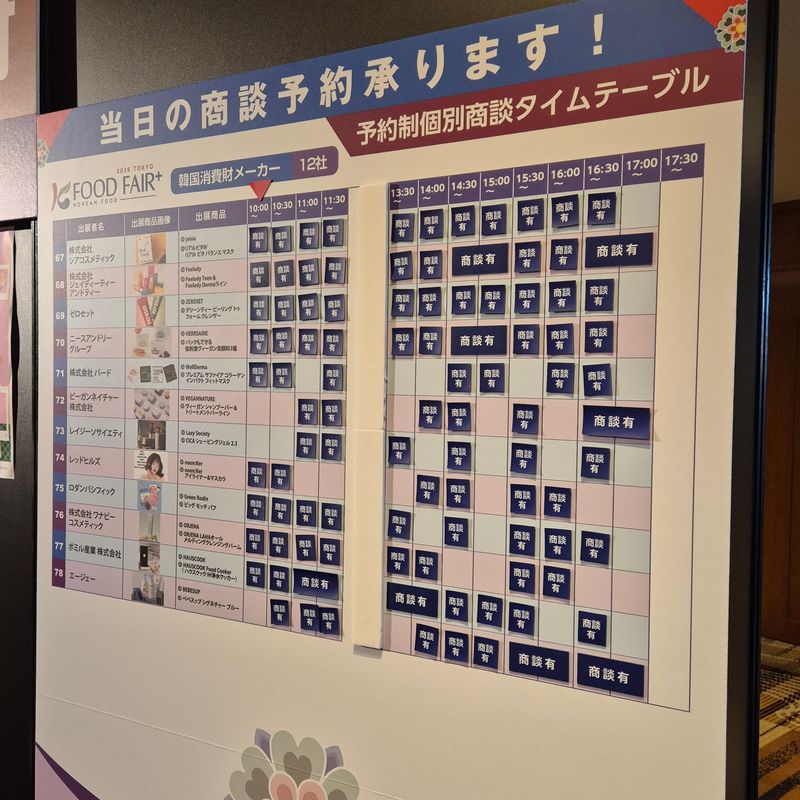
At the "2026 Tokyo K-Food Fair+" held on the 1st at the Shinagawa Prince Hotel in Tokyo, Japan, the consultation board in the center of the venue was filled with schedules for Korean companies and Japanese buyers. Blue marked pre-arranged meetings, while red indicated additional consultations requested on-site by buyers who had seen the products. At each table, Korean companies, Japanese buyers, and interpreters sat face to face, tasting products and carefully reviewing price, packaging, and shelf life.■ Beyond convenience foods: health, beauty, and fresh produceOn the day, Japanese buyers focused their attention on convenience foods, frozen foods and desserts, and health and beauty products.
Convenience foods such as tteokbokki, japchae, and samgyetang, which only need to be heated, continued to enjoy steady popularity. Japanese consumers also showed interest in a product that makes fresh kimchi by putting cabbage and seasoning into a bag and shaking it, saying, "Can kimchi really be made this easily?"
Frozen potato bread and sweet potato bread also emerged as promising new export items. An official at aT explained, "Since the COVID-19 pandemic, Japan's refrigerated and frozen logistics network has expanded, lowering the barrier to entry for frozen bread and desserts."
Health and beauty products such as pumpkin tea, edible collagen, and kombucha were also popular. Pumpkin tea, known in Korea for helping with swelling, drew comments such as, "I want to buy this at a drugstore near my home." Japanese consumers, however, preferred smaller packs of around 10 tea bags rather than boxes of 30.
Fresh produce such as Korean melons, zucchini, chili peppers, grapes, and peaches is also being considered for export expansion. A new melon variety, which began shipping in Korea this year, was displayed at the venue. Only four farms are currently cultivating it, but the plan is to develop it as a new item aimed at the Japanese market.
An aT official said, "Buyer interest is high in easy-to-prepare foods and health and beauty products," adding, "We also want to expand exports of fresh produce such as Korean melons to nearby Japan."
At the traditional liquor promotion booth, one attendee who tasted ihwa-ju, a thick-textured rice wine, said, "It feels more like eating dessert than drinking alcohol." Makgeolli made with Bokbunja was described as "softer than expected."■ Winning over buyers with tastings from 166 consumersKorean companies used the results of a tasting event conducted the previous day with 166 Japanese consumers in their consultations on this day. Consumers sampled products in groups of eight to 10 per company and evaluated taste, price, packaging, and purchase intent. Companies highlighted positive reactions as strengths and proposed improvements for the points that drew criticism.
A total of 78 Korean companies took part in the event, including 66 food companies and 12 consumer-goods firms in food tech and cosmetics. Thirty Japanese importers and more than 200 buyers also attended. It was the largest event ever held in terms of Korean participating companies.
The biggest barrier in the Japanese market is its complex distribution structure. There are about 350 regional food distributors, and Korean products typically pass through importers and several layers of vendors before reaching large supermarkets.
An aT official explained, "The purpose of the event is to bring importers, vendors, and distributors together in one place and reduce trial and error for small and medium-sized companies."
The Ministry of Agriculture, Food and Rural Affairs (MAFRA) and aT collaborated for the first time with the Ministry of SMEs and Startups, the Korea Small and Medium Venture Business Distribution Center, the Ministry of Trade, Industry and Energy, and the Korea Trade-Investment Promotion Agency (KOTRA). The target value for export consultations on the day was about $55 million, or roughly 79.7 billion won.
[email protected] Seo Hye-jin Reporter