Jeju police add 25 more cases to 298 missing-person files as 'improper,' with 10 never safety-checked
- Input
- 2026-09-01 14:21:58
- Updated
- 2026-09-01 14:21:58
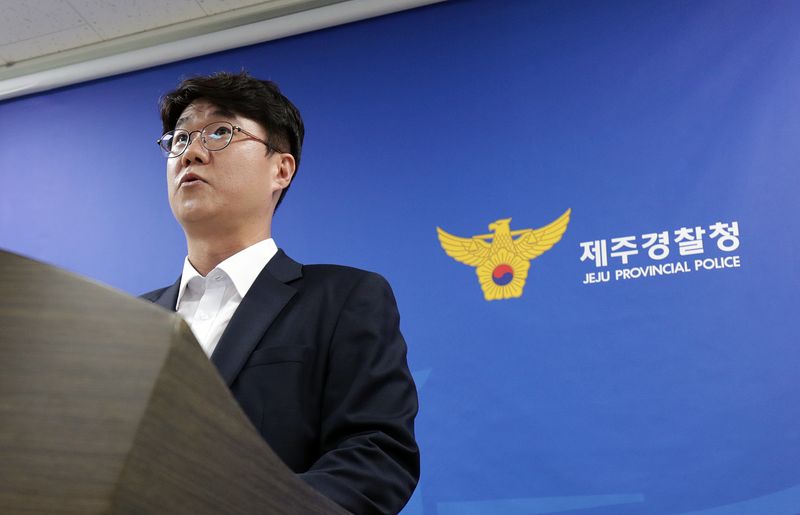
[Financial News, Jeju = Reporter Jung Yong-bok] A police officer who was sent to prosecutors in custody on suspicion of falsely closing two missing-person reports in Jeju is now facing 25 additional cases of suspected improper handling after police reexamined 298 missing-person cases he handled. Of those, 10 are suspected of having been closed without confirming the missing person's safety, while 15 were found to have had false closure reasons entered into the missing-person profiling system even though the person's whereabouts had been confirmed.
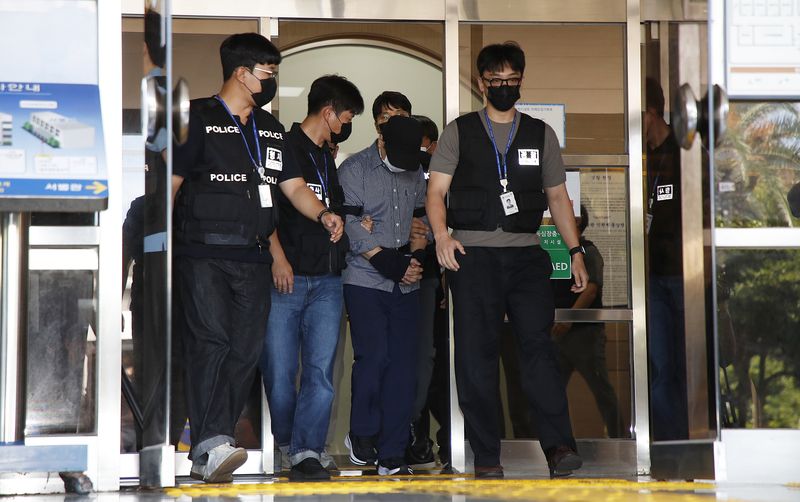
The Jeju Provincial Police Agency held an official briefing at its press room on the morning of the 1st and released the results of its investigation into the false closure case involving Officer A, 34, of the Jeju Western Police Station, along with the first full review of the 298 cases. Police sent A to the Jeju District Prosecutors' Office in custody that day on charges of falsifying and using public electronic records, obstructing official duties by deception, and neglect of duty.
In the first review, 10 of the newly identified 25 cases are suspected of being closed as if the missing person had been located, even though A had not contacted the person or checked whether they were safe. Including the two cases already investigated as criminal cases, the number of cases closed without confirming safety rises to 12.
The remaining 15 cases are different. Police found that the missing person's whereabouts and safety had been confirmed, but A entered false closure reasons such as 'traffic accident victim,' 'unnatural death,' and 'murder' into the missing-person profiling system.
Police have classified the 10 cases closed without safety checks as suspected false closures and the other 15 as false-record cases, and are continuing the investigation. All 25 missing persons later confirmed in the review were found to be safe through face-to-face contact or phone calls.
When the two cases already under investigation are added to the 25 newly identified ones, the first review has uncovered 27 suspected or confirmed improper-handling cases. That accounts for 9.1% of the 298 cases A handled while assigned to the missing-person team.
Of the 298 cases, 157 were ordinary adult runaway cases, accounting for 52.7%. The remaining 141 cases, or 47.3%, involved missing persons who were relatively more vulnerable, including children, people with dementia, and people with disabilities.
Police conducted the first review of cases handled from March 10 last year, when A began working in the missing-person team at the Jeju Western Police Station, through July 23. They also confirmed that A had supported missing-person work in the criminal investigation team before being assigned to the missing-person team, and plan to expand the review to cases he handled during that earlier period. In other words, the 298 cases are not the final scope of the investigation.
Police also disclosed their analysis of A's motive on the day.
During questioning, A said he had judged the situation too casually because the missing persons were ordinary adults, and that he falsely closed the cases because leaving them open would create ongoing work and burden the next officer on duty.
Five profilers concluded that work fatigue from accumulated workload and increased responsibility played a role, combined with avoidant coping and an irresponsible attitude.
However, questions remain about the handling methods that have already been confirmed and still require further clarification.
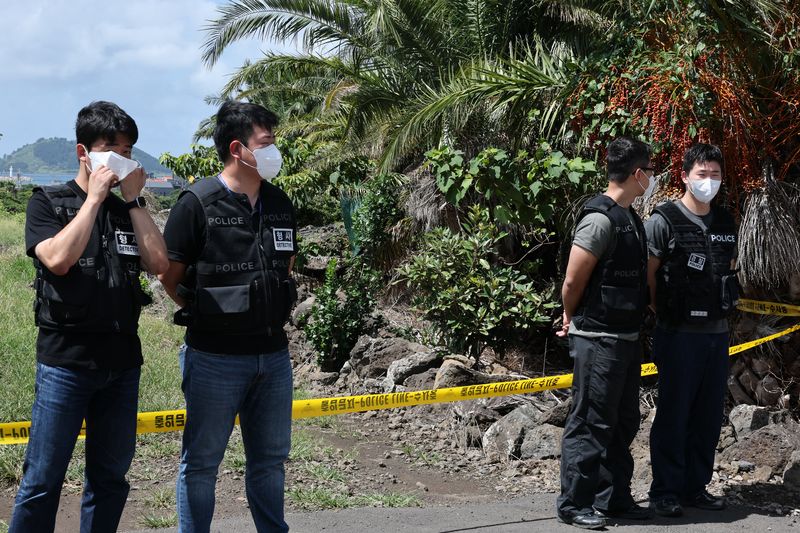
In May, A falsely closed the missing-person report of a woman in her 30s, identified by her surname Jang, and then entered 'death in a traffic accident' into the missing-person profiling system to remove her from the management list. Police found that he said he deleted the record because he feared the false closure would later be exposed.
In the case of a man in his 60s reported missing in July, the false closure passed internal approval. A recorded the case as if contact had been made, even though he had not actually spoken with the missing person, and closed it as 'whereabouts found.' Police believe he did so because there was already a record that the reporter had consulted with another officer, and he thought deleting the case itself could expose the false handling.
The false information entered by A was finalized after approval from his superiors. After the family learned of the false closure, they filed a new missing-person report on August 21, and the man was found dead in Gujwa-eup, Jeju-si, the next day, August 22.
A key issue in the follow-up inspection is why supervisors failed to catch the false records. What materials were used to verify the missing person's actual safety during the approval process, and whether the officer's records were checked against objective evidence, are central questions in determining supervisory responsibility. However, police did not disclose how many of the 25 newly identified cases went through supervisory approval.
The overall handling structure of the 298 cases also needs further review. According to data previously released by police, 235 of the 298 cases were directly closed in the missing-person profiling system, while 63 were either never entered into the system or were deleted after registration.
Police did not disclose a detailed cross-classification showing where the 25 newly identified cases fall within the 235-case and 63-case categories. The specific handling process for the 63 unregistered or deleted cases, and how they relate to the newly added cases, will need to be clarified in the follow-up investigation.
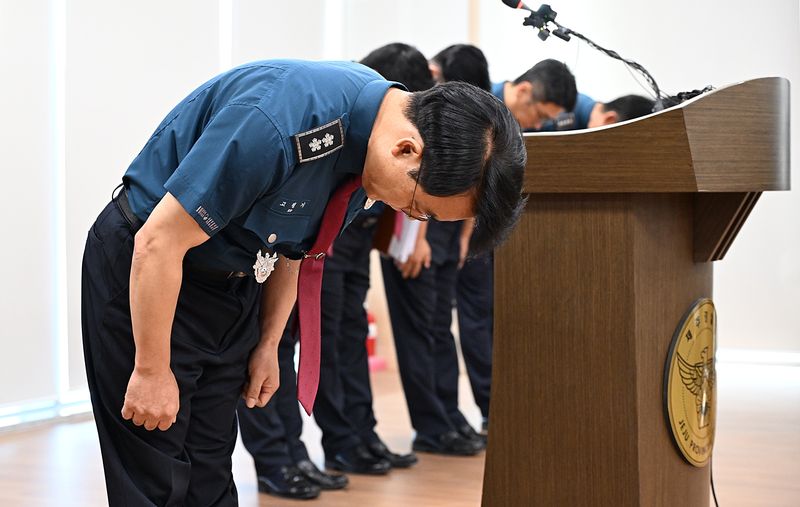
The internal inspection is also expanding beyond the supervisory line to cover the entire process from case intake to closure. Police are verifying facts involving not only the supervisory chain, including former and current chiefs of the Jeju Western Police Station, the head of the criminal investigation division, and the head of the missing-person team, but also fellow officers, field response procedures, and the handling of reports at the 112 General Situation Room.
If the inspection finds that managers or related officers knew about the false reports, or failed to take necessary action in situations where they should have suspected them, police will decide whether to impose disciplinary action or refer the matter for a criminal investigation.
The cause of death of the woman in her 30s has also not yet been confirmed. According to the National Forensic Service, decomposition of the body makes it difficult to determine the exact cause of death, though hanging cannot be ruled out. Police are examining all possibilities based on mobile forensics and a reenactment of the scene.
What began as a case in Jeju has spread into a broader review of the national missing-person investigation system.
The National Police Agency will reexamine about 310,000 missing-person cases closed nationwide over the past three years by the end of November. As of August 28, about 15,100 cases had been reviewed, and no cases with serious problems have been reported so far.
The way missing-person cases are closed will also change. Police plan to restrict non-face-to-face closures based solely on phone contact and, when the assigned officer cannot meet the person directly, confirm safety through officers with jurisdiction over the missing person's location or through related agencies.
Managers such as the head of the criminal investigation division will be required to approve case closures only after confirming face-to-face contact with the missing person, how identity was verified, and objective evidence showing that safety was secured. Police are also considering a plan for the police chief and the head of the criminal investigation division to review missing-person reports received the previous day on a daily basis.
Personnel issues are also being addressed. Police say that 111 of the country's 148 dedicated missing-person teams, or 75%, have only one officer on night duty. The agency plans to adjust staffing and task assignments so that at least two officers can work at night and on holidays.
Still, the fact that the false record in the case of the man in his 60s had already passed supervisory approval remains a challenge for reform. The effectiveness of the new closure procedure will likely depend not simply on adding another approval step, but on whether phone records, location data, field response details, and computer edit and deletion logs are actually compared with objective evidence.
The existing two cases involving A have been sent to prosecutors, but the Jeju police investigation is not over. Authorities still need to determine criminal liability in the 25 additional cases, the circumstances of the unregistered and deleted cases, cases handled before A joined the missing-person team, and the responsibility of the supervisory chain.
As the reexamination of 298 cases in Jeju has led to a nationwide review of 310,000 cases, how specifically police disclose the results of future investigations and inspections is likely to become a test of public trust in the missing-person investigation system.
[email protected] Jung Yong-bok Reporter