Health Insurance Coverage Expanded for Dravet Syndrome Drug Pintepla Liquid... Patient Burden Cut by 90%
- Input
- 2026-09-01 14:02:46
- Updated
- 2026-09-01 14:02:46
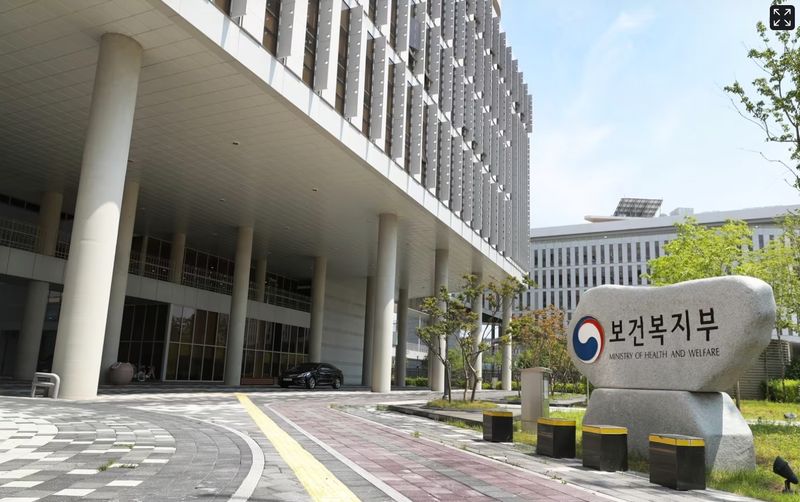
On the 1st, the Ministry of Health and Welfare (MOHW) announced that it will apply health insurance coverage to Pintepla Liquid, a treatment for Dravet syndrome.
Dravet syndrome is a rare form of epilepsy in which seizures begin within the first year after birth. It causes repeated severe seizures and developmental delays. Because treatment is difficult and medication costs are high, annual medical expenses per patient had reached about 100 million won. With the new coverage, the patient burden is expected to fall to around 10 million won.
Pintepla Liquid also reached insurance coverage more quickly through a pilot program that runs approval, assessment, and negotiation in parallel with the Ministry of Food and Drug Safety's approval process. The procedure, which previously took about 240 days on average, has been shortened to 126 days.
Polivy, used for patients with diffuse large B-cell lymphoma, will also be newly covered by health insurance. As a new drug used in early treatment, where options had been limited, it is expected to reduce patients' treatment costs.
Coverage for Blincyto, a childhood leukemia treatment, will also be expanded. Until now, insurance had mainly applied to cases of relapse or resistance to previous treatment. Going forward, it will also be covered in the stage of removing tiny cancer cells that may remain after the first round of chemotherapy.
The ministry said the expanded coverage in early treatment will help lower the risk of recurrence and improve the chances of a cure, especially since precursor B-cell acute lymphoblastic leukemia has a high incidence rate among children under 5.
Support for the stable supply of essential medicines will also continue. Protamine Sulfate Injection, which is needed to control blood pressure and stabilize circulation in newborns and premature infants, has been newly designated as an essential medicine protected from market withdrawal, and supply stabilization will be pursued through cost compensation and other measures.
Tuberculin PPD AJV Injection, a tuberculosis diagnostic reagent whose supply had been at risk due to rising import costs, will keep domestic supply stable by quickly reflecting the higher import price in the drug price.
Yu Joo-heon, director of the Health Insurance Policy Bureau at the MOHW, said, "We will continue to push for the rapid application of health insurance to treatments for severe and rare diseases, and ensure that essential medicines for medical care can be supplied stably."
[email protected] Jung Sang-hee Reporter