Trump's New Iran Strategy Is Like a "Lawn Mower"...Repeated Limited Airstrikes
- Input
- 2026-09-01 15:20:45
- Updated
- 2026-09-01 15:20:45
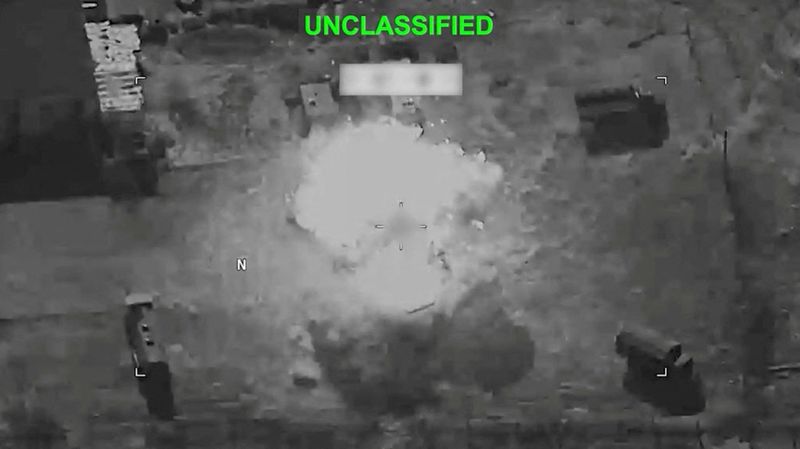
[Financial News] As U.S. President Donald Trump has declared that military strikes on Iran will resume, speculation is mounting over how intense the attacks may be. One official compared the idea to a "lawn mower," saying Trump could carry out limited strikes repeatedly to prevent Iran from obstructing passage through the Strait of Hormuz.
Axios reported on the 31st of last month, citing three U.S. officials, that Washington is reviewing a plan to periodically launch limited airstrikes around the Strait of Hormuz to weaken Iran's military capabilities. One official described the move as "mowing the lawn," saying it would reduce the risk of Iranian attacks on U.S. ships and tankers.
Since February, the United States has been striking Iran and pounded Iranian military equipment and facilities until the April ceasefire. The U.S. later continued sporadic clashes around the time of a June memorandum of understanding ending the war. From July 30 until the 29th of last month, Washington did not officially attack Iran after halting airstrikes. The Trump administration, which had been criticized over ammunition shortages, appeared to be pursuing a diplomatic and economic solution through sanctions rather than physical attacks when it announced sweeping economic sanctions targeting Iran on the 24th of last month. U.S. Treasury Secretary Scott Bessent said in an interview on the 31st of last month that the purpose of the Iran sanctions was "to make them want to negotiate."
The U.S. military, however, was considering resuming military action. CENTCOM, which oversees operations against Iran, assessed that Iran was rebuilding its anti-ship missile capabilities and radar and air-defense systems in the Strait of Hormuz. A source said recent Iranian anti-air missiles were fired at U.S. F-35 fighters escorting ships in the strait, heightening concern within the U.S. military about Iran's military recovery. According to the source, CENTCOM had already drawn up a strike plan for the Strait of Hormuz and won the approval of U.S. Secretary of Defense Pete Hegseth, while waiting for Trump's approval. CENTCOM also told the Joint Chiefs of Staff and the White House that it may need to strike Iran periodically to ensure dozens of tankers can pass through safely each day.
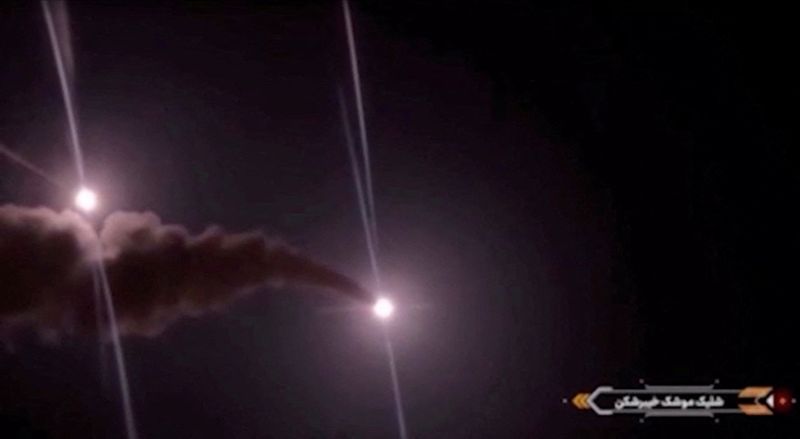
The source explained that until just last week, Trump had leaned toward not authorizing strikes in order to avoid escalating tensions with Iran. That stalemate was broken when the United States struck Iranian rocket launchers in the Strait of Hormuz on the 30th of last month. At the time, Washington claimed Iran had planned to attach mines to rockets and remotely scatter them in the strait. Iran retaliated that same day with airstrikes on two U.S. bases in Jordan.
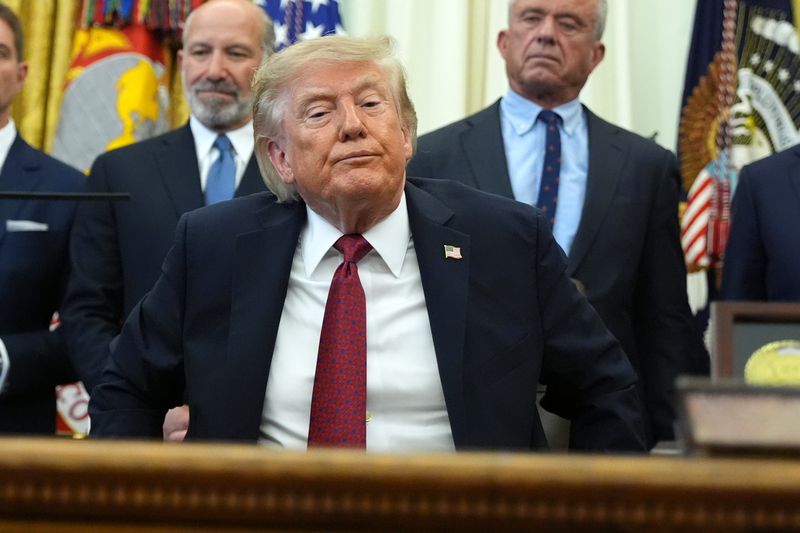
Axios suggested that the clash on the 30th of last month could change Trump's mind. Fox News reported on the 31st of last month that Trump had referred to a "strong strike" against Iran. Meeting reporters that same day, he called Iran "a failed state," but added, "That doesn't mean we won't hit them. Let's see what happens."
That same day, an adviser to Mohammad Reza Naqdi, commander of the Islamic Revolutionary Guard Corps (IRGC), told Lebanese outlet Al Mayadeen, "We still have 90% of our missiles intact." He added, "Our missile arsenal is continually being replenished with new missiles, and production far exceeds usage."
It remains unclear, however, whether Trump will carry out the kind of powerful attack he has described. An Iranian official claimed that the United States hit only two rocket launchers in the airstrikes on the 30th of last month, arguing that the two sides are in a "limited and controlled confrontation." At the White House on the 31st of last month, Trump said of the war with Iran, "It's a relatively small war for us. It's not a big war."
[email protected] Park Jong-won Reporter