Sudden Death of Actor Lee Yong-joo in His 40s Raises Alarm: "People in Their 30s and 40s Are Not Safe Either"
- Input
- 2026-09-01 09:21:24
- Updated
- 2026-09-01 09:21:24
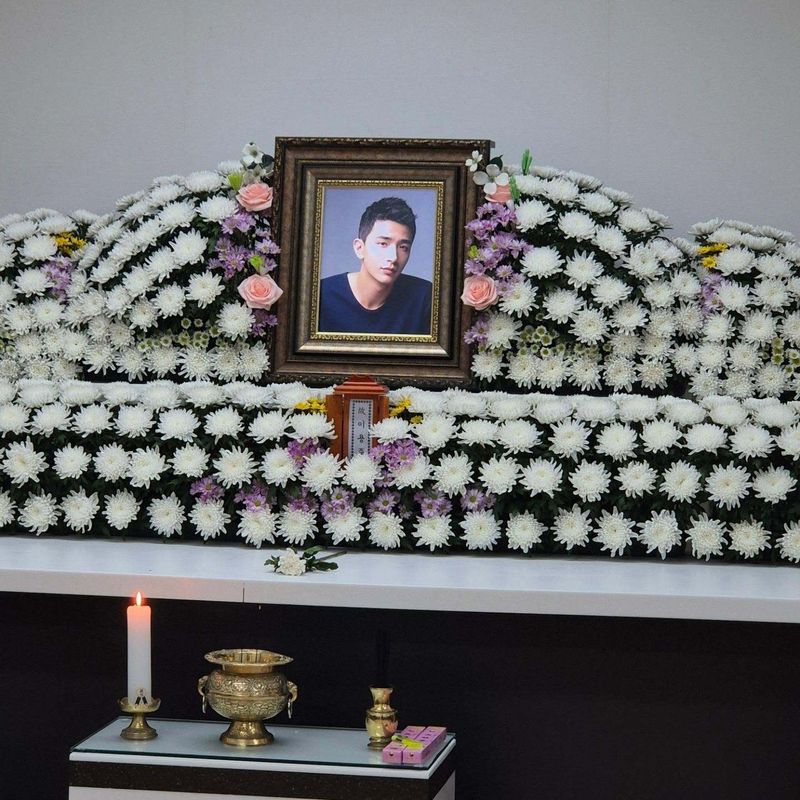
[Financial News] Among domestic patients with acute cardiac arrest, those aged 50 or younger account for about 15% to 20%, or more than 5,000 people a year.
Actor Lee Yong-joo, who had recently been familiar to the public through popular sitcoms and other shows, died suddenly at the age of 44, shocking the public. His death was reported to have been caused by an acute heart attack stemming from hypertrophic cardiomyopathy, a rare disease. The sudden loss of a young actor in his 40s, who had remained highly active, has also served as a wake-up call for people in their 30s and 40s who believed they were in good health.
In medical terms, sudden death refers to a death of unknown cause within one hour after symptoms appear, and about 80% to 90% of such cases are linked to heart problems.
Lee Hyun-guk, head of the cardiovascular center at Busan On Hospital, said, "People aged 50 or younger account for about 15% to 20% of acute cardiac arrest cases in Korea, or more than 5,000 people a year." He added, "When sudden death occurs in people in their 30s and 40s, who are at the peak of social and economic activity, the personal and social losses are enormous, so special caution is needed."
Sudden death in younger age groups has different causes from that in older adults. Lee noted, "In people in their 20s and early 30s, the main causes are often genetic conditions such as hypertrophic cardiomyopathy, in which the heart muscle becomes abnormally thick, or inherited disorders that trigger fatal arrhythmias. But in the late 30s and 40s, the share of acute myocardial infarction, in which arteries to the heart become blocked due to atherosclerosis, rises sharply."
The problem is that younger people often overestimate their health and ignore warning signs from their bodies. Pain or tightness in the center of the chest, unexplained shortness of breath, dizziness, and sudden cold sweats are among the classic warning signs from the heart. Yet many young office workers dismiss these symptoms as simple fatigue, indigestion, or stress, and end up missing the golden hour.
From a medical standpoint, the key preventive measure is to identify risk factors early through regular, detailed checkups. A basic electrocardiogram included in the National Health Screening Program has limits when it comes to detecting hypertrophic cardiomyopathy or the early stages of angina. Therefore, if a close family member died suddenly before the age of 50 or has a history of heart disease, or if you have experienced chest tightness or fainting, you should undergo echocardiography, 24-hour Holter monitoring, or coronary CT angiography (CTA) to closely examine structural abnormalities in the heart and any narrowing of the blood vessels.
As for daily habits, people need to make sweeping changes to routines that harm vascular health. Jang Kyung-tae, a senior manager at the cardiovascular center at Busan On Hospital, stressed, "Smoking, excessive drinking, and overwork are major risk factors that sharply constrict blood vessels and increase the burden on the heart. The fact that most heart attack patients in their 30s and 40s are smokers is highly significant."
In everyday life, people should quit smoking immediately and strengthen cardiopulmonary function by doing aerobic exercise consistently at least three to five times a week for 30 minutes or more each session. However, someone who has not exercised regularly should be careful about suddenly starting high-intensity workouts or anaerobic exercises such as lifting heavy weights, as blood pressure can spike instantly and place a heavy strain on the heart. It is also important to reduce salt intake and maintain a diet centered on vegetables and fish to keep blood pressure, blood sugar, and cholesterol at appropriate levels.
Lee said, "Sudden death may seem to strike without warning, but it can be prevented through medical checkups and proper lifestyle habits." He added, "Young people should no longer ignore the subtle warning signs their bodies send and must make a proactive effort to respond early."
[email protected] Medical reporter Jung Myung-jin Reporter