U.S. Treasury Secretary Bessent Meets BOJ Governor and Finance Minister in Back-to-Back Talks, Raising Pressure for September Rate Hike
- Input
- 2026-09-01 08:23:02
- Updated
- 2026-09-01 08:23:02
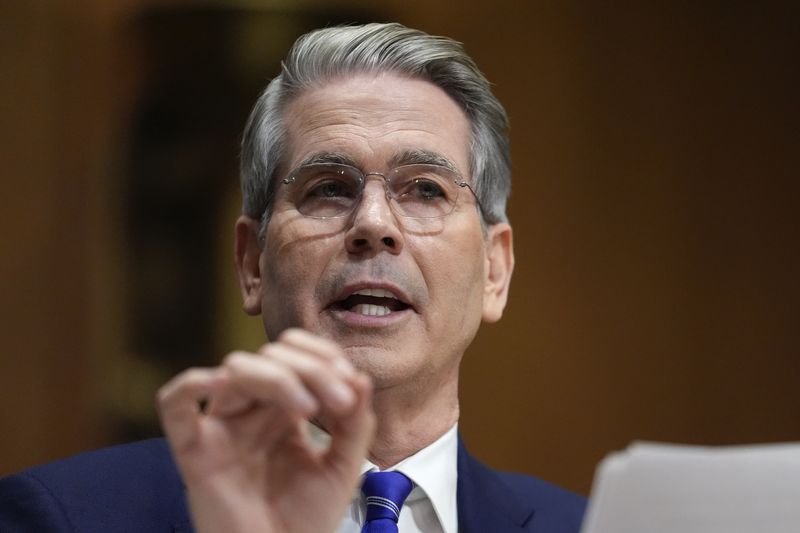
With the BOJ's Monetary Policy Meeting approaching later this month, attention is focused on whether U. S. pressure for Japan to normalize monetary policy will strengthen the case for another rate hike. According to NHK, Bessent met Ueda on July 31 local time while the BOJ governor was visiting the United States to attend the Group of Twenty (G20) finance ministers and central bank governors meeting.
He also met with Katayama. Erin Browne, undersecretary for international affairs at the U. S. Department of the Treasury, told NHK that Bessent conveyed to both officials that "it is important for Japan's next steps to clearly show the market a path toward fiscal sustainability and higher interest rates.
" In Japan, the meetings are being viewed as more than a simple exchange of views between U. S. and Japanese financial and monetary authorities. The Nihon Keizai Shimbun, or The Nikkei, reported that Bessent sees the BOJ's delay in raising rates as a major cause of yen weakness.
The paper also noted that Bessent had been signaling a meeting with Ueda since the late-July joint U. S. -Japan foreign exchange intervention. It analyzed that he had been "closing in on the BOJ ahead of the September Monetary Policy Meeting.
" The U. S. push for higher Japanese rates is driven not only by the weak yen but also by concerns over the U. S.
Treasury bond market. If Japanese rates rise, life insurers and institutional investors in Japan may have less incentive to hold dollar assets such as U. S. Treasury bonds while taking on exchange-rate risk.
That would mean movements in Japanese rates and the yen could also affect long-term U. S. interest rates and funding costs. Markets are already quickly pricing in the possibility of another BOJ rate hike.
According to The Nikkei, the market-implied probability of a September rate increase has climbed above 70%.
[email protected] Seo Hye-jin Reporter