U.S. Treasury Secretary Bessent Expects Japanese Government and BOJ to Push Yen Higher
- Input
- 2026-09-01 06:20:49
- Updated
- 2026-09-01 06:20:49
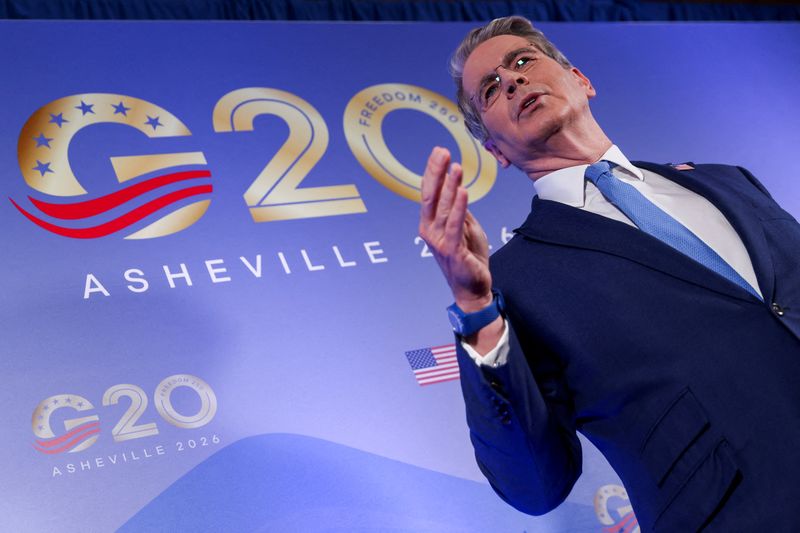
[Financial News] Scott Bessent, United States Secretary of the Treasury, said Japan's government and the Bank of Japan (BOJ) will take steps that could strengthen the Japanese yen, adding weight to expectations that Japan may raise interest rates in September.
According to major foreign media outlets, including CNBC, Bessent said in an interview during the G20 finance ministers and central bank governors meeting in Asheville, North Carolina, on July 31 local time, "I have information the market does not know," and added, "I believe the Japanese government and the BOJ will take measures to encourage yen strength."
When asked whether that meant a rate hike, Bessent replied, "I think the market is already pricing that in." He had previously told BOJ Governor Kazuo Ueda that he would "do the right thing" in response to the yen's decline, and the two are expected to hold a separate meeting during the G20 gathering.
Following Bessent's repeated remarks, the yen strengthened against the U.S. dollar. Still, the currency was trading around 159.73 yen per dollar on the 31st, near the 160 yen level widely seen as the threshold for possible intervention by authorities.
Markets expect the BOJ to raise its base rate at the policy meeting scheduled for Aug. 17-18. According to sources, the central bank is also considering a faster pace of rate hikes after a September increase, beyond its usual twice-a-year pattern. The BOJ also raised rates in June.
The yen's weakness has long pushed up import prices and added to inflationary pressure in Japan, with the wide interest-rate gap with the United States cited as a major cause. On July 31 last year, U.S. and Japanese authorities carried out an unusual joint intervention to buy yen, but it did not prevent the currency's weakness over the long term.
Meanwhile, Bessent recently said the yen's moves were "not disorderly," signaling that the United States does not intend to join any immediate additional market intervention.

[email protected] Yoon Jae-jun Reporter