The Regular National Assembly Session Opens... A 100-Day Battle Over Real Estate, Appointments and the Budget
- Input
- 2026-08-31 15:25:38
- Updated
- 2026-08-31 15:25:38
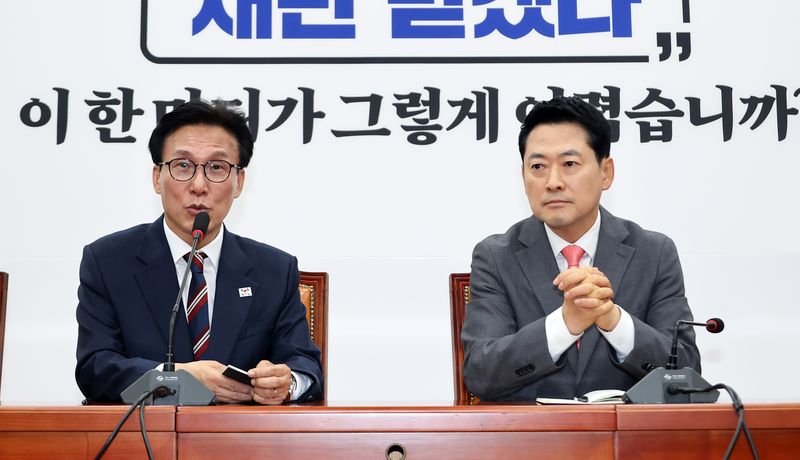
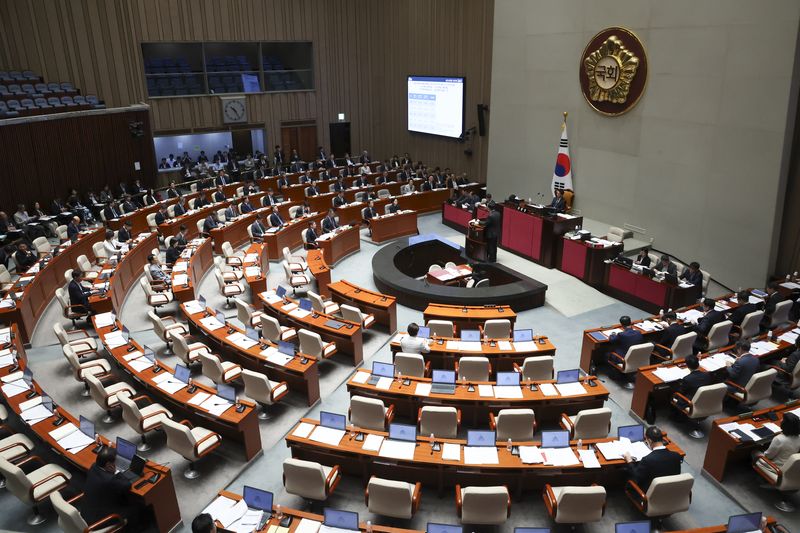
According to political sources on Aug. 31, the ruling and opposition parties will enter the Regular National Assembly session with the opening ceremony on Sept. 1. They will then hold a plenary session on Sept. 3 to handle bills, followed by floor speeches from the floor leaders of both parties on Sept. 7 and 8.
The two sides will also hold government questioning sessions on politics, foreign affairs, security, unification, the economy, society, education and culture over four days from Sept. 9 to 11 and on Sept. 14. They will then convene plenary sessions on Sept. 17 and Oct. 1 to process bills that have passed standing committees. From Oct. 6, the Parliamentary Inspection of the Administration will begin a three-week run.
'A major showdown over real estate'
Real estate is once again expected to be the main issue in this Regular National Assembly session. The Democratic Party of Korea is likely to move quickly on bills aimed at expanding housing supply. The People Power Party, meanwhile, plans to challenge the effectiveness of those measures and block any unilateral passage.A key example is the revision to the special law on Yongsan Park. The Democratic Party of Korea is expected to push for legal changes that would pave the way for development of Yongsan Park, a key site in the government's housing supply plan. However, Oh Se-hoon, the Seoul Metropolitan City Mayor from the People Power Party, and party lawmakers say the park, one of the last large public green spaces in Seoul, should not be turned into a housing supply site.
Another major bill concerns the establishment of the Real Estate Supervisory Service, which would monitor speculative real estate activity across the board. The ruling party has stressed the need for the bill, citing President Lee Jae-myung's view that real estate speculation must be rooted out. The opposition, however, argues that the agency could excessively infringe on personal data and opposes the plan.
Real estate tax reform is also expected to be a point of disagreement between the two sides. The government and the ruling party are still sticking to the principle of shifting the tax system toward residence rather than ownership. The opposition, however, takes a different view, saying even simple ownership should be broadly recognized. A clash over tax review appears inevitable.
Cabinet reshuffle ahead of the session... confirmation hearing turmoil
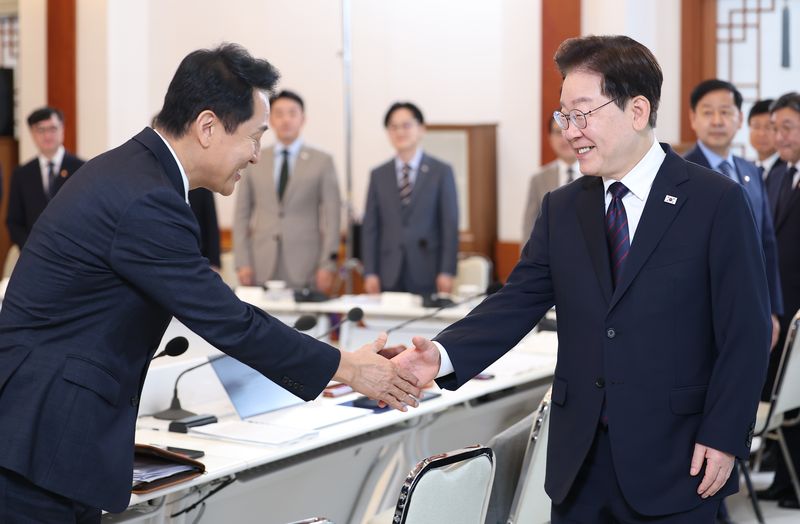
As the government carries out a Cabinet reshuffle, confirmation hearings for six ministerial nominees are also scheduled during the Regular National Assembly session. The Democratic Party of Korea has said it wants the hearings completed before Chuseok, along with the appointment process, in order to minimize any disruption to state affairs.The People Power Party, by contrast, has signaled tough scrutiny of the nominees. It is expected to focus first on Kim Seung-won, the nominee for Minister of Justice, highlighting his involvement in a "meeting to cancel indictments" and broadening its attack to Lee Jae-myung through that issue. It is also likely to raise allegations involving relatives and other corruption suspicions surrounding Yong Hye-in, the nominee for Minister of Gender Equality and Family. In addition, a confirmation hearing for Choi Gil-su, the nominee for special inspector, is also likely to be held during the session.
Some observers worry that the overlap between the Regular National Assembly session and the confirmation hearing season could actually weaken the ruling and opposition parties' legislative performance. As standing committees focus on the hearings, bill reviews may be delayed. There are also concerns that if the two sides clash sharply during the hearings, the fallout could spill over into legislation and effectively paralyze the National Assembly.
'The largest-ever budget at 800 trillion won plus alpha' also draws attention
As the government has set next year's budget at a record-high "800 trillion won plus alpha," the National Assembly's budget review process is also expected to draw close attention.The Democratic Party of Korea has repeatedly stressed full support for the budget to back the government's key policy goals. In particular, it has said it will aggressively allocate funds to the three mega-projects, securing future growth engines by region, support for young people, responses to K-shaped polarization, and stronger public safety. In effect, it appears set to maintain an expansionary fiscal stance.
The People Power Party is preparing to use the record budget size to frame the government and ruling party as pursuing populism. It is especially likely to slash cash handout-style policies during the budget review process. The party is also repeatedly emphasizing a "sound finance" argument, saying that the proposed Future Response Fund should be used to repay national debt rather than as a tool to reinvest excess tax revenue.
[email protected] Kim Hyeong-gu Reporter