Ship quarantine to shift to a risk-based system...Low-risk vessels exempt from onboard inspection
- Input
- 2026-08-31 17:26:43
- Updated
- 2026-08-31 17:26:43
The KDCA said on the 31st that it will promulgate a revision to the Enforcement Rule of the Quarantine Act, which reorganizes ship quarantine around infectious disease risk and aligns ship sanitation management with international standards.
Under the revision, vessels that have changed crew in a quarantine management area will be excluded from onboard inspection starting Oct. 1. Instead, onboard inspections will focus on vessels with a high risk of spreading infectious diseases, such as those with quarantine-disease patients or deaths, those carrying vectors, or those without a valid Ship Sanitation Certificate or with an expired one.
Until now, all vessels that changed crew in quarantine management areas were subject to onboard inspection. According to the KDCA, more than half of maritime onboard inspections over the past year were related to crew changes, but no suspected cases were found.
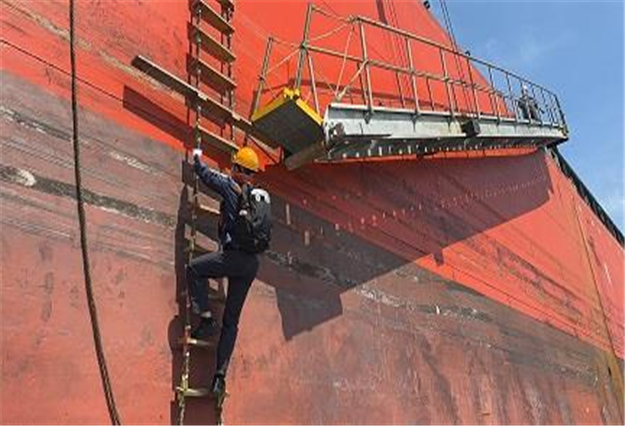
The KDCA expects the measure to allow about 10,000 low-risk vessels a year to enter after electronic document screening. It also expects shorter quarantine waiting times and less cargo-handling delay, while reducing the danger to quarantine officers who must board ships using rope ladders in high waves and strong winds.
However, onboard inspections will not disappear entirely. Field inspections may still be conducted when document verification or health checks are needed. Starting at the end of this year, sample inspections will also be introduced, with some vessels selected at random for onboard quarantine checks.
Fees for issuing Ship Sanitation Certificates will also rise on Oct. 1. The current range of 20,000 won to 100,000 won will be raised to 60,000 won to 300,000 won. The fee structure based on a vessel's gross tonnage will also be expanded from five tiers to six.
The KDCA explained that fees had been lower than those in major countries, which had led to applications being concentrated at certain ports. It said the revised rates will still remain below those in major countries such as Japan, reflecting concerns about the burden on the industry.
From Dec. 1, the KDCA commissioner will also set standards for pre-screening documents related to ship sanitation, such as drinking water analysis reports, to standardize sanitation inspection procedures.
KDCA commissioner Lim Seung-kwan said, "This revision will serve as an opportunity to shift the ship quarantine system toward a risk-based approach and international standards." He added, "Through sample inspections and other measures, we will secure both the safety of border quarantine and the speed of vessel entry."
[email protected] Jung Sang-hee Reporter