Korea Forest Service Pushes to Designate More Than 5,000 Hectares of Rare Plant Habitats as Forest Genetic Resource Reserve Areas
- Input
- 2026-08-31 14:47:14
- Updated
- 2026-08-31 14:47:14
The Korea Forest Service said on the 31st that it has completed feasibility assessments for eight candidate sites, covering a total of 5,369 hectares, for new forest genetic resource reserve areas, together with the Korea National Arboretum, and will begin the designation process. The area under consideration is about 2.5 times larger than last year's newly designated area.
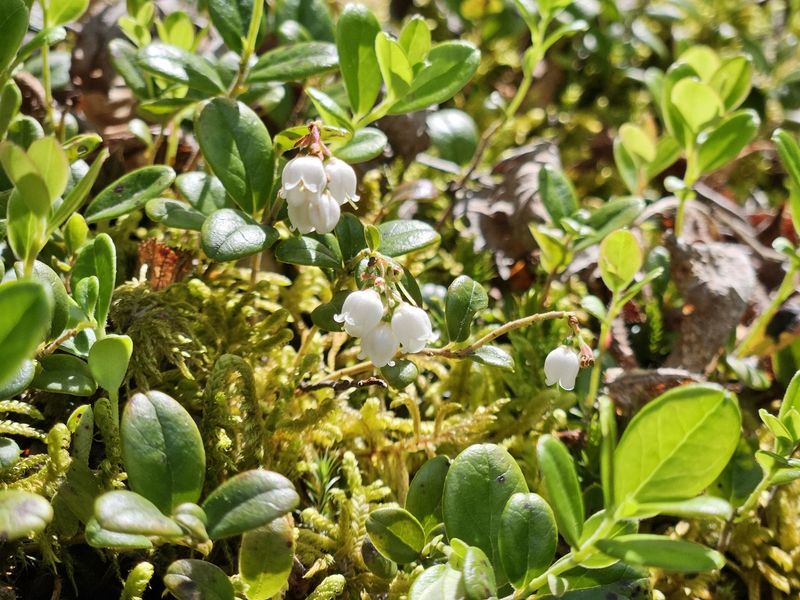
The sites were selected from priority national forest areas identified last year nationwide, where ecological conservation value is considered especially high. They include major habitats of endemic plants, such as the natural habitat of small blueberry, a representative rare species on Dutasan Mountain in Pyeongchang County. The Korea National Arboretum conducted field surveys and carried out a detailed analysis of vegetation distribution and the academic and ecological value of biological resources.
The latest designation is seen as significant because it goes beyond fragmented protection of individual rare plant habitats and more closely strengthens connectivity with existing protected areas and adjacent ecosystems. The Korea Forest Service plans to finalize the designation after consultations with relevant agencies, including local forest offices under its jurisdiction.
Park Young-hwan, head of the Forest Environment Protection Division at the Korea Forest Service, said, "The key to responding to climate change is to connect and conserve ecologically important forests," adding, "We will continue expanding protected areas."
The expanded designation is expected to serve as a practical safeguard against the northward shift of native plant species on the Korean Peninsula and the shrinking habitats of alpine species caused by global warming. In particular, it is expected to play a vital role as an ecological corridor, helping rare alpine and subalpine plants vulnerable to climate change move to new habitats and maintain genetic diversity.
[email protected] Kim Won-joon Reporter