Japanese long-term yields near 3% as buying disappears, hitting a 30-year high
- Input
- 2026-08-31 14:47:43
- Updated
- 2026-08-31 14:47:43
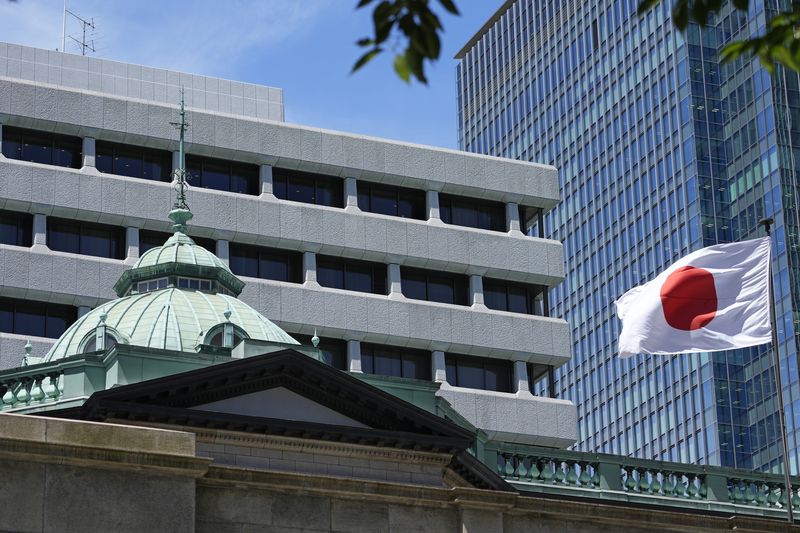
[Financial News, Tokyo = Reporter Seo Hye-jin] Japan's long-term interest rates hit a 30-year high and moved close to the 3% level. As expectations for further rate hikes by the Bank of Japan (BOJ) strengthened amid a weaker yen, sluggish demand for government bonds and concerns over the Takaichi Cabinet's expansionary fiscal policy pushed yields higher.
On the 31st, in Japan's bond market, the yield on newly issued 10-year government bonds, a benchmark for long-term rates, briefly rose 0.030 percentage point from the previous trading day to 2.950%. That was the highest level in 30 years, since September 1996.
The direct trigger for the rise was expectations that the BOJ would deliver another rate hike sooner rather than later. Kevin Warsh, chair of the Federal Reserve System (FRS), said at the Jackson Hole Economic Policy Symposium on the 28th that if core inflation remains above the 2% target, "there is work to do," raising the possibility of additional U.S. rate hikes.
As U.S. rates and the dollar strengthened, the USD/JPY exchange rate at one point climbed to around 160.20 yen per dollar. That was the highest level since the joint U.S.-Japan intervention in the foreign exchange market at the end of last month. It later pared gains and was trading at 159.80 yen as of 2 p.m.
As yen weakness resumed even after the joint intervention, market expectations have spread that the BOJ will accelerate the pace of rate hikes. In the market, the probability of a rate hike at the September Monetary Policy Meeting has climbed above 80%.
BOJ Deputy Governor Ryōzō Himino also said on the 27th, "We will carefully consider a rate hike at every Monetary Policy Meeting, including the next one." By not denying the prospect of an early hike, medium- and long-term government bond yields rose in tandem.
A shortage of investors willing to absorb government bonds is also fueling the rise in yields. In the 2-year bond auction held by the Ministry of Finance Japan (MOF) on the 28th, the gap between the average and lowest accepted prices widened the most in 10 years. Following the weak auction, the 5-year bond yield rose to 2.195%, setting a new all-time high.
Market attention is now focused on the 10-year bond auction on Sept. 1 and the 30-year bond auction on Sept. 3. In particular, demand was already weak at the 10-year auction in August. If demand again fails to absorb the new supply, long-term yields could move above 3%, analysts say.
The Takaichi Cabinet's expansionary fiscal stance is another burden. The market expects budget requests for fiscal 2027 to reach 130 trillion to 140 trillion yen. If the requested amount rises more than expected, concerns over deteriorating fiscal health and a further increase in new government bond issuance could intensify.
The ultra-long bond market is facing similar conditions. On the day, the 30-year yield approached the all-time high of 4.200% set in May. Stable demand has weakened as buying from life insurers to meet capital regulations has largely run its course.
Pressure from rising U.S. rates is also a variable. Foreign investors account for more than 50% of trading in Japanese government bonds. If Japan's long-term yields break above 3% and spur a global rise in rates, additional policy responses from authorities may be discussed. Attention is also turning to remarks from U.S. and Japanese officials at the Group of Twenty (G20) finance ministers and central bank governors meeting, which runs through Sept. 1.
[email protected] Seo Hye-jin Reporter