Moon Dae-rim Pushes to Turn Vacant Rural Homes into Guesthouses... Up to 50 Times the Resale Price in Fines for 'Price Hikes After Booking'
- Input
- 2026-08-31 14:49:46
- Updated
- 2026-08-31 14:49:46
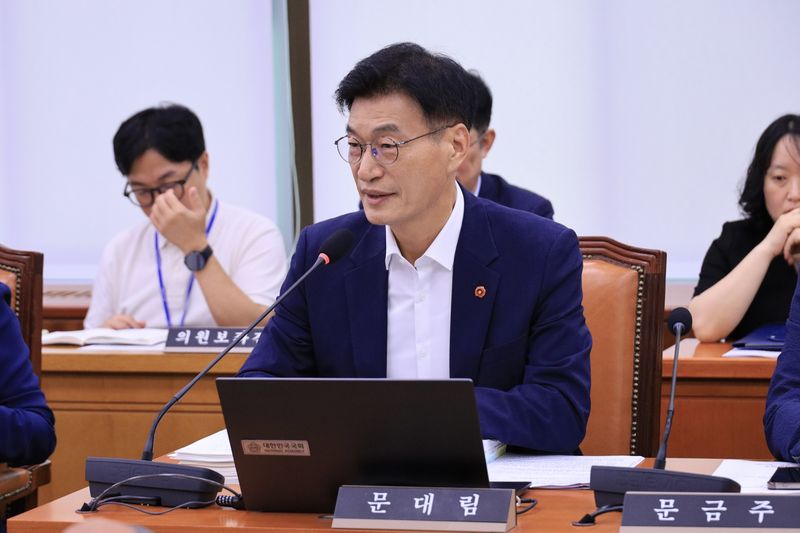
[Financial News, Jeju = Jung Yong-bok] A legal revision is being pushed to impose fines of up to 50 times the resale amount on guesthouse operators who convert vacant rural homes into lodging facilities, then unilaterally cancel bookings and resell them at higher prices. The plan would lower barriers to using vacant homes while strengthening protections for lodging users.
According to the National Assembly on the 31st, Moon Dae-rim, a lawmaker from the Democratic Party of Korea representing Jeju City A, proposed the revision bill on the 27th. The bill was referred to the Agriculture, Food, Rural Affairs, Oceans and Fisheries Committee on the 28th.
Under the current system, rural guesthouses allow residents of rural or semi-rural areas to provide lodging and cooking facilities by using homes they own and live in. Introduced in 1995, the system has become a source of income for rural residents. But as population decline and aging have increased the number of vacant homes, critics say ownership and residency requirements have limited its use.
The core of the revision is the introduction of a 'vacant-house regeneration guesthouse project.' It would include vacant rural homes in the scope of rural guesthouses and allow mayors, county governors, and district heads, as well as corporations and organizations that meet certain requirements, to participate in the business.
The aim is to broaden the ways in which Community enterprises, social enterprises, Social Cooperatives, and other resident-led organizations, as well as SMEs and Non-profit corporations below a certain size, can use vacant homes as lodging facilities.
In other words, while existing rural guesthouses have mainly been operated through private homes owned by individual residents, the revision would expand the range of operators so that abandoned homes can be used as local tourism and lodging resources.
At the same time, consumer protection rules would be strengthened. Rural guesthouse operators would have to report lodging rates to the relevant mayor, county governor, or district head, and post them at the business site. They would also be required to comply with the posted rates.
The bill also restricts operators from canceling or changing confirmed reservations at will. Unless there is an unavoidable reason such as a natural disaster, they would not be allowed to cancel or alter bookings unilaterally without the user's consent.
In particular, the bill would impose strong sanctions on cases where lodging is canceled and then resold at a higher price. If an operator resells a lodging product after unilaterally canceling it and raising the price, the revision would allow an administrative fine of up to 50 times the resale amount.
If operators fail to comply with the obligations to report and post lodging rates, or if they unilaterally cancel or change reservations without justifiable cause, authorities could also suspend operations or order the closure of the business site. The bill also creates a legal basis for publicly disclosing violations by operators whose administrative penalties have been finalized.
In regions such as Jeju Province, where rural areas and tourism lodging demand are both high, the two policies are likely to interact closely.
That is because vacant homes can be used not only as properties to demolish or leave idle, but also as resources that generate stay-based tourism and local income. At the same time, the bill would create a direct sanction against operators who cancel bookings during peak seasons or around major events and then resell the rooms at higher prices.
However, even if the bill passes, its actual impact will depend on how subordinate regulations are designed, including participation requirements for the vacant-house regeneration guesthouse project, management standards, and the method for reporting lodging rates. During the review process, lawmakers will also need to carefully examine safeguards that prevent indiscriminate entry by outside operators while preserving the original purpose of rural guesthouses as a source of income for local residents.
Moon said, "We must not leave the growing number of vacant rural homes idle, but turn them into a resource for regional revitalization." He added, "I will improve the system so that it raises trust in rural tourism and provides real help to the local economy."
[email protected] Jung Yong-bok Reporter