"If your arms and legs suddenly lost strength but then got better, is it fine?"...The stroke golden time is up to 23 hours [Health Talk]
- Input
- 2026-08-31 13:42:24
- Updated
- 2026-08-31 13:42:24
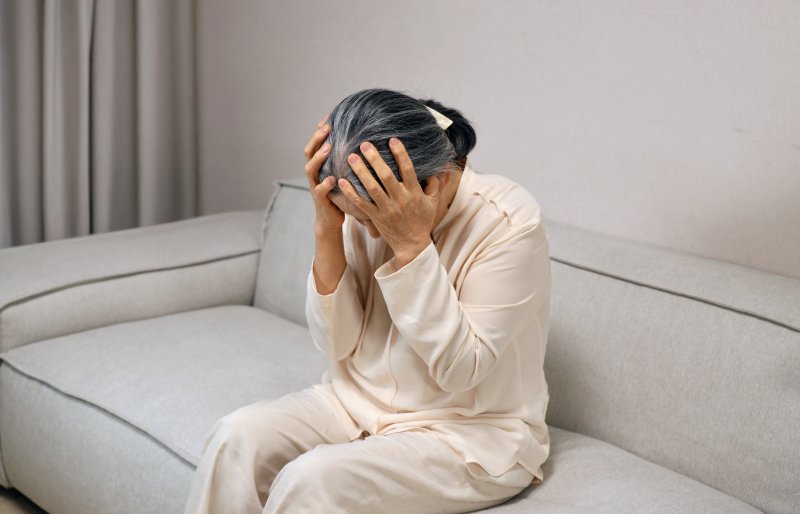
[Financial News] Stroke is a deadly disease that ranks fourth among the leading causes of death in South Korea. Because treatment delays can leave serious aftereffects, a rapid response is essential. Even if symptoms such as weakness in the arms or legs, or slurred speech, appear briefly and then disappear, people should not feel reassured.
Professor Lee Il-hyung of the Neurology Department at Kyung Hee University Hospital at Gangdong explained, "Even if symptoms improve temporarily, there is still a risk that they will later develop into a stroke, so prompt medical attention is necessary."
Stroke is a condition in which brain tissue is damaged when a blood vessel in the brain becomes blocked or ruptures. It is broadly divided into cerebral infarction, or ischemic stroke, in which a blocked vessel damages part of the brain, and cerebral hemorrhage, or hemorrhagic stroke, in which a ruptured vessel causes bleeding inside the brain. Both conditions share common risk factors such as chronic diseases including hypertension, diabetes and hyperlipidemia, as well as vascular disease and abnormal blood clotting. In addition, cerebral infarction can be caused by heart disease such as atrial fibrillation and autoimmune disorders, while cerebral hemorrhage can result from cerebral aneurysms, vascular malformations, brain tumors and trauma.
Stroke ranks fourth among leading causes of death, and the number of patients continues to rise
Stroke carries a high risk of death and a heavy burden of aftereffects, and the number of patients has been steadily increasing. According to Statistics Korea's "2024 Cause of Death Statistics," cerebrovascular disease ranks fourth among the leading causes of death in South Korea, after cancer, heart disease and pneumonia. HIRA data also show that the number of cerebral infarction patients rose from 508,415 in 2021 to 542,750 in 2025, while the number of cerebral hemorrhage patients increased from 100,390 to 105,710 over the same period.
Stroke symptoms vary depending on the part of the brain that is damaged. Common signs include paralysis or numbness on one side of the body, dysarthria, aphasia that makes it difficult to understand or express speech, and visual disturbances. Severe dizziness, gait problems, reduced consciousness and intense headaches may also occur. Because symptoms alone make it difficult to distinguish between cerebral infarction and cerebral hemorrhage, emergency rooms first identify the cause through imaging tests.
A CT scan is performed first to check for cerebral hemorrhage, and if necessary, CT angiography is used to examine the condition of the brain vessels and locate any blockage. MRI may also be performed to identify early infarction lesions more precisely. Based on the test results and the patient's condition, doctors decide on treatment, such as medication or thrombectomy.
Cerebral infarction is treated primarily with antithrombotic drugs and other internal medicine therapies. Depending on the patient's condition and the time symptoms began, doctors may administer intravenous thrombolytics or perform thrombectomy to remove the clot directly with a catheter. By contrast, cerebral hemorrhage may be treated with blood pressure control and hemostatic therapy, along with surgery depending on the location and extent of the bleeding.
Professor Lee said, "Thrombolytics must be considered within 3 to 4.5 hours after symptom onset, and thrombectomy within 22 to 23 hours, but that does not mean the procedures should always be performed just because the time window fits." He added, "Because the patient's condition and the benefits and risks of treatment must be weighed comprehensively, arriving at the hospital as quickly as possible broadens treatment options and can reduce aftereffects."
"Why you should not feel relieved just because you 'got better'"
One reason stroke treatment is delayed is that early symptoms such as weakness in the arms or legs and slurred speech are dismissed as simple fatigue. Some people wait, thinking they will feel better after resting a little, while others postpone a hospital visit because the symptoms briefly appear and then disappear. But even if the symptoms improve, it could still be a transient ischemic attack (TIA), so people should not be reassured. This occurs when cerebral blood flow temporarily decreases and neurological symptoms appear. Because the risk of a later cerebral infarction is high, prompt medical care is needed.
Professor Lee urged, "If your body feels different from usual, or if people around you say something seems wrong, do not delay. Even if the symptoms improve for a moment, go to the emergency room and have your condition checked accurately."
Once stroke occurs, damaged brain tissue cannot be fully restored. That is why the most important step is primary prevention through the management of chronic diseases and improvements in daily habits. Risk factors such as hypertension and diabetes should be controlled, smoking should be stopped and alcohol intake reduced. It is also advisable to avoid sudden temperature changes and strenuous exercise, while maintaining a balanced diet and adequate hydration.
Professor Lee emphasized, "Prevention through chronic disease management in daily life is the most important thing, but even if a stroke does occur, there is no need to lose hope." He added, "As treatment methods continue to advance, active treatment and secondary prevention can still allow patients to lead a healthy life."
[email protected] Medical Reporter Jeong Myeong-jin Reporter