Hallasan, Haenyeo, and Jeju April 3 Records on Display Together... Special Exhibition on Jeju's 'UNESCO Triple Heritage'
- Input
- 2026-08-31 10:37:17
- Updated
- 2026-08-31 10:37:17
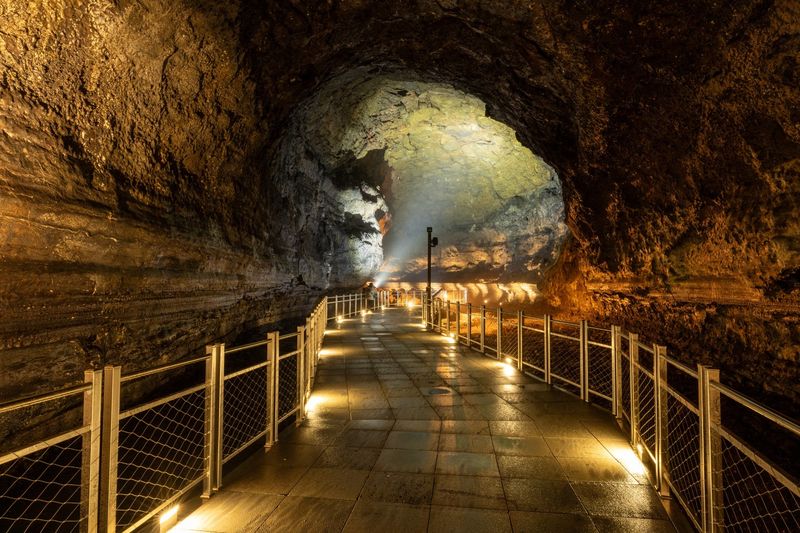
[Financial News, Jeju = Reporter Jung Yong-bok] A special exhibition is opening in Jeju that brings together the island's internationally recognized heritage in one place, from the World Natural Heritage represented by Hallasan and lava tubes to the Culture of Jeju Haenyeo (Women Divers) and the documentary records of Jeju April 3. The exhibition links Jeju's nature, life and memory, which are listed under different UNESCO systems, into a single narrative and presents the breadth of the island's heritage in a multidimensional way.
According to the Jeju World Heritage Headquarters of Jeju Special Self-Governing Province on the 31st, the special exhibition, titled 'Jeju's Time, as a World Heritage,' will run from that day through Oct. 18 at the special exhibition hall of the Jeju World Natural Heritage Center.
The exhibition is a linked program for the '2026 World Heritage Festival - Jeju Volcanic Island and Lava Tubes,' which opens on Oct. 3.
What sets the exhibition apart is that it does not explain Jeju solely through its natural heritage. In 2007, 'Jeju Volcanic Island and Lava Tubes' was inscribed on the UNESCO World Heritage list. Hallasan Natural Reserve, the Seongsan Ilchulbong Tuff Cone and the Geomunoreum Lava Tube System were recognized for their outstanding volcanic geological value and scenery.
In 2016, the Culture of Jeju Haenyeo (Women Divers) was added to UNESCO's list of Intangible Cultural Heritage of Humanity. Its international value was recognized not only for the diving techniques used without oxygen tanks, but also for the community's knowledge, cooperation and intergenerational transmission.
Last year, 14,673 Jeju April 3 records were inscribed on UNESCO's Memory of the World Register under the title 'Revealing Truth: Jeju 4·3 Archives.' The records, which document the victims of state violence, efforts to uncover the truth, the restoration of victims' honor and the process of reconciliation, were recognized for their global preservation value.
In this special exhibition, those three layers are connected through spaces themed around memory, life and nature.
Section 1, 'When Memory Becomes a Record,' examines the memory of state violence, human rights and the Jeju community's path toward reconciliation through records and testimonies related to Jeju April 3.
Section 2, 'Hands That Sustain Life,' focuses on the daily culture of Jeju haenyeo and village communities, showing the lives and traditions of people who have lived in close harmony with nature.
Section 3, 'A Mountain of Heritage, Layers of Time,' highlights the value of natural heritage formed over a long period through Hallasan, Jeju's volcanic landscape, geology and ecology.
Bringing together natural heritage, everyday culture and the memory of modern history in one exhibition is intended to show that the different forms of heritage in Jeju are all interconnected.
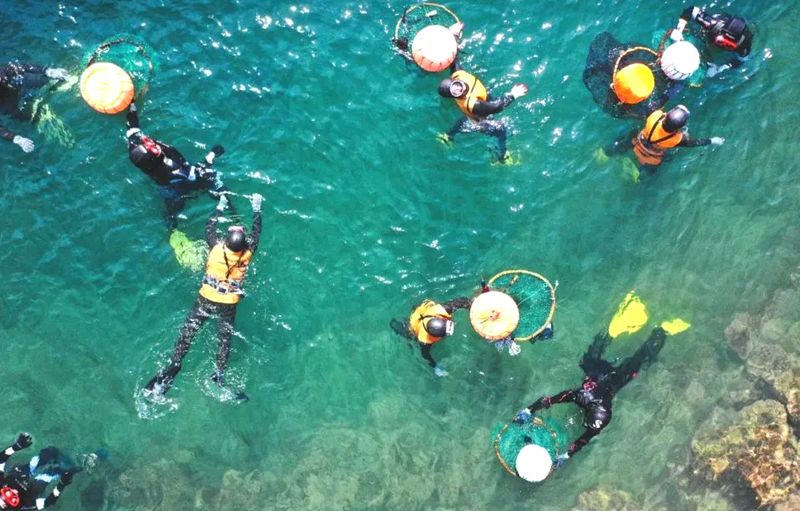
Jeju's volcanic landscape and sea shaped the way residents lived, and within that environment, the culture of haenyeo and village communities took root. Jeju April 3 can also be read as one layer in the island's history, rather than as a separate heritage, because it remains a memory embedded in the space of the island and its community.
The special exhibition will be open free of charge until Oct. 18, the final day of the World Heritage Festival.
This year's World Heritage Festival will be held from Oct. 3 to 18 at Hallasan Natural Reserve, the Geomunoreum Lava Tube System, the Seongsan Ilchulbong Tuff Cone, seven World Natural Heritage villages and the Jeju World Natural Heritage Center.
This year also adds significance as it marks the 80th anniversary of the discovery of Manjanggul Lava Tube and the 100th anniversary of the birth of the late Bu Jong-hyu, who introduced the tube's value to the world. The opening ceremony will take place around Manjanggul on Oct. 3.
During the festival, programs will include walking tours through the Geomunoreum Lava Tube System, special exploration tours of lava tubes normally closed to the public, Hallasan stargazing hikes and sunrise tours, as well as programs in World Natural Heritage villages.
Kim Hyeong-eun, head of the Jeju World Heritage Headquarters, said, "We designed the exhibition so visitors can look at Jeju's nature, the lives that have continued within it, and the memory of the community together." She added, "Through the exhibition and the World Heritage Festival, we will bring the value of Jeju's heritage closer to the public."
[email protected] Jung Yong-bok Reporter