Morgues in Nepal Overwhelmed as Mass Burial Begins for Unidentified Flood Victims
- Input
- 2026-08-31 10:29:46
- Updated
- 2026-08-31 10:29:46
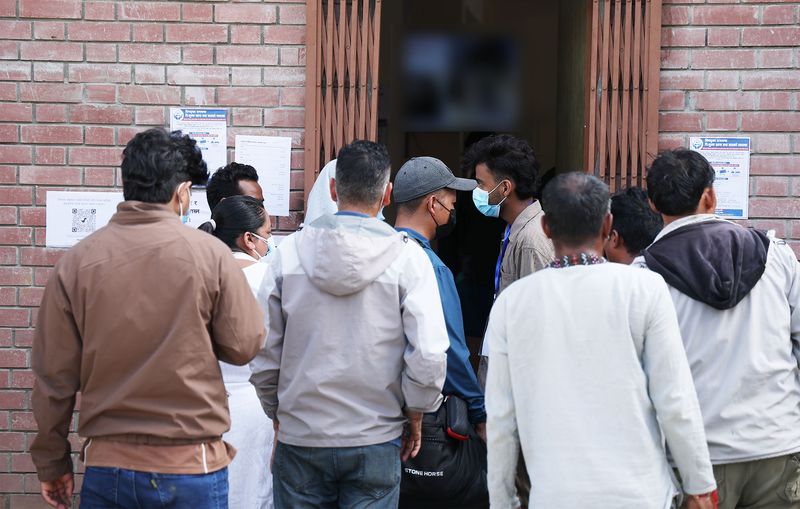
According to The New York Times on the 30th, bodies were swept onto the banks of the Chitwan District river, dozens of kilometers downstream from where the floods first struck. Local authorities, unable to cope with the situation, are using a government building in the central city of Bharatpur as a temporary morgue.
According to the Chitwan Police Chief, the Chitwan morgue can hold only about 30 bodies. As a result, 270 remains have been placed in the temporary morgue in Bharatpur. Because the bodies had been in water for a long time and were exposed to the intense heat of the monsoon season, preservation and identification were difficult. Local authorities photographed the bodies so families could identify missing relatives, but only about 10 victims have been identified and returned to their families.
There is only one air conditioner in the Bharatpur government building, so local authorities tried to secure dry ice. The facility was reportedly pushed to its limit as bodies continued to arrive in an already harsh environment. Anil Thapa, a traffic police officer working at the temporary morgue, said, "15 to 20 bodies are being found every day," adding, "This will likely continue for several more months."
The bodies are now being moved to a forest for mass burial. Local authorities explained, "Burials are carried out after photographs are taken, distinctive marks found on the bodies are recorded, clothing is documented, and DNA samples are collected."
Late the previous day, 93 bodies were buried, and another 100 were added on the 30th. At the mass burial site, security forces in protective suits carried the bodies one by one on stretchers, while cameras recorded the process. Nearby, rows of metal number tags stood in jars filled with concrete. They marked each grave.
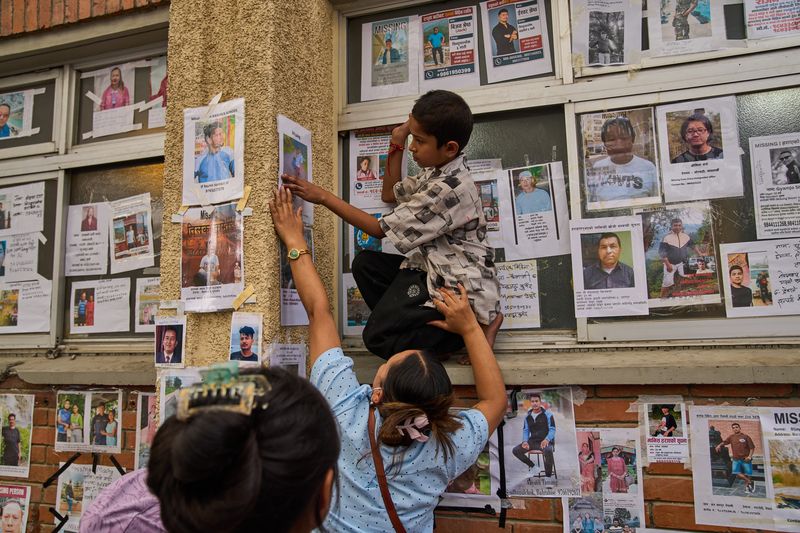
The death toll is likely to keep rising. Only a small fraction of the missing have been confirmed dead. The Nepal Disaster Risk Reduction and Management Authority said, "As of 6 p.m. today, the death toll stands at 781, and 2,502 people remain missing."
Rescue efforts are currently focused on Rasuwa, the area hardest hit in Nepal, and on a major hydropower plant tunnel in Nuwakot District downstream from Rasuwa. The Nepal Army attempted to dig through debris and mud to enter the tunnel after overnight rain. With support from an Indian rescue team, it found the entrance to one tunnel in the afternoon, but it was filled with water.
Nepal Army spokesperson Raja Ram Basnet said, "We are searching for signs of life using thermal imaging drones," adding, "So far, no traces of survivors have been found."
[email protected] Hong Chaewan Reporter