Yong Hye-in, the first lawmaker born in the 1990s, likely to keep her proportional seat even if she becomes minister
- Input
- 2026-08-31 06:55:32
- Updated
- 2026-08-31 06:55:32
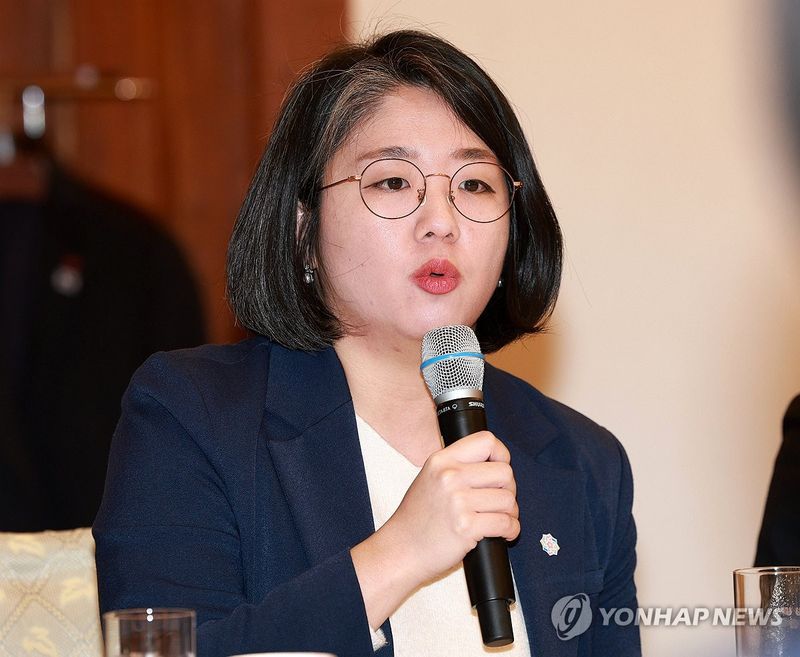
[Financial News] Yong Hye-in, the floor leader of the Basic Income Party who has been nominated as a candidate for minister of the Ministry of Gender Equality and Family, is expected to keep her proportional representation seat even if she is appointed to the post.
According to South Korean economy and other outlets on the 30th, Oh Jun-ho, who is running unopposed in the Basic Income Party's upcoming leadership election, told South Korean economy that "a Cabinet member and a member of the National Assembly can legally hold both posts" and that "even if Rep. Yong joins the Cabinet, the party's position is that she will keep her seat."
Yong also told The Dong-A Ilbo that she understood there was "no rule prohibiting concurrent service as a minister" and that she would "discuss it with the ministry and then state [her] position through the ministry."
Yong entered the National Assembly as a proportional representative in the 21st general election, running on the Democratic Party of Korea's satellite party, the Democratic Citizens' Party. She was later elected as a candidate of the Democratic Alliance of Korea in the 22nd general election.
Under Article 29 of the National Assembly Act, lawmakers are allowed to serve concurrently as members of the State Council. As a result, Yong would not be legally required to resign her seat even if she becomes minister. However, it has long been customary in politics for proportional representatives to step down when appointed to the Cabinet, since the next candidate on the list can take over the seat and minimize any gap in legislative work.
If Yong resigns her proportional seat, former Roh Moo-hyun Foundation secretary-general Ko Jae-soon, the next candidate on the list and a member of the Democratic Party of Korea, would inherit the seat. Her consideration of keeping both posts appears to reflect concerns that if she gives up her seat, the Basic Income Party, which has only one lawmaker in the National Assembly, would become an extra-parliamentary party and lose influence and speaking power.
Meanwhile, if the 1990-born Yong is formally appointed after a confirmation hearing, she will become the first minister born in the 1990s.
[email protected] Kim Su-yeon Reporter