As China’s Durian Craze Grows, Vietnamese Farmers Rip Out Coffee Trees to Grow the Fruit
- Input
- 2026-08-31 06:30:00
- Updated
- 2026-08-31 06:30:00
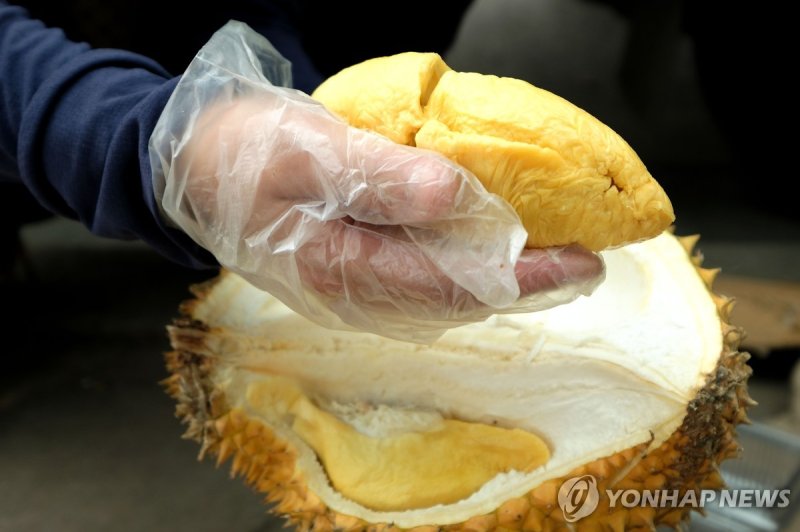
According to AFP and other foreign media on the 31st, China’s explosive demand for durian is reshaping Vietnam’s crop landscape. Vietnam’s Ministry of Agriculture said durian cultivation area has increased more than fivefold over the past decade to about 200,000 hectares. The Central Highlands, which account for about one-sixth of global coffee production, are a major coffee-growing region, but farmers there are rapidly shifting to durian.
Vietnam officially entered China’s durian market after the two countries signed a trade agreement in 2022. Exports then surged, and by 2025 Vietnam had overtaken Thailand to become China’s largest durian supplier by volume.
The backdrop is China’s feverish demand. China’s imports of fresh durian are expected to reach about $7.5 billion, or roughly 10.3537 trillion won, in 2025, nearly 12 times the level in 2015. Among young Chinese consumers, durian eating videos and reviews have gone viral, especially on Douyin, the Chinese version of TikTok. Competition between Thai and Vietnamese suppliers, along with improved logistics, has also lowered prices and broadened the consumer base.
Vietnam’s durian export value is projected to rise from $180 million in 2021 to $4 billion this year, or about 5.522 trillion won. Roughly 90% of export volume goes to China.
Farmers, hoping for higher incomes, are increasingly moving into premium varieties such as Ri6, Musang King, and Dona. During the harvest season from August to October, roads in Dak Lak Province are so packed with trucks carrying durians that they are nearly full.
But the durian boom is not all good news. As cultivation areas expand rapidly, concerns are growing about oversupply and declining quality. This month, the Vietnamese government also issued an official warning to farmers about the risks of overproduction and poor quality control.
Durian is also harder to grow than coffee. It requires careful management of humidity, water, and fertilizer. Lan described durian farming as "like raising a child."
Some farmers have actually switched back to coffee after trying durian. Hung, a farmer in Dak Lak Province, replaced all of his coffee trees with durian five years ago, but replanted coffee after just two years. "I couldn’t meet the required quality standards. I failed," Hung said. "I will never go back to durian."
[email protected] Kim Joon-seok Reporter