[Editorial] A 43 Trillion Won Youth Budget Should Invest in Self-Reliance, Not Just Cash
- Input
- 2026-08-30 18:35:50
- Updated
- 2026-08-30 18:35:50
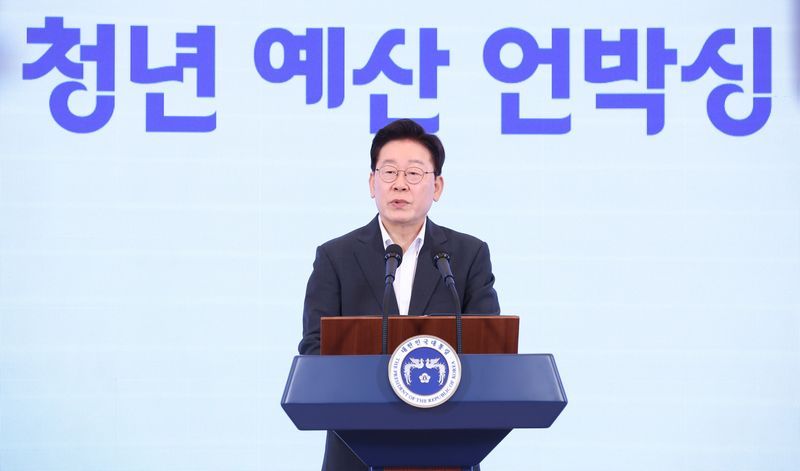
As the scale of support grows sharply, however, the effectiveness of these policies must be examined more strictly. The measures include a wide range of cash-like benefits and tax and financial incentives, such as child-rearing support payments, child basic allowances, the Youth Culture Pass, and marriage grants. The Our Child Independence Fund is designed to combine contributions from parents and the government with long-term investment returns, allowing beneficiaries to build a lump sum of up to 100 million won by adulthood. The goal of narrowing wealth gaps at the starting line is understandable. But it would be a mistake to assume that more cash support will automatically translate into greater self-reliance. For large-scale fiscal spending to help young people earn income and shape their own lives, reforms in jobs, education, and the labor market must move forward together.
Young people's sense of helplessness is closely tied to the long-term decline in quality jobs. With employers favoring experienced workers and the spread of Artificial Intelligence (AI), the barrier to a first job is likely to rise even further. The government's introduction of the 'First Career Project,' which gives college students hands-on corporate experience, is worth noting. But if it is to lead to actual hiring rather than a one-off experience, strong incentives will be needed to draw in companies.
Policies for young people in non-metropolitan areas also have clear limits if they rely only on subsidies. The government plans to support tuition at regional national universities and provide various benefits to young people who take jobs at small and medium-sized companies outside the Seoul metropolitan area. This may help encourage immediate employment and settlement in local areas. But a policy can only be considered successful if young people continue to live and work in those regions and companies after the support ends. Building a proper industrial, startup, and investment ecosystem in the regions is the more fundamental solution.
In the case of asset-building support, fiscal sustainability is crucial. Government spending that continues for decades will ultimately be borne through taxes by today's young people and future generations. That is why the government must regularly assess how far support should extend, whether programs overlap with existing ones, and whether public assistance is actually leading to self-reliance. Those findings should then be reflected in policy.
The government cannot create young people's happiness and self-reliance with money alone. What young people truly need is education and jobs that build their capabilities, not allowances they can receive for a few years. The government should focus more on creating a sustainable foundation that allows young people to work, grow, and choose their own lives. Structural reform of the labor market and various regulations is therefore even more urgent.