As coastal fishery resources decline in Jeju, 1 million rock bream and Korean rockfish will be released
- Input
- 2026-08-30 15:03:51
- Updated
- 2026-08-30 15:03:51
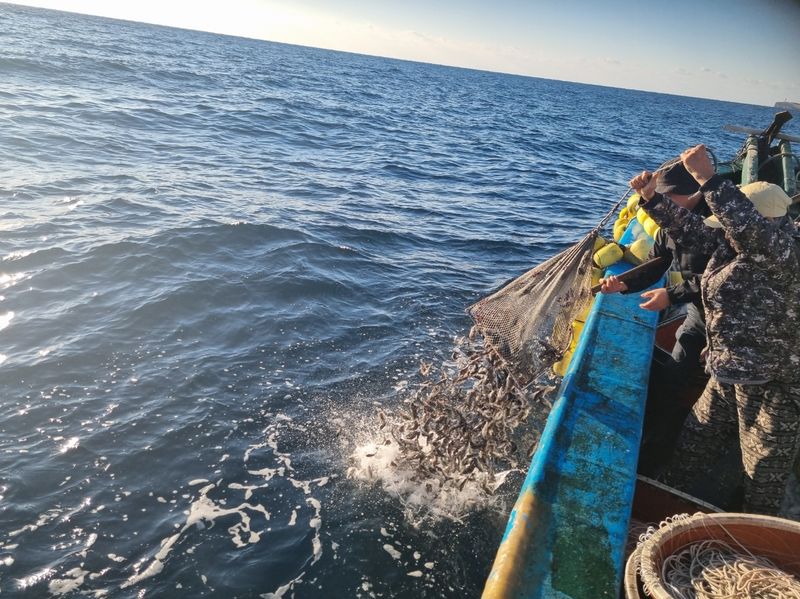
[Financial News Jeju = Reporter Jung Yong-bok] To help restore declining coastal fishery resources around Jeju, 1 million rock bream and Korean rockfish juveniles will be released into the sea. Following the release of 27 million fish since 2002 through last year, the province will invest 540 million won again this year.
According to Jeju Special Self-Governing Province on the 30th, 1 million rock bream and Korean rockfish juveniles will be released in stages from September through the end of November at five coastal areas, including Chuja-do and Moseulpo Port.
Fish juveniles refer to young aquatic species raised to a certain size for release or aquaculture. Korean rockfish is a coastal species commonly known as "u-reok."
First, 800,000 fish, including 300,000 rock bream and 500,000 Korean rockfish, will be released along the coasts of Moseulpo Port, Chuja-do, Han-gyeong, and Gosan.
The remaining 200,000 will be supplied after the second release sites are selected. In total, five coastal areas have been chosen, and the detailed schedule and locations may change depending on safety, weather, and sea conditions. The release sites were selected based on a demand survey of local fishing vessel owners' associations.
Rather than simply meeting a numerical target, Jeju Island is focusing on improving the survival rate of the juveniles. The release timing will be set after checking sea conditions such as water temperature, which are suitable for the fish to settle, and only high-quality juveniles that have passed infectious disease tests will be released into the sea.
The release method will also use boats rather than simply dumping the fish at a harbor. The goal is to move them to coastal waters suitable for their habitat and release them directly at sea to improve their early survival rate.
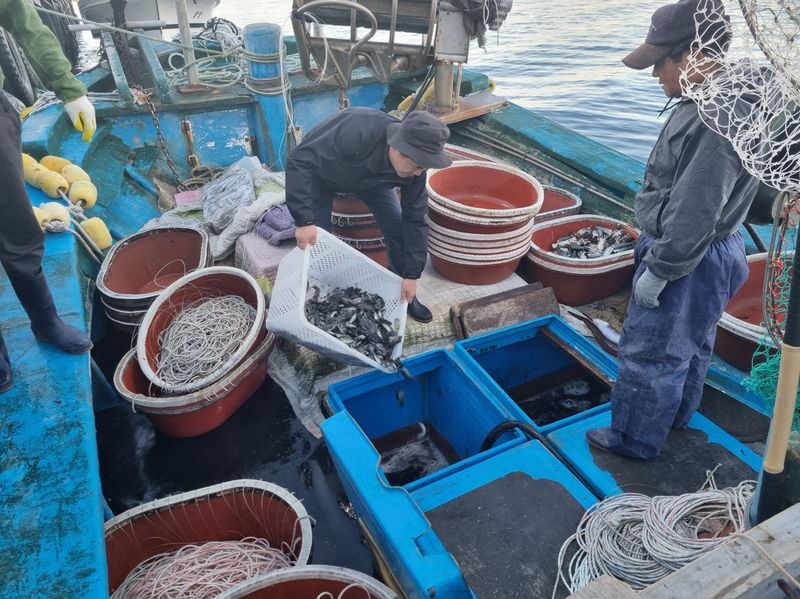
Jeju Island's fish stocking program has continued since 2002. By last year, the province had released 27 million fish of 11 species, including rock bream, into village fishing grounds and coastal fishing grounds. The cumulative project budget has reached 13.1 billion won.
Korean rockfish and rock bream were also among the key species in the early stages of the program. Korean rockfish has been released since 2002, and rock bream since 2004.
As the project has continued over a long period, the focus of policy is increasingly shifting from how many fish are released to how many survive and return as fishery resources.
The Jeju Special-Governing Province Oceans and Fisheries Institute has been studying the effects of the releases by examining the underwater terrain and habitat organisms of sample fishing grounds, while also tracking the dispersal range and production volume of the released juveniles. The work is intended to identify suitable release sites and verify the effectiveness of resource enhancement.
Environmental changes in coastal fishing grounds are also a variable. Jeju's waters continue to be affected by high water temperatures and changes in the marine environment. That is why, alongside repeated releases of the same species, there is a growing need to identify species that can adapt to changing temperatures and ecological conditions, and to verify their economic viability.
The Jeju Special-Governing Province Oceans and Fisheries Institute has also been expanding research into fishery resources that can respond to high water temperatures, while producing and releasing high-value species suitable for Jeju's coastal waters, such as saw-edged perch, gugumjaengi, and red spotted grouper.
Kim Jong-su, director of the Oceans and Fisheries Bureau of Jeju Island, said, "We will make sure the releases lead to the recovery of coastal fishery resources and strengthen the income base of fishing vessel operators," adding, "We will also expand the release of high-value species that can respond to high water temperatures."
[email protected] Jung Yong-bok Reporter