Seoul Metropolitan Government to Cover 80% of Seniors’ Home-Visit Medical Copayments Starting in September
- Input
- 2026-08-30 14:43:54
- Updated
- 2026-08-30 14:43:54
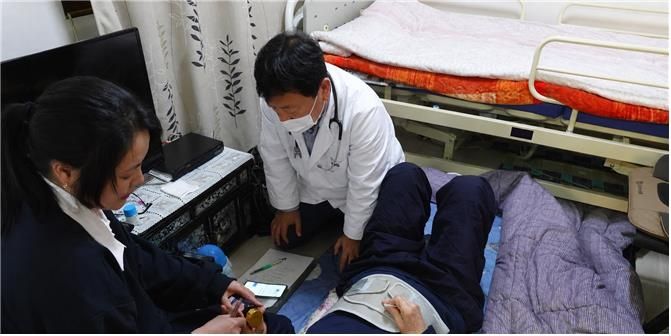
The Seoul Metropolitan Government said on the 30th that it will begin full implementation of the senior home-visit medical care copayment support program in September.
Home-visit medical care is a home-based medical service that allows people with limited mobility to receive examinations, consultations and prescriptions from a doctor at home. For seniors in particular, simply preparing to go out, traveling, being accompanied by a caregiver and waiting for treatment can be a major burden, leading many to delay needed care.
Even when home-visit medical care is available, the copayment has remained another barrier. According to the National Assembly Research Service (NARS), 22.7% of users cited high copayments as a factor limiting their use of the service.
Based on primary care home-visit medical services covered by National Health Insurance, patients are generally said to pay about 30,000 to 40,000 won more than they would for a regular outpatient visit to a clinic. Seoul will cover 80% of the statutory copayment for those costs. Support will be provided for up to 20 visits per person per year. The maximum annual subsidy is 158,000 won, and the actual amount will vary depending on the medical institution's billing details.
Users do not need to apply separately for the subsidy. After the home visit, they only need to pay the copayment amount remaining after Seoul's support to the medical institution. The institution will then claim the subsidy directly from the public health center.
Beyond partial coverage of medical expenses, the program is significant because it strengthens a community-based integrated care system that links home-visit medical care with medical treatment, nursing and caregiving. Depending on the health condition and needs of seniors with limited mobility, medical services will come to their homes, while nursing and caregiving services will also be connected so they can manage their health where they live.
Cho Young-chang, director of the Seoul Metropolitan Government's Citizen Health Bureau, said, "For seniors with limited mobility, the process of going to a hospital itself is a major challenge, so it is important to expand a system in which the medical services they need come to their living space." He added, "We will actively support seniors so they can live healthy lives in the places where they have always lived."
[email protected] Lee Seol-young Reporter