"I Thought It Was Insomnia"... The Sleep-Disrupting Signal Your Legs May Be Sending [Health Talk]
- Input
- 2026-08-30 13:29:20
- Updated
- 2026-08-30 13:29:20
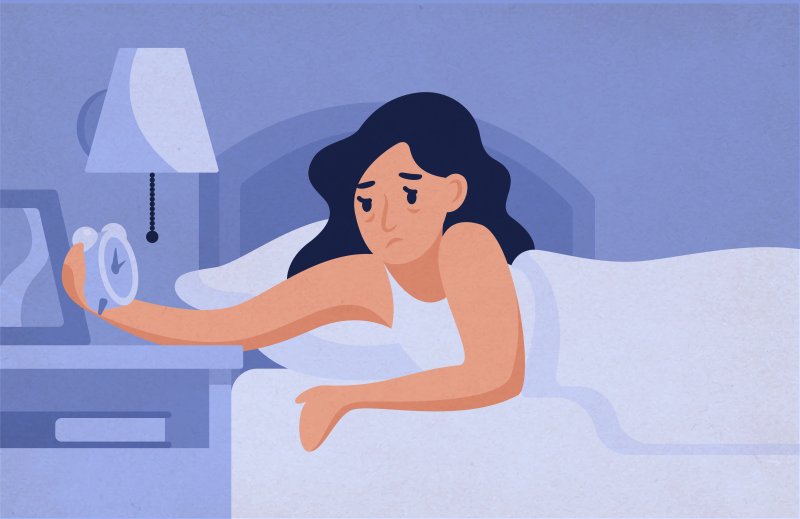
[Financial News] If you repeatedly feel as if insects are crawling on your legs, along with itching, tingling, or an urge to move them before falling asleep, you should consider Restless Legs Syndrome.
Many people assume that difficulty falling asleep or frequent awakenings at night are simply caused by insomnia. But if you feel an itchy or uncomfortable sensation in your legs when you lie down, and the urge to move them becomes so strong that you cannot stay still, Restless Legs Syndrome may be the real cause.
Restless Legs Syndrome is a neurological disorder marked by an intense urge to move the legs and an uncomfortable sensation in them. Symptoms usually appear or worsen during rest, such as when sitting or lying down, and they tend to become more noticeable in the evening or at night. Physical activity, such as moving the legs or walking, often brings temporary relief.
When symptoms become worse at bedtime, they can interfere with sleep by forcing a person to keep moving their legs or get out of bed and walk around.
Kim Jin-hee, head of the neurology department at Seran General Hospital, said, "Restless Legs Syndrome is a condition in which discomfort in the legs and the urge to move them repeatedly occur at night or before falling asleep." She added, "If leg symptoms worsen when you are still and are temporarily relieved by moving or walking, it should not be dismissed as simple insomnia. It is important to check whether there is an underlying condition."
Different from insomnia... leg symptoms disrupt sleep
For that reason, Restless Legs Syndrome is often mistaken for simple insomnia. Insomnia is primarily a condition in which falling asleep or staying asleep is difficult. Restless Legs Syndrome, by contrast, disrupts sleep because of uncomfortable leg sensations and the urge to move. If you struggle to fall asleep or wake up often during the night along with leg symptoms, it is important to look beyond sleep problems alone and check whether leg symptoms are also present.
Diagnosis is made by considering the pattern of symptoms, when they occur, whether they worsen at rest, and whether they improve with movement. It is also important to distinguish the condition from other neurological and musculoskeletal disorders that can cause similar symptoms. If necessary, blood tests may be performed to check related factors such as iron status.
From iron correction and lifestyle management to medication in severe cases
Treatment depends on the severity of symptoms and the underlying cause. If related factors such as iron deficiency are identified, correcting them can help. Lifestyle management, including regular sleep habits, appropriate exercise, and limiting caffeine intake, may also be beneficial. If symptoms persist or become severe enough to disrupt sleep, medication may be considered based on the clinician's judgment.
Kim emphasized, "If symptoms continue for a long time, sleep quality can decline and lead to daytime fatigue or reduced concentration." He added, "If you are having trouble sleeping every night because of leg symptoms, it is best to consult a medical professional, identify the exact cause, and receive appropriate treatment."
[email protected] Medical Reporter Jeong Myeong-jin Reporter