Kim Byung-gi investigation ends after a year of stalemate, with a conclusion due within a month... Police probe under scrutiny
- Input
- 2026-08-31 06:00:00
- Updated
- 2026-08-31 06:00:00
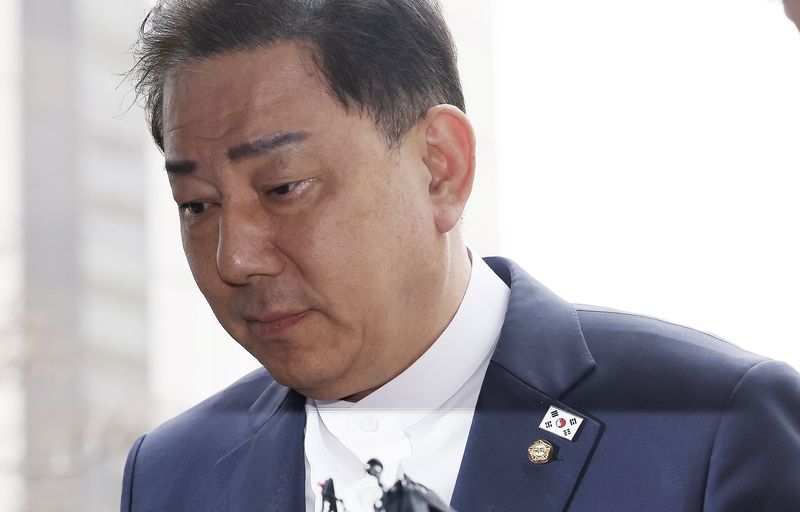
According to the police on the 31st, the Seoul Metropolitan Police Agency's Investigation Review Committee held its regular meeting on the 25th and placed Kim's case on the agenda, instructing the Public Crime Investigation Unit to "expedite the investigation within one month." If the investigation must be extended for unavoidable reasons, the unit must explain the reason clearly, set a new deadline, and obtain approval. The committee's instructions are not legally binding, but they are difficult to ignore without a valid reason. The fact that the committee, which mainly reviews the appropriateness of investigative procedures and outcomes, has gone so far as to set a deadline for a specific case is being seen as evidence that the police's self-correcting function and investigative will have reached their limits.
The committee was convened after the civic group Committee for the Protection of Ordinary People's Livelihood submitted a request on the 31st of last month, saying, "Even though questioning of both the complainant and the accused has been completed, no conclusion has been reached for more than 11 months." Kim was booked on 13 charges, including allegations of soliciting nomination money, intervening in his second son's transfer to a university, helping his eldest son secure a job at the NIS, and misusing his spouse's corporate card. He had undergone a total of seven suspect interviews through April. Since then, however, the investigation team has delayed any disposition for four more months.
The root cause of such cases involving current and former politicians being reduced to 'dragged-out investigations' is being blamed on a culture of avoiding responsibility that has deepened since the adjustment of investigative powers between the Prosecution Service and the National Police Agency. With the police now holding the authority to close a case at the first stage of an investigation, the downside has been that in high-profile cases they increasingly avoid making a decision and simply let them sit. In the past, cases had to be handed over within a set time frame in line with the prosecution's investigative direction or request for transfer. Now, however, there is no clear legal mechanism to force police leadership to act even if it delays a decision. One legal source said, "Once the police gained the power to close investigations on their own, a bad habit emerged: instead of wrapping up cases quickly and producing results, they hold on to politically sensitive cases, drag out the process, and wait for the right moment to protect themselves." The source added, "In the end, investigative power has expanded, but responsibility has retreated."
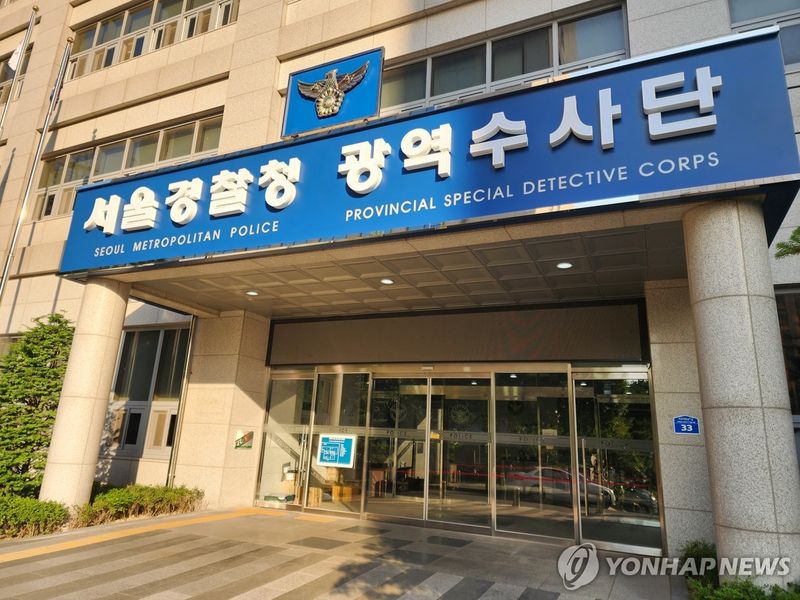
There are also growing concerns that the fallout from delayed investigations could spread into distrust of the criminal justice system and ultimately harm the public. If an investigation drags on without a clear conclusion, it not only deepens political conflict but can also erode public confidence in the police's neutrality and fairness. Although the purpose of investigative independence is to ensure political neutrality and uncompromising investigations, critics say the hesitant response on the ground is undermining the legitimacy of that authority.
Experts say urgent institutional reforms are needed to prevent delays, including a strict investigation deadline system and a leadership accountability framework. A lawyer who previously served as a prosecutor said, "Ahead of the revised Criminal Procedure Act taking effect, investigators may have delayed decisions while trying to avoid requests for supplementary investigation or warrant rejections from the Prosecution Service in pursuit of completeness." He added, "But in the end, this became a case of holding on to allegations of nomination money and solicitation for 11 months without reaching a conclusion, not because it was a financial crime or a complex accounting fraud case, but because of political pressure. It only fueled more doubts about their capabilities, along with criticism that the police were dragging their feet and reading the room."
[email protected] Seo Ji-yoon Reporter