Ministry of Foreign Affairs Says Nepal Has Not Accepted Foreign Rescue Teams; Nepalese Military and Police Lead Search Efforts
- Input
- 2026-08-29 15:19:18
- Updated
- 2026-08-29 15:19:18
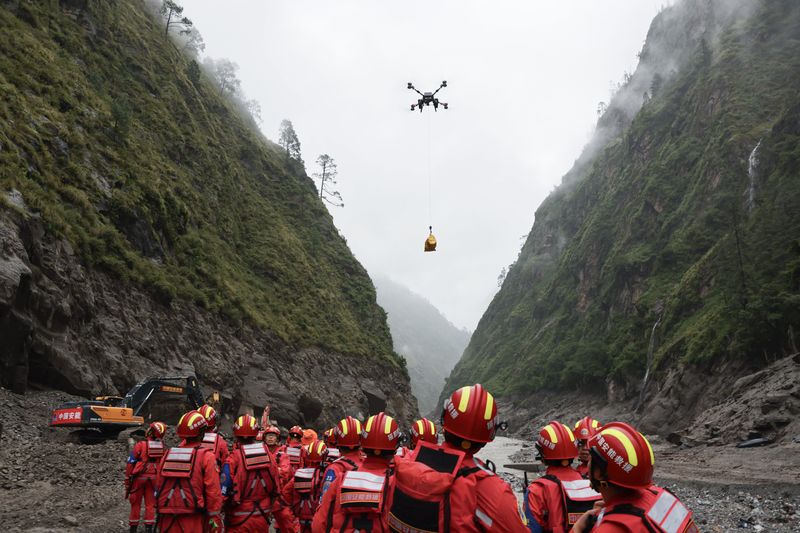
In response to reports that Nepal had agreed to accept foreign rescue assistance, the Ministry of Foreign Affairs denied them, saying, "We are in discussions with the Nepalese side, but there has been no new information yet regarding the acceptance of foreign relief teams." It also explained, "Once Nepal's consent is confirmed, we will take steps so that our emergency relief team can be deployed immediately."
The ministry said Nepal is considering various factors, including weather conditions and the efficiency of command and control for rescue personnel, following recommendations from its military and police. It explained, "The Nepalese government is carrying out rescue operations centered on its own military and police, and it plans to make a separate request if it identifies additional support needs."
Countries including the United States are reviewing whether to send rescue teams after the "glacial flood" that struck Nepal on the 26th. The South Korean government is also actively conveying its intention to support Nepal with an emergency relief team and is continuing consultations. It says it is fully prepared to deploy at any time if Nepal accepts. The government is also considering sending a military transport aircraft.
Because the Nepalese government has rejected the deployment of large-scale foreign rescue teams, the United States and other countries are not sending full-scale rescue units to the scene. However, it is reported that limited acceptance has been granted to teams from countries with missing nationals, including China, India and Australia.
Nepalese authorities have experience from the 2015 Nepal earthquake, when foreign rescue teams arrived all at once, creating competition among countries and causing major confusion in on-site coordination. As a result, they now want financial support for disaster victims more than rescue teams. The United States has decided to provide $500,000, or about 660 million won, in humanitarian emergency aid to the affected area. The funds will be used for relief efforts such as setting up temporary shelters and securing drinking water.
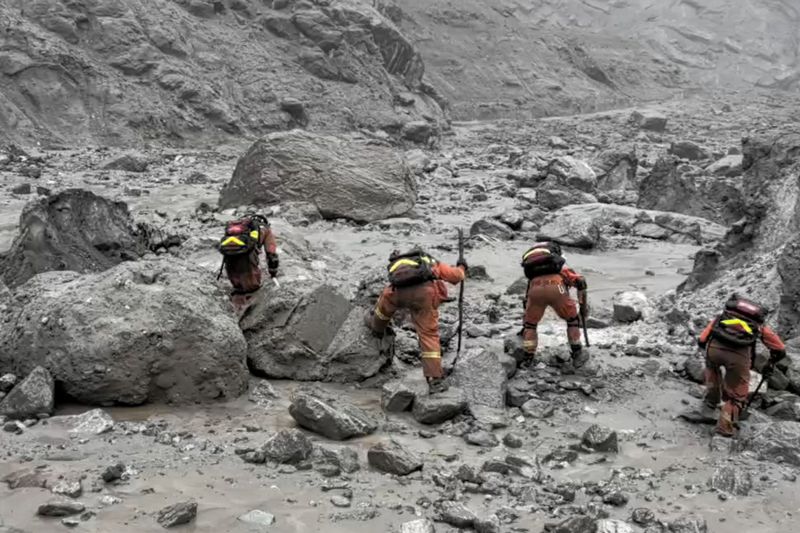
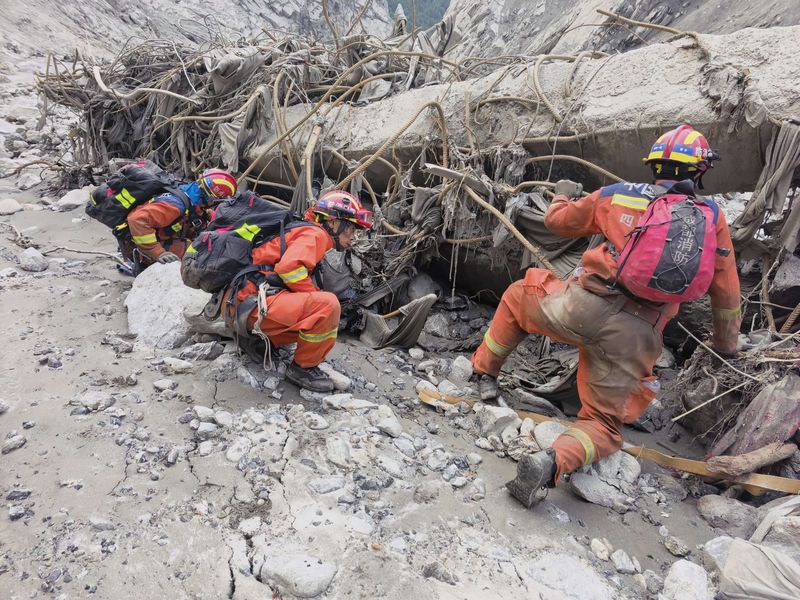
To search for nine missing South Korean workers, the government dispatched a 20-member joint rapid response team to Kathmandu in two stages, on August 27 and 29. However, search operations are facing major difficulties because local roads and bridges have been completely washed away, and helicopter flight approvals are being tightly restricted due to secondary flood warnings.
[email protected] Kim Kyung-soo Reporter